

$24.99 $0.83 per serving


Product analysis
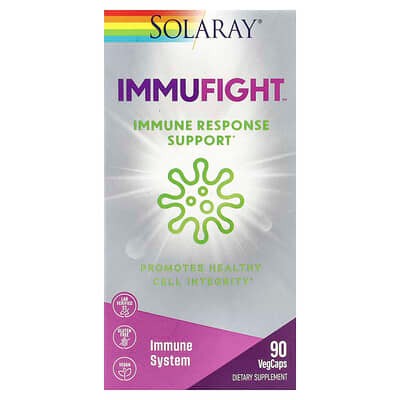
Immufight Immune Response Support combines vitamins and minerals that support normal immune function. Several components look costly for their declared amounts, weakening the value of the larger formula.
AI assessment of the formula, label and price. How scoring works
Nutrient Quality38
Most main nutrient forms are named, making parts of the formula easier to compare. Several botanical and other preparations remain unspecified, so a broad quality advantage is unclear.
Ingredient Transparency69
Amounts are stated across the formula, helping you check the serving. Some preparation details and a clear monolaurin breakdown are missing.
Value For Money32
Vitamin C, lysine and monolaurin look costly for their declared amounts. Value for the other components remains uncertain.
Customer Satisfaction80
Customers report high satisfaction across hundreds of ratings. Those reviews show buyer approval without establishing immune benefits.
Product Focus55
The main vitamins and minerals support normal immune and antioxidant functions. Extra benefits depend on nutritional need, and swallowed zinc does not share the evidence for zinc lozenges.
- Format
Capsule - Container
- 90 VegCap(s)
- Per serving
- $0.83
- Also available
 Immufight Ultimate Immune Support$27.99
- Customer rating
- 4.8 · 558 ratings
Goals

Impact
High effect
Vitamin C · 500 mgZinc · 8.3 mgVitamin D · 42 mcgMonolaurin · 100 mgSelenium · 37 mcgEuropean Elder · 100 mg
Vitamin C may modestly shorten colds with regular use, while zinc and vitamin D support normal immune-cell function and selenium contributes to normal immune nutrition. The 500 mg vitamin C serving is relevant to regular-supplement exposure, but it does not establish prevention or treatment of an existing cold. Zinc here is swallowed, so lozenge findings do not transfer. Selenium adds little expectation of benefit when status is already adequate.
How this product is rated for Immunity
Ingredient fit59
The formula contains several relevant immune nutrients alongside ingredients for broader nutritional goals.
Goal fit
Immune-related nutrients share this formula with ingredients aimed at other nutritional goals.
Dose adequacy
The declared amounts provide differing contributions per serving; the saved comparison does not establish optimal doses.
Pathways80
The saved findings emphasize lymphocyte function and immune regulation. Coverage also spans the listed immune areas to differing degrees.
Depth
The strongest recorded coverage is lymphocyte function and immune regulation.
Breadth
The main recorded areas are innate immune cell activity, lymphocyte function and immune regulation.
Evidence100
Vitamin C anchors the strongest counted evidence. Its practical contribution remains bounded by the supplied nutrient-function or regular-use evidence.
Evidence strength
Vitamin C provides the strongest counted evidence here, subject to its nutrient-function or regular-use limitations.
Studied preparation
The saved findings recognize the counted preparations; this does not establish superiority over other forms or proven infection prevention.
Formulation logic100
The counted ingredients have no missing required partner or configured conflict, and their amounts meet the saved minimum comparison.
Partner coverage
The counted ingredients do not require an additional missing partner for their assigned roles.
Conflicts
No configured ingredient conflict was identified in the supplied findings.
Effective doses
All 4 counted ingredients meet the saved minimum amount comparison; this is not proof of clinical effectiveness.

Impact
High effect
Vitamin D · 42 mcgVitamin C · 500 mg
Zinc can help address inflammation associated with low zinc intake; extra anti-inflammatory benefit is not established when intake is adequate. Vitamin C supports antioxidant defenses. The supplied trial was null overall, with lower CRP confined to people starting with elevated CRP, so routine anti-inflammatory benefit is uncertain. Vitamin D has a limited connection to inflammatory markers: a reduction in CRP appeared at two years in older adults but did not persist at four years, and other cytokines were unchanged. The small rose hip amount does not approach the preparation and exposure used in osteoarthritis pain trials.
How this product is rated for Inflammation
Ingredient fit52
Vitamin D, vitamin C, zinc and selenium provide the counted connection to this goal. Other active ingredients broaden the formula beyond this goal.
Goal fit
Relevant ingredients share the formula with several actives directed at other goals, reducing its focus.
Dose adequacy
The four counted nutrients receive partial amount recognition overall.
Pathways71
Inflammatory gene signalling is the strongest represented route in the saved findings. Two routes are substantially represented: inflammatory signalling and oxidative stress.
Depth
Inflammatory gene signalling is the strongest represented route in the saved findings.
Breadth
Two routes are substantially represented: inflammatory signalling and oxidative stress.
Evidence93
Vitamin D leads the saved evidence finding, although supplied clinical findings are transient and inconsistent.
Evidence strength
Vitamin D leads the saved evidence finding, although supplied clinical findings are transient and inconsistent.
Studied preparation
The ingredients counted at recognized amounts match preparations accepted by the saved calculation; this does not expand their clinical benefits.
Formulation logic100
The counted ingredients have no missing partner or matched conflict and meet the saved amount threshold.
Partner coverage
The counted ingredients work independently or have their required partner.
Conflicts
No ingredient conflict was identified in the supplied calculation.
Effective doses
All counted ingredients reach the saved amount threshold; this threshold does not prove a clinical benefit.

Impact
High effect
Vitamin D · 42 mcgSelenium · 37 mcgZinc · 8.3 mgVitamin C · 500 mg
Vitamin D contributes to bone and mineral functions, while vitamin C, zinc and selenium support normal immune or antioxidant functions when intake is low. Their amounts make varying nutritional contributions within the selected serving. Elderberry contributes little to the saved findings, and its acute-illness research does not establish routine prevention. These nutrient roles do not establish added benefits when intake is adequate.
How this product is rated for Everyday Health
Ingredient fit50
The selected serving provides a partial contribution against the saved amount references, with the recognized ingredients contributing to different degrees.
Goal fit
Relevant ingredients share the formula with additional actives whose general-health contributions are not established here.
Dose adequacy
The selected serving provides a partial contribution against the saved amount references, with the recognized ingredients contributing to different degrees.
Pathways75
The strongest represented area is antioxidant and immune defence, reflecting the recognized ingredients and their amounts.
Depth
The strongest represented area is antioxidant and immune defence, reflecting the recognized ingredients and their amounts.
Breadth
The more substantially represented areas are bone and mineral metabolism, antioxidant and immune defence.
Evidence82
Vitamin D provides the strongest recognized basis here; the supplied context still limits expectations for routine benefits in adequately nourished adults.
Evidence strength
Vitamin D provides the strongest recognized basis here; the supplied context still limits expectations for routine benefits in adequately nourished adults.
Studied preparation
The recognized preparations meet the saved check; this does not establish superiority of the named forms or broad clinical benefits.
Formulation logic100
None of the defined ingredient-conflict conditions was triggered by the supplied facts.
Partner coverage
The recognized ingredients can contribute independently or have their required partners present; no added combined benefit is established.
Conflicts
None of the defined ingredient-conflict conditions was triggered by the supplied facts.
Effective doses
All recognized ingredients meet the saved minimum amount threshold; this is not a proven clinical treatment threshold.

Impact
Moderate effect
Zinc · 8.3 mgVitamin C · 500 mgSelenium · 37 mcg
Vitamin C supports normal collagen formation, and zinc contributes to normal skin repair. Selenium supports antioxidant enzymes; the small lysine amount and its role as a collagen building block give limited grounds for expecting an added cosmetic benefit.
How this product is rated for Skin Health
Ingredient fit52
The blend serves broader goals, with only part of its ingredients directly contributing to the saved skin findings. The counted amounts provide partial support against the saved targets.
Goal fit
The blend serves broader goals, with only part of its ingredients directly contributing to the saved skin findings.
Dose adequacy
The counted amounts provide partial support against the saved targets.
Pathways8
The strongest saved coverage concerns antioxidant defence.
Depth
The strongest saved coverage concerns antioxidant defence.
Breadth
No area reaches the saved threshold for broad coverage.
Evidence100
Vitamin C provides the strongest evidence contribution among the counted ingredients. Nutritional necessity should be distinguished from an extra cosmetic benefit.
Evidence strength
Vitamin C provides the strongest evidence contribution among the counted ingredients. Nutritional necessity should be distinguished from an extra cosmetic benefit.
Studied preparation
The saved findings recognize the counted effective preparations as matching the evidence.
Formulation logic100
The counted ingredients meet the saved minimum amounts and have no listed conflict.
Partner coverage
The counted ingredients can contribute independently or have the required partner.
Conflicts
The saved check identified no listed ingredient conflict; this is not a general safety assessment.
Effective doses
3 of 3 counted ingredients meet the saved minimum amount threshold.

Impact
Moderate effect
Zinc · 8.3 mgVitamin C · 500 mg
Zinc's vision-related benefit concerns a defined combination used for selected people with age-related macular degeneration, a condition affecting central vision. Taking zinc by itself doesn't show that your vision will improve or that it will prevent the condition. The amount in a serving doesn't tell you whether that complete regimen is appropriate for you.
How this product is rated for Eye Health
Ingredient fit55
Zinc's vision-related benefit concerns a defined combination for selected people with age-related macular degeneration.
Goal fit
Zinc's vision-related benefit concerns a defined combination for selected people with age-related macular degeneration.
Dose adequacy
The serving supplies 8.3 mg of zinc; that amount alone doesn't predict improved vision.
Pathways52
The ingredient connection with eye function does not mean standalone supplementation improves everyday vision.
Depth
The ingredient connection with eye function does not mean standalone supplementation improves everyday vision.
Breadth
The mixture does not demonstrate broad improvements across several aspects of everyday vision.
Evidence70
Zinc's vision-related benefit concerns a defined combination for selected people with age-related macular degeneration. The result depends on the ingredient and the circumstances of use.
Evidence strength
Zinc's vision-related benefit concerns a defined combination for selected people with age-related macular degeneration.
Studied preparation
The declared nutrient form identifies the ingredient, without guaranteeing the benefits of a complete disease-specific combination.
Formulation logic100
The individual ingredients have no identified missing partner or particular conflict.
Partner coverage
No required ingredient partner is missing for the individual contribution described here.
Conflicts
No particular ingredient conflict is identified here.
Effective doses
The serving supplies 8.3 mg of zinc; that amount alone doesn't predict improved vision.

Impact
High effect
Vitamin D · 42 mcgLysine · 167 mgZinc · 8.3 mgVitamin C · 500 mg
Vitamin D helps calcium absorption, while vitamin C supports bone collagen when intake is inadequate. Zinc has a normal bone-forming role without established extra adult bone-density or fracture benefits. The declared amounts give a mixed exposure against the saved benchmarks, and vitamin D lacks its saved calcium partner. Lysine's calcium-handling and collagen roles do not establish an independent skeletal benefit.
How this product is rated for Bone Health
Ingredient fit55
Bone-related nutrients sit within a broader formula with ingredients aimed at other goals. The counted amounts provide partial exposure overall against the saved comparison benchmarks.
Goal fit
Bone-related nutrients sit within a broader formula with ingredients aimed at other goals.
Dose adequacy
The counted amounts provide partial exposure overall against the saved comparison benchmarks.
Pathways55
The strongest saved finding concerns calcium absorption and regulation. The saved support is concentrated in one pathway.
Depth
The strongest saved finding concerns calcium absorption and regulation.
Breadth
The saved support is concentrated in one pathway.
Evidence98
Zinc leads the saved evidence finding, but its essential bone-forming role does not establish extra bone-density or fracture benefits in adequately nourished adults.
Evidence strength
Zinc leads the saved evidence finding, but its essential bone-forming role does not establish extra bone-density or fracture benefits in adequately nourished adults.
Studied preparation
The saved finding accepts the counted preparations at qualifying amounts; it does not establish a trial of the whole product.
Formulation logic95
Vitamin D lacks the required calcium support in the saved finding, reducing its partner coverage. No configured conflict was triggered. All counted ingredients meet the saved amount threshold; that threshold does not establish clinical effectiveness.
Partner coverage
Vitamin D lacks the required calcium support in the saved finding, reducing its partner coverage.
Conflicts
No configured ingredient conflict was triggered by the supplied facts.
Effective doses
All counted ingredients meet the saved amount threshold; that threshold does not establish clinical effectiveness.
Ingredients
| Ingredient | Amount per serving | Score |
|---|---|---|
Total Carbohydrates | 1 Gram(s) | |
Vitamin C (Calcium Strontium Ascorbate) | 500 mg | |
Vitamin D (Cholecalciferol) | 42 mcg | |
Zinc (Zinc Citrate) | 8.3 mg | |
Selenium (L-Selenomethionine) | 37 mcg | |
L-Lysine (L-Lysine Hydrochloride) | 167 mg | |
Black Elderberry berry extract (Polyphenols) | 100 mg | |
Monolaurin (Coconut, Glycerol Monolaurate) | 100 mg | |
Olive leaf extract (Oleuropein) | 100 mg | |
Berberine HCl (Indian Barberry root extract) | 100 mg | |
Grapefruit seed extract | 100 mg | |
Acacia Gum | 66 mg | |
Bioflavonoids Concentrate (Citrus) | 10 mg | |
Bacillus coagulans | 7.5 mg | |
Acerola Cherry juice powder | 3.4 mg | |
Rose Hips | 3.4 mg |
Vitamin C (Calcium Strontium Ascorbate) · 500 mg OverallScore70
Each serving provides 500 mg of vitamin C as calcium strontium ascorbate, a buffered mineral form. The whole-product price works out to about $1.67 per gram of vitamin C.
How this ingredient is rated
Active Ingredient Quality & Bioavailability83
The vitamin C is calcium strontium ascorbate, a buffered mineral form.
Vitamin C Chemical Form & Delivery System
The vitamin C is supplied as calcium strontium ascorbate.
Gastric Comfort & pH Balance
The vitamin C uses buffered mineral ascorbate.
Dose, Safety & Label Transparency83
500 mg of vitamin C per serving is listed. The evaluation does not establish complete qualifying mineral disclosure.
Optimal Dosage Targeting
A serving provides 500 mg of vitamin C.
Purity & Excipient Quality
No evaluated sweeteners or artificial colors were flagged in the available ingredient information.
Mineral & Source Transparency
The vitamin C amount and source form are stated, but the evaluation does not establish complete qualifying mineral disclosure for the source.
Value20
The whole-product price works out to about $1.67 per gram of vitamin C.
Price per Gram of Vitamin C
The whole-product price works out to about $1.67 per gram of vitamin C.
Monolaurin (Coconut, Glycerol Monolaurate) · 100 mg OverallScore62
Each serving provides 100 mg of monolaurin. The whole-product price works out to about $8.33 per gram of monolaurin, a relatively high cost for that amount.
How this ingredient is rated
Active Ingredient Quality & Bioavailability100
The monolaurin is identified as a specific monoester form, with coconut identified as its source.
Chemical Form Specificity
The available information identifies a specific monolaurin monoester form.
Source Material Quality
The monolaurin is identified as coconut-derived.
Dose, Safety & Label Transparency50
Each serving discloses 100 mg of monolaurin, so its individual amount is clear.
Monolaurin Potency per Serving
A serving supplies 100 mg of monolaurin.
Label Transparency & Blend Disclosure
The individual monolaurin amount is disclosed as 100 mg per serving.
Value10
The whole-product price works out to about $8.33 per gram of monolaurin.
Price per Gram of Monolaurin
The whole-product price works out to about $8.33 per gram of monolaurin.
European Elder (Polyphenols) · 100 mg OverallScore85
The serving contains 100 mg of black Elderberry Berry Extract. The plant part is named, while the scientific species is not identified in the saved facts.
How this ingredient is rated
Composition and Label Disclosure70
The source names the plant part in black Elderberry Berry Extract, but the scientific species is not established.
Botanical Identity Detail
The preparation is identified as black Elderberry Berry Extract; its scientific species is not specified in the saved facts.
Composition and Label Disclosure100
The preparation amount is stated as 100 mg per serving.
Actual Preparation Amount Disclosure
The stated preparation amount is 100 mg of black Elderberry Berry Extract per serving.
Commercial Price and Usability
Price is not evaluated for this ingredient.
Alternative products
Report alternatives
Sources
Published studies used for the product analysis and the top-ranked studies for each ingredient and goal.
- Amino Acid Intakes Are Associated With Bone Mineral Density and Prevalence of Low Bone Mass in Women: Evidence From Discordant Monozygotic Twins.
- Dietary L-lysine and calcium metabolism in humans.
- Can Dietary Intake of Vitamin C-Oriented Foods Reduce the Risk of Osteoporosis, Fracture, and BMD Loss? Systematic Review With Meta-Analyses of Recent Studies.
- Dietary vitamin C intake and the risk of hip fracture: a dose-response meta-analysis.
- Smoking, antioxidant vitamins, and the risk of hip fracture.
- Micronutrients and the risk of hip fracture: Case-control study.
- Favorable effect of dietary vitamin C on bone mineral density in postmenopausal women (KNHANES IV, 2009): discrepancies regarding skeletal sites, age, and vitamin D status.
- Pregnancy vitamin D supplementation and offspring bone mineral density in childhood follow-up of a randomized controlled trial.
- Vitamin D analogs and bone: preclinical and clinical studies with eldecalcitol.
- Efficacy of vitamin D fortified foods on bone mineral density and serum bone biomarkers: A systematic review and meta-analysis of interventional studies.
- Cholecalciferol Supplementation Attenuates Bone Loss in Incident Kidney Transplant Recipients: A Prespecified Secondary Endpoint Analysis of a Randomized Controlled Trial.
- Vitamin D supplementation and bone health in post-menopausal women: a 24-month randomized controlled intervention with enhanced bioavailability formulations.
- Increased incidence of fractures in middle-aged and elderly men with low intakes of phosphorus and zinc.
- Zinc Supplementation Increases Procollagen Type 1 Amino-Terminal Propeptide in Premenarcheal Girls: A Randomized Controlled Trial.
- Randomized controlled trial of prenatal zinc supplementation and fetal bone growth.
- The effects of zinc supplementation on serum zinc, alkaline phosphatase activity and fracture healing of bones.
- Is Zinc an Important Trace Element on Bone-Related Diseases and Complications? A Meta-analysis and Systematic Review from Serum Level, Dietary Intake, and Supplementation Aspects.
- Elderberry Supplementation Reduces Cold Duration and Symptoms in Air-Travellers: A Randomized, Double-Blind Placebo-Controlled Clinical Trial.
- COVID-19: Is There Evidence for the Use of Herbal Medicines as Adjuvant Symptomatic Therapy?
- Associations of selenium status with all-cause and cause-specific mortality: a systematic review and meta-analysis of cohort studies.