
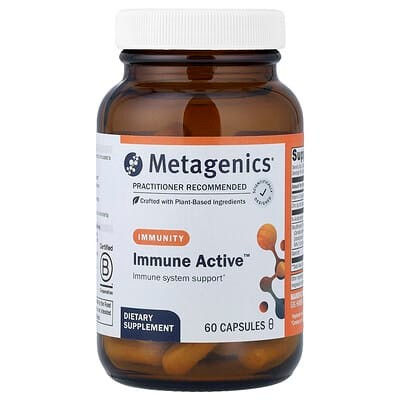


About this product
Zinc and vitamin C supply the clearest nutritional rationale. Zinc at 30 mg uses a favorable glycinate source, while vitamin C at 200 mg contributes to normal immune and collagen functions. These roles are most relevant when intake falls short and do not establish added immune protection with adequate nutrition.
The green tea details are more informative than extract weight alone. Ingredient-specific information identifies 375 mg decaffeinated extract with 150 mg EGCG and 60% catechins, though a caffeine amount is not stated. Those markers improve comparison but do not establish slower aging, better cognition or visible skin improvement.
N-acetylcysteine at 600 mg and quercetin at 250 mg broaden the mixture without an established added benefit from the combination in the supplied findings. Their preparation details are limited, and the serving cost is relatively high for zinc and green tea. Copper content is also unestablished, which leaves mineral balance uncertain during ongoing zinc use.
Pros
Zinc glycinate is a favorable source for absorption. Green tea EGCG and catechin content are identified in the ingredient details. Individual active amounts are disclosed.
Cons
Relatively high serving cost for zinc and green tea. NAC and quercetin preparation details are limited. The mixture does not establish added cognitive or longevity benefits. Copper content and the precise caffeine amount are not established.
Warnings
The 30 mg zinc serving needs to be counted with food and other supplements because total intake can exceed the adult 40 mg daily upper limit.





