

About this product
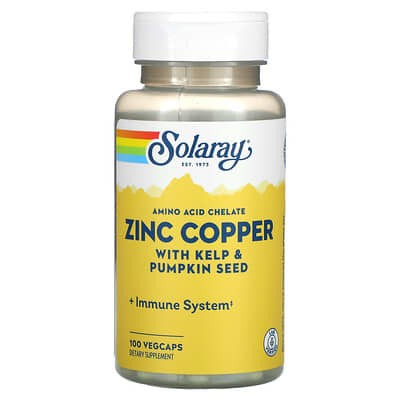
The main advantage is combining zinc with copper rather than supplying high-dose zinc alone. Copper supports normal immune function and helps build the collagen framework in skin and bone, while the kelp-derived iodine contributes to thyroid nutrition when intake is low. The 50 mg zinc serving still exceeds the adult daily upper limit of 40 mg, even with 2 mg of copper included.
The mineral amounts are clearly disclosed and the low serving cost offers useful value for someone who needs this combination. Zinc and copper are described as amino acid chelates without naming their specific amino acids, so a special absorption advantage is not established. Detail about the kelp preparation is limited, and pumpkin seed appears in the title without a quantified entry in the supplied ingredient list.
The wider list of suggested uses should be read as nutritional support rather than added benefits from larger amounts. Zinc's hair, skin and testosterone relevance is mainly tied to low intake, and copper's role in connective tissue does not establish extra cosmetic or bone-density benefit in adequately nourished adults. The combination also does not establish routine vision improvement or replace a complete eye-health regimen.
Pros
Includes a disclosed copper amount alongside zinc Clearly quantifies the three listed minerals Provides iodine for low dietary intake Low serving cost for the mineral combination
Cons
Specific amino acids in the zinc and copper chelates are not named Kelp preparation quality remains uncertain Pumpkin seed is named in the title but is not quantified in the supplied ingredient list Normal nutrient roles do not establish extra hormone, hair, skin, bone or vision benefits
Warnings
The 50 mg zinc serving exceeds the adult daily upper limit of 40 mg; included copper does not make that zinc amount suitable for unrestricted daily use. Account for zinc from other supplements before using this already high serving, and seek advice on the intended duration.