


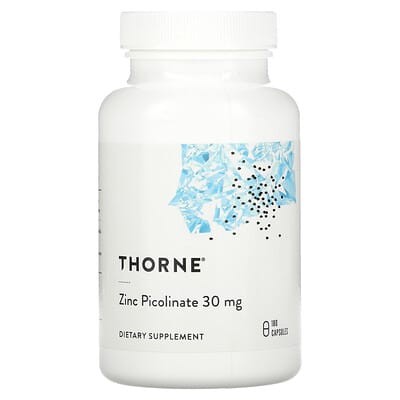

Zinc Supportive
About this product
The clearest use is correcting an identified zinc intake gap. Zinc supports normal immune function and skin repair, with hair and testosterone relevance mainly when zinc intake is inadequate. Extra intake does not establish additional benefits in people whose needs are already met.
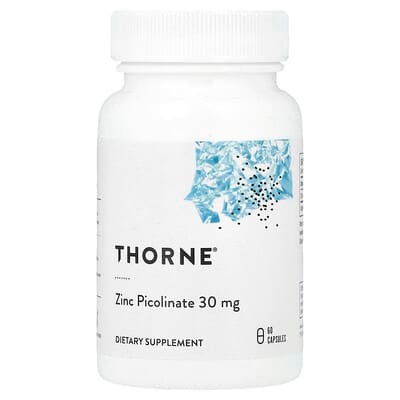
The 30 mg amount and picolinate source are clearly disclosed, making the serving easy to compare. The named form is favorable in the ingredient assessment, but it does not establish better clinical outcomes than other zinc forms. Copper is not quantified, so the balance between these minerals remains uncertain.
The serving cost is moderate for a dedicated zinc supplement. Value depends on needing zinc itself, since the broader hair, hormone and eye associations do not establish routine improvements. A standalone zinc serving also cannot inherit the results of a defined eye-nutrient combination.
Pros
The zinc source and elemental amount are clearly stated. The ingredient assessment favors the named picolinate form. The single active keeps nutritional matching simple.
Cons
Copper content is not quantified. Picolinate does not establish superior hair, skin or hormone outcomes. The moderate serving cost matters when basic zinc replacement is the goal. Standalone vision improvement is unestablished.