
Nutrient quality
A substantial green tea extract amount provides focused botanical support. Core actives have meaningful depth.
 Pure Formulas Pure Formulas | $ 12.36 | |
 iHerb iHerb | $ 13.40 | |
 Vitacost Vitacost | $ 12.25 | |
 Amazon Amazon | $ 11.99 |
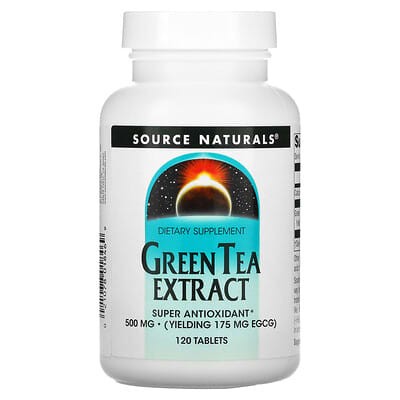
The tablet provides 500 mg green-tea leaf extract as its only meaningful botanical active. That looks substantial by weight and keeps the formula simple.
No EGCG, catechin, polyphenol, or caffeine amount is supplied. Extract weight alone cannot establish antioxidant or metabolic potency, and users cannot plan stimulant exposure.
A long supply and low serving cost are practical strengths. Concentrated green-tea extracts may cause nausea and rarely liver injury, so the missing active-yield and use details matter.
A substantial green tea extract amount provides focused botanical support. Core actives have meaningful depth.
Active ingredients have stated amounts without a proprietary blend. Important standardization, activity, or form details remain missing.
The aggregate rating is mixed and is supported by substantial review volume. No specific comments are supplied, so repeated complaints and purpose alignment cannot be confirmed directly.
Value is favorable for the effective doses and ingredient forms. A focused active profile supports the asking price.

Green tea extract has human evidence for modest effects on thermogenesis and fat oxidation, especially when catechins are paired with caffeine. The 500 mg extract amount is substantial, but EGCG percentage and caffeine content are not supplied.
The single-botanical formula is focused and avoids unrelated ingredients. Missing active-standardization details prevent a reliable estimate of metabolic strength.

Green tea extract may support inflammatory balance through polyphenol antioxidant and cytokine-modulating actions. The large extract weight appears promising, but active EGCG content cannot be determined.
Missing EGCG standardization and caffeine disclosure make effectiveness and tolerance harder to judge.

Green tea extract provides antioxidant compounds with plausible relevance to environmental skin stress. The 500 mg extract amount appears substantial, but missing catechin and EGCG standardization makes the active dose uncertain.
The focused formula avoids unrelated actives and clearly states the total extract amount. It does not provide collagen, hydration, barrier-lipid, or a second clearly supported skin pathway.

Green tea extract has plausible antioxidant and metabolic relevance to healthy aging. The label does not disclose EGCG or total polyphenols, so the strength of those pathways cannot be determined.
The 500 mg extract weight looks substantial but does not reveal the active catechin dose, caffeine content, or absorption quality. Because both EGCG and caffeine are unknown, users cannot gauge stimulant exposure or the liver-related risk associated with concentrated green tea extracts.
| Ingredient | Amount per serving |
|---|---|
Calcium | 47 mg |
Green Tea Leaf Extract | 500 mg |
The large green tea extract dose looks economical but lacks active-marker standardization. No EGCG amount, absorption technology, or caffeine status is disclosed. The low serving cost cannot confirm value without a measurable active dose.
Published studies used for the product analysis and the top-ranked studies for each ingredient and goal.