
Nutrient quality
Decaffeinated extract and named EGCG provide strong form and stimulant clarity. The active amount is substantial but remains below the higher-risk range when used with food.
.
 iHerb iHerb | $ 20.00 | |
 Vitacost Vitacost | $ 20.00 | |
 Amazon Amazon | $ 17.00 | |
 Pure Formulas Pure Formulas | $ 20.00 |
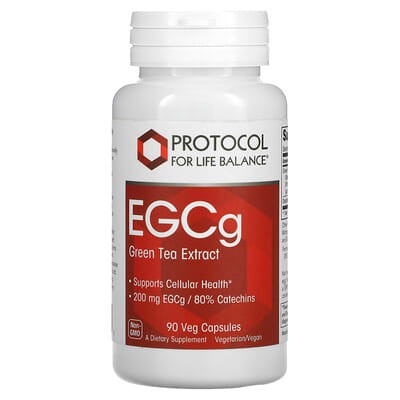
The label identifies a 400 mg green tea extract with catechins and EGCG, plus a 50 mg decaffeinated green tea component. The stated active amount makes dose comparison much easier than with unstandardized products.
Decaffeinated positioning supports low stimulant exposure and the one-capsule serving is practical. No phospholipid or other enhanced-delivery system is included.
It fits experienced adults seeking a high, clearly quantified EGCG serving. People new to green tea extracts may prefer a lower amount to assess tolerance.
Decaffeinated extract and named EGCG provide strong form and stimulant clarity. The active amount is substantial but remains below the higher-risk range when used with food.
.Green-tea, catechin, EGCG, and decaffeinated status are all stated. Repeated full-amount entries may overlap, while directions and capsule ingredients are missing.
.The supplied aggregate rating indicates strong customer satisfaction. Specific comments are unavailable, so complaint patterns and intended-use fit cannot be verified.
.Strong active disclosure and a modest serving cost create excellent value. Basic capsule delivery is the only notable trade-off.
.
Decaffeinated green tea extract provides a clearly disclosed 400 mg EGCG amount for antioxidant and metabolic support. Human evidence supports selected cardiovascular and metabolic markers, but not a broad claim of slower aging.
The capsule lacks specialized absorption technology, yet active-marker and stimulant disclosure are strong. Concentrated EGCG may irritate the stomach and has a greater liver-injury concern when taken fasting, so taking it with food is the safer practical choice.

Green-tea catechins and EGCG directly target oxidative and inflammatory signaling.
The 400 mg extract amount is substantial and the label associates it with catechins and EGCG. Species and active descriptors are provided, but repeated 400 mg entries make the exact EGCG share unclear. Concentrated green-tea extract can cause nausea and has been linked to liver injury in susceptible users, especially when taken on an empty stomach.

Green tea catechins provide antioxidant and inflammation-balancing support that may help protect skin from environmental stress. The substantial extract amount and explicit EGCG identification make the active contribution easy to assess.
Evidence supports modest help with photoprotection and skin condition, but oral green tea is not a complete skin formula. Concentrated green tea extract can rarely harm the liver, with risk more concerning when high-EGCG servings are taken while fasting.

Decaffeinated EGCG may support fat oxidation and metabolic signaling. Removing caffeine improves stimulant tolerance but weakens the most established thermogenic combination.
The EGCG amount is substantial and clearly disclosed. High-dose green tea extract may cause nausea and, rarely, liver injury, especially when taken fasting.

A concentrated decaffeinated green-tea extract supports antioxidant protection but offers limited immediate focus support without theanine or caffeine. Human cognitive evidence for isolated EGCG is less consistent than evidence for established memory or attention ingredients.
The disclosed 400 mg EGCG amount is substantial and falls within the preferred active range. EGCG and decaffeination are clearly identified, but no absorption-enhancing delivery is disclosed. The 400 mg EGCG amount may increase liver-stress risk when taken while fasting or by people with existing liver concerns.
| Ingredient | Amount per serving |
|---|---|
Green Tea Leaf Extract (Camellia sinensis, Catechins, Epigallocatechin Gallate) | 400 mg |
Green Tea, Decaffeinated | 50 mg |
The decaffeinated extract clearly identifies a substantial 400 mg EGCG amount within the preferred range. A standard capsule lacks enhanced absorption technology, but stimulant exposure is well controlled. Cost efficiency is excellent for the disclosed active dose.
Published studies used for the product analysis and the top-ranked studies for each ingredient and goal.