
Nutrient quality
A basic mushroom powder lacks extract concentration, fruiting-body source, and beta-glucan standardization. The mushroom ingredient is supplied at a practical amount, though potency depends on extract quality.
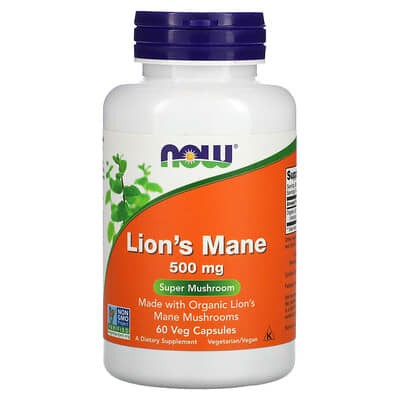
 Pure Formulas Pure Formulas | $ 15.46 | |
 Vitacost Vitacost | $ 16.39 | |
 Daily Vita Daily Vita | $ 15.10 | |
| Daily Vita | $ 19.10 | |
 Walmart Walmart | $ 16.15 | |
 iHerb iHerb | $ 15.91 | |
| Daily Vita | $ 12.20 | |
 Amazon Amazon | $ 15.88 |
The daily serving supplies a substantial amount of lion's mane powder without unrelated ingredients. Low serving cost makes it accessible for routine use.
Plain powder is not concentrated and the mushroom part is not identified. Missing beta-glucan and substrate details make the active quality uncertain.
The product fits value-focused users who accept basic mushroom material. A standardized fruiting-body extract is a better choice for potency-focused shoppers.
A basic mushroom powder lacks extract concentration, fruiting-body source, and beta-glucan standardization. The mushroom ingredient is supplied at a practical amount, though potency depends on extract quality.
A specific mushroom amount is supplied. No proprietary blend hides the active quantity.
The supplied aggregate rating metric is very favorable, though it gives no specific experience details. The large response count makes the aggregate metric comparatively stable.
Formula quality compares well with the cost. The serving cost is exceptionally low for the disclosed mushroom amount.

Lion's mane is directly relevant to cognitive and nerve-support goals. The single mushroom provides a focused neurotrophic pathway rather than broad neurotransmitter or membrane support.
The daily amount is substantial, but plain powder lacks extraction, fruiting-body, and beta-glucan details. Limited sourcing information makes active-compound quality harder to judge despite the streamlined formula.

Lion's mane has a plausible nerve-growth pathway and some human evidence for memory, especially in people with mild cognitive difficulties. The plain powder label does not identify fruiting body, mycelium, extraction, or beta-glucans, leaving active quality uncertain.
The full serving supplies a substantial total mushroom amount in a focused formula. Lack of source and extraction detail makes that weight less informative than a standardized fruiting-body extract.

Lion's mane may support long-term nerve health and mental clarity, but it is not an immediate productivity stimulant. Human evidence is promising yet still less established than for caffeine-theanine or standardized Bacopa.
The 1000 mg mushroom powder amount is clear, but no fruiting-body source, extract ratio, or active beta-glucan marker is provided. The single-ingredient design is focused but covers only long-term neuro-support.

Lion’s mane may support longer-term cognitive function, but it is not a reliable acute focus aid. The daily amount is substantial for plain mushroom powder.
The label does not identify fruiting body versus mycelium, extraction, or beta-glucan content. Those omissions make active-compound quality uncertain, and the single ingredient covers no alertness or stress-resilience pathway.
| Ingredient | Amount per serving |
|---|---|
Lions Mane Mushroom, Powder | 1000 mg |
The full daily serving supplies 1,000 mg of lion's mane, providing a substantial amount for the collection goal. The label identifies plain mushroom powder but does not state the mushroom part, extraction, beta-glucan level, or absence of grain and fillers, so active-compound quality remains uncertain. Its low serving cost supports strong value, although the limited sourcing and processing detail makes effectiveness harder to judge.
Published studies used for the product analysis and the top-ranked studies for each ingredient and goal.