
Nutrient quality
Beta-glucan identification provides a meaningful mushroom extract quality marker. The mushroom extract is supplied at a substantial, potentially meaningful amount.
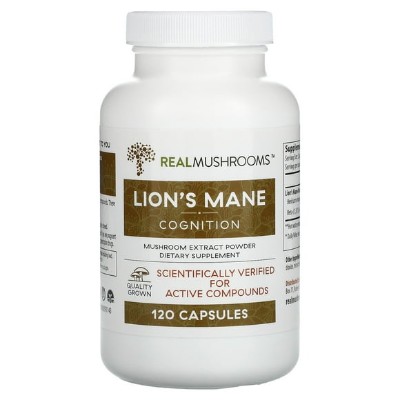
 Walmart Walmart | $ 37.75 | |
 Pure Formulas Pure Formulas | $ 34.95 |
The capsule supplies a substantial lion's mane extract amount and identifies beta-(1,3)(1,6)-glucans. That active-family detail is stronger than a plain uncharacterized powder label.
The percentage of beta-glucans is not stated, and the mushroom part and extraction process remain unknown. Substrate disclosure is also absent.
The serving amount and value support sustained use for gradual cognitive goals. Users should not expect a stimulant-like same-day effect.
Beta-glucan identification provides a meaningful mushroom extract quality marker. The mushroom extract is supplied at a substantial, potentially meaningful amount.
A specific extract amount is supplied. No proprietary blend hides the active quantity.
The supplied aggregate rating metric is very favorable, though it gives no specific experience details. The substantial response count gives the aggregate metric a dependable base.
Formula quality compares well with the cost. The serving cost is reasonable for the disclosed mushroom amount.

Lion's mane extract at 1,000 mg is directly relevant to neurotrophic and cognitive support. Human evidence is promising but still limited compared with established structural nutrients or well-studied memory extracts.
Beta-glucan standardization adds useful extract transparency. The focused formula gives one neurotrophic pathway useful depth without broader membrane, neurotransmitter, or energy support.

Lion's mane extract may support neuronal growth signaling and longer-term cognitive resilience. The 1000 mg serving is meaningful, but human evidence remains developing rather than conclusive.
The extract label references beta-glucans yet omits their percentage, mushroom part, extraction method, and substrate. Those gaps make it difficult to compare active quality despite the focused dose.

Lion's mane extract may support cognitive clarity and nerve-related signaling, but human evidence for acute attention is still limited. The 1,000 mg amount is substantial, so the main uncertainty is ingredient quality rather than quantity.
The label omits the mushroom part, extraction method, beta-glucan percentage, and substrate details. The focused single-ingredient design avoids padding but cannot confirm the compounds most relevant to cognitive effects.

Lion’s mane extract may support longer-term cognitive health and mental clarity. The full daily amount is substantial and the ingredient is clearly quantified.
The mushroom part, extraction method, and beta-glucan percentage are not stated, leaving active quality uncertain. The narrow formula supports one indirect pathway without acute alertness or stress-resilience ingredients.
| Ingredient | Amount per serving |
|---|---|
Lion's Mane Extract (Beta-(1,3)(1,6)-Glucans) | 1000 mg |
The full daily amount is well aligned with common high-potency use, and the extract format may improve access to useful compounds compared with raw powder. Key sourcing and processing details are missing, including mushroom part, extraction method, beta-glucan percentage, and substrate disclosure. The serving cost is favorable within this collection, but the incomplete label evidence limits confidence in active quality.
Published studies used for the product analysis and the top-ranked studies for each ingredient and goal.