
Nutrient quality
A basic mushroom powder lacks extract concentration, fruiting-body source, and beta-glucan standardization. The mushroom amount may contribute, but missing concentration details limit confidence in potency.
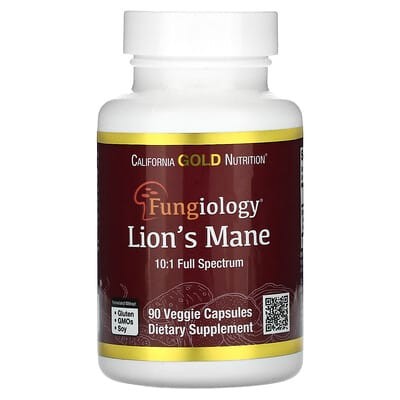
 Amazon Amazon | $ 14.04 | |
 iHerb iHerb | $ 13.47 |
A single-species lion's mane formula provides a moderate listed amount without unrelated ingredients. Its long supply makes regular use inexpensive.
The same amount appears four times, creating a major label-data ambiguity. No fruiting-body, extraction, substrate, or active-marker information resolves the uncertainty.
Low cost is the main advantage, but poor presentation and quality detail matter for cognitive products. A clearer standardized extract is easier to evaluate.
A basic mushroom powder lacks extract concentration, fruiting-body source, and beta-glucan standardization. The mushroom amount may contribute, but missing concentration details limit confidence in potency.
A specific mushroom amount is supplied. No proprietary blend hides the active quantity.
The supplied aggregate rating metric is very favorable, though it gives no specific experience details. The large response count makes the aggregate metric comparatively stable.
Formula quality compares well with the cost. The serving cost is exceptionally low for the disclosed mushroom amount.

Lion’s mane may support longer-term cognitive health, but it is not a strong acute focus aid. The serving reaches a moderate mushroom amount.
Confidence is limited because the mushroom part, extraction method, and beta-glucan level are not stated. The narrow single-ingredient formula is clean but covers only one indirect pathway.

Lion's mane has an emerging rationale for neurotrophic support and cognitive resilience. The evidence base is promising but still limited compared with established nutrients or standardized nootropics.
A 600 mg amount is listed repeatedly, making the true serving presentation unclear. Missing mushroom part, extraction method, beta-glucan level, and erinacine data prevent a reliable potency assessment.

Lion's mane has an emerging rationale for neurotrophic support and cognitive resilience. The evidence base is promising but still limited compared with established nutrients or standardized nootropics.
A 600 mg amount is listed repeatedly, making the true serving presentation unclear. Missing mushroom part, extraction method, beta-glucan level, and erinacine data prevent a reliable potency assessment.

Lion's mane may support long-term cognitive resilience, but it is not a dependable acute focus aid. Human evidence remains preliminary and is more relevant to memory or cognitive health than immediate attention.
The supplied label repeats the same 600 mg entry and does not identify fruiting body, extract ratio, or beta-glucan content. Those disclosure gaps prevent confidence that the active mushroom material reaches a research-relevant amount.
| Ingredient | Amount per serving |
|---|---|
Lion's Mane (Hericium erinaceus) | 600 mg |
The serving provides a moderate amount of lion’s mane at a very low serving cost. However, the label does not identify the mushroom part, extraction method, or beta-glucan level, so active-compound quality remains uncertain. The exact mushroom amount is clear, but grain and filler disclosure is incomplete.
Published studies used for the product analysis and the top-ranked studies for each ingredient and goal.