
Nutrient quality
Potassium and chloride reach substantial amounts and magnesium uses a well-regarded chelate. Low sodium creates an uneven rehydration profile and the potassium amount requires careful user selection.
.
 Vitacost Vitacost | $ 49.97 | |
 iHerb iHerb | $ 49.97 | |
| iHerb | $ 49.97 | |
 Pure Formulas Pure Formulas | $ 49.97 | |
| Vitacost | $ 49.97 |
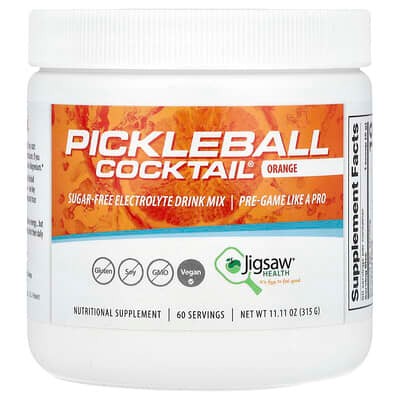
The formula supplies 800 mg potassium, 900 mg chloride, and 50 mg chelated magnesium. Those amounts create a potassium-heavy electrolyte profile that can complement low-potassium diets or specific hydration plans.
Only 90 mg sodium is included, so the balance is not ideal for replacing heavy sweat losses. The magnesium form is clearly identified, and the short ingredient list makes the mineral contribution easy to assess.
The product fits people who deliberately want more potassium rather than a conventional sports drink. Kidney function and medication use matter because this amount can add significantly to daily potassium intake.
Potassium and chloride reach substantial amounts and magnesium uses a well-regarded chelate. Low sodium creates an uneven rehydration profile and the potassium amount requires careful user selection.
.Every listed electrolyte has a specific amount and no proprietary blend is present. Directions and inactive flavoring or delivery ingredients remain missing, while chloride is listed through overlapping salt sources.
.The aggregate rating indicates strong customer satisfaction. The smaller feedback base and missing review details limit interpretation.
.Substantial potassium and a premium magnesium form support reasonable specialty value. The higher serving cost and uneven sodium balance limit broad competitiveness.
.
Potassium and magnesium support electrical function, muscle activity, and fluid balance, giving the electrolyte formula some cardiovascular relevance. The 800 mg potassium amount is substantial, while the 50 mg magnesium amount is too modest for broader heart support.
Potassium chloride is effective for replacement but lacks the buffering qualities of citrate or bicarbonate. People with impaired kidney function or those using ACE inhibitors, ARBs, or potassium-sparing diuretics should avoid adding this high potassium serving without medical guidance because blood potassium can rise too far.
| Ingredient | Amount per serving |
|---|---|
Calories | 10 Calorie(s) |
Total Carbohydrate | 1 Gram(s) |
Sodium | 90 mg |
Potassium (Potassium Chloride) | 800 mg |
Magnesium (Magnesium Lysinate Glycinate Chelate) | 50 mg |
Chloride (Potassium Chloride, Sodium Chloride) | 900 mg |
The substantial chloride amount and soluble mineral salts are well suited to significant electrolyte replacement. A dissolvable scoop should make the chloride readily available, and the label clearly names potassium chloride and sodium chloride as sources. Value is only moderate, and the potassium content may be unsuitable for people with impaired kidney function or those using potassium-sparing diuretics, ACE inhibitors, or ARBs.
The high potassium amount supports substantial electrolyte replacement, and the serving cost is favorable for that dose. Potassium chloride is effective for electrolytes but lacks the added buffering role of citrate or bicarbonate. People with impaired kidney function or those using ACE inhibitors or potassium-sparing diuretics should avoid an unexpectedly high potassium intake because it can raise blood potassium too far.
Published studies used for the product analysis and the top-ranked studies for each ingredient and goal.