
Nutrient quality
The ingredient identity is clear but no active-marker standardization is supplied. The amount may contribute, though effective catechin exposure cannot be verified.
.
 Pure Formulas Pure Formulas | $ 8.35 | |
 iHerb iHerb | $ 5.35 |
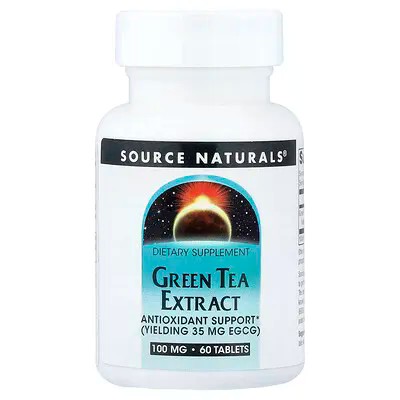
The supplied ingredient data list 200 mg of green tea leaf extract despite a 100 mg figure in the title. That discrepancy should be resolved from the current package label.
No EGCG, catechin percentage, or caffeine amount is provided. Two tablets appear to make a full serving, and no absorption aid is listed.
It may suit users who want a basic unstandardized extract and can verify the dose. A clearly standardized one-tablet product would be easier to compare and use.
The ingredient identity is clear but no active-marker standardization is supplied. The amount may contribute, though effective catechin exposure cannot be verified.
.The total green-tea amount is visible without a hidden blend. Marker yields, caffeine, directions, and inactive ingredients are missing.
.The supplied aggregate rating indicates favorable customer satisfaction. Specific comments are unavailable, so complaint patterns and intended-use fit cannot be verified.
.Low price and a simple formula support basic value. Missing potency data prevents judging effective serving value.
.
Green tea extract may support antioxidant and inflammatory balance, both relevant to healthy aging. The simple formula avoids unnecessary additions.
Missing EGCG yield, active standardization, and caffeine content prevent a reliable assessment of potency or stimulant exposure. A generic 200 mg extract also covers only a narrow longevity pathway.
| Ingredient | Amount per serving |
|---|---|
Green Tea Leaf Extract | 200 mg |
Published studies used for the product analysis and the top-ranked studies for each ingredient and goal.