
Nutrient quality
Vitamin D3 and a named probiotic strain add some quality, but potency disclosure is weak. The tiny omega-3 amount does not support meaningful fish-oil use.
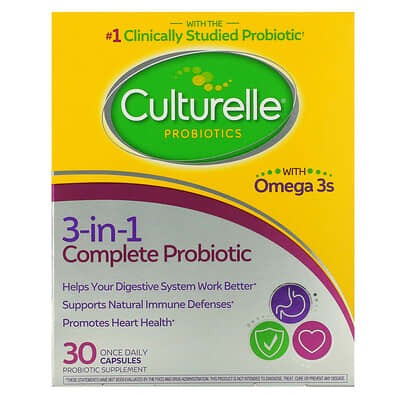
 iHerb iHerb | $ 25.34 | |
 Pure Formulas Pure Formulas | $ 26.39 | |
 Vitacost Vitacost | $ 27.89 | |
| Vitacost | $ 27.89 |
The named probiotic strain gives the product a clear digestive purpose, although the supplied data list its weight rather than a viable CFU count. Vitamin D is present only at a small amount.
Fish oil contributes 240 mg with just 70 mg total omega-3. That amount is too low to serve cardiovascular or inflammatory omega-3 goals, and no EPA or DHA breakdown is supplied.
The serving cost may be reasonable only if the probiotic performance is the main priority. A separate fish-oil product is needed for meaningful omega-3 supplementation.
Vitamin D3 and a named probiotic strain add some quality, but potency disclosure is weak. The tiny omega-3 amount does not support meaningful fish-oil use.
Named ingredients and weights provide a partial formula outline. Missing EPA, DHA, probiotic colony counts, other ingredients, and full directions prevent a precise assessment.
The aggregate satisfaction signal is strong and supported by the available response volume. No review-text evidence is provided to assess repeated complaints or whether experiences match the intended use.
The serving is priced for a probiotic rather than an omega-3 supplement. Minimal omega-3 content and incomplete probiotic potency disclosure weaken practical value.
| Ingredient | Amount per serving |
|---|---|
Calories | 0 Calorie(s) |
Total Carbohydrates | 0 Gram(s) |
Total Sugars | 0 Gram(s) |
Added Sugars | 0 Gram(s) |
Vitamin D | 1 mcg |
Sodium | 5 mg |
Lactobacillus rhamnosus GG | 40 mg |
Fish Oil | 240 mg |
Omega-3 Fatty Acids | 70 mg |
The fish oil contributes only 70 mg total omega-3 and functions as a minor part of a probiotic formula. Missing EPA and DHA amounts, molecular form, source species, antioxidants, and purity testing leave omega-3 quality unclear. The serving cost is not efficient for omega-3-focused use because the active EPA and DHA dose cannot be established.
The small fish-oil addition does not disclose any EPA or DHA amount, so meaningful omega content cannot be verified. Molecular form, species, purification, testing, and oxidation protection are also unspecified. The relatively high serving cost therefore offers poor fish-oil value.