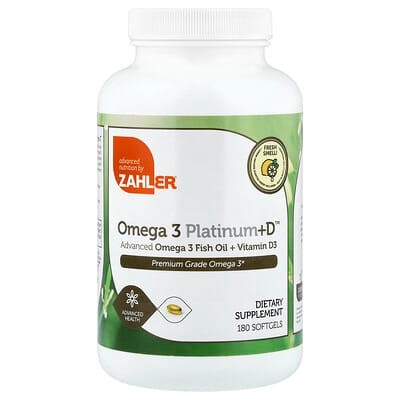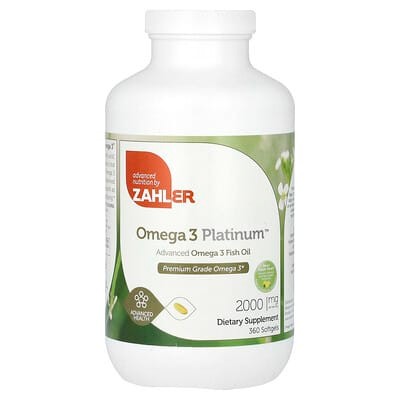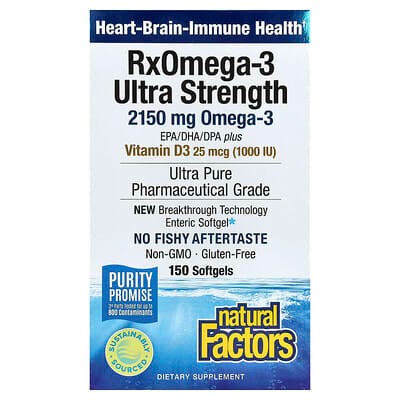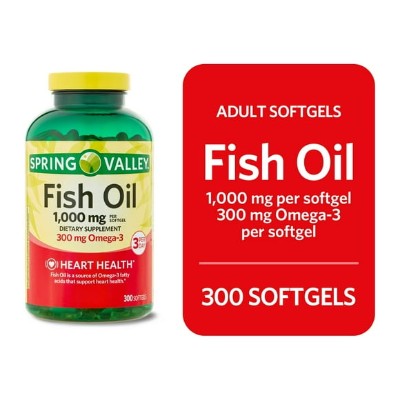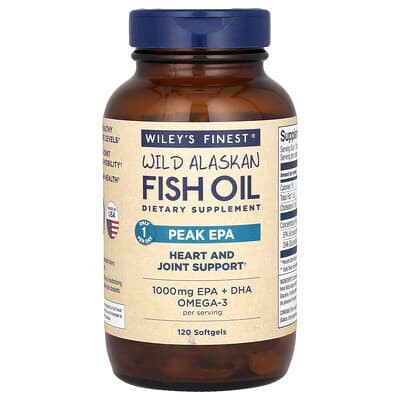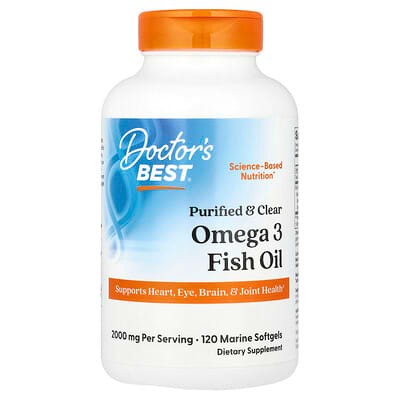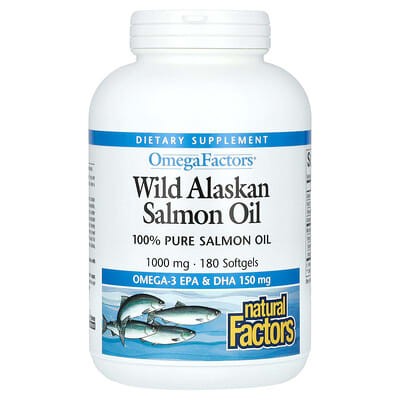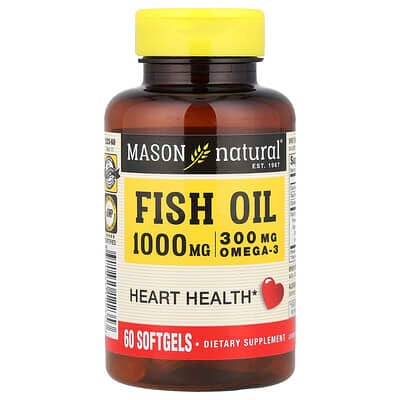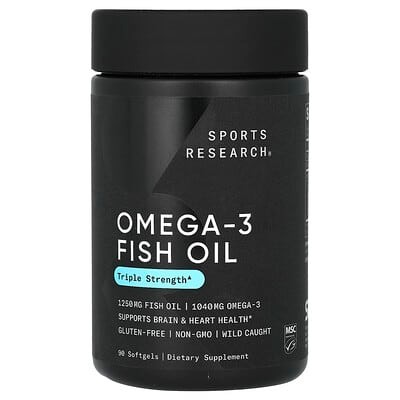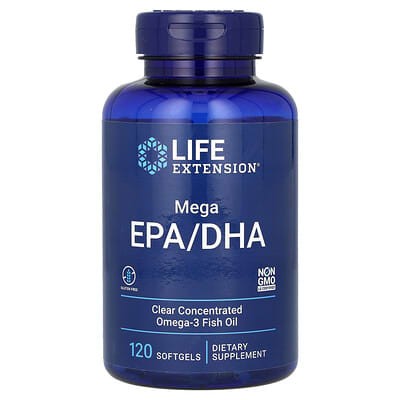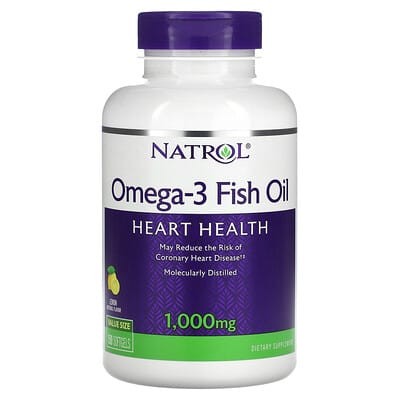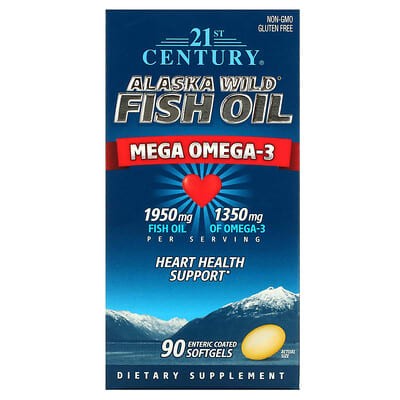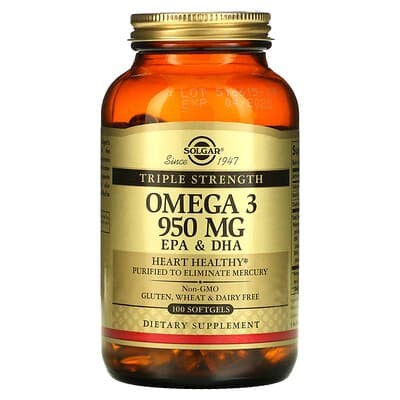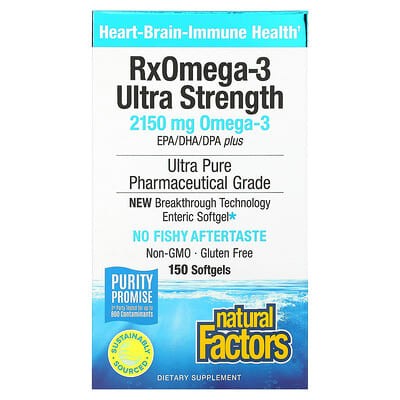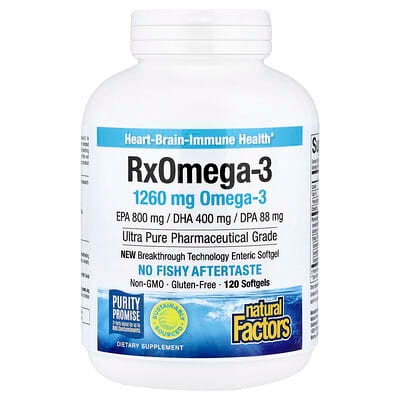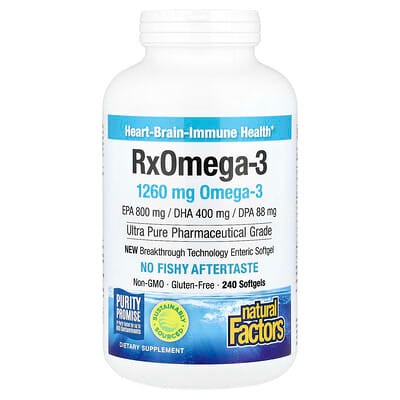
Fish Oil

fatty acid

Fish oil is derived from the tissues of oily fish and serves as a concentrated source of omega-3 polyunsaturated fatty acids. These fatty acids, particularly EPA and DHA, are integral components of cell membranes and support various physiological processes. The active compounds, EPA and DHA, contribute to brain development and function, vision, and immune system regulation. By incorporating into phospholipids within cell membranes, they influence membrane fluidity and cell signaling pathways, which are important for maintaining cellular health. Supplements are frequently used to increase omega-3 intake for those who do not regularly consume oily fish. Fish oil is recognized for its anti-inflammatory properties and its role in supporting cardiovascular, neurological, and joint health.

Natural sources
SalmonMackerelTunaSardinesHerringCod liver

No public comparison lists found.

Optimal Dosage
Minimum1000 mg
Maximum3000 mg
Safety & Toxicity
Toxicity Threshold5000 mg
Toxicity EffectIncreased bleeding risk
5 safety notes
  • Individuals with bleeding disorders or those taking blood-thinning medications should use with caution and consult a healthcare professional.
  • High doses may increase the risk of bleeding.
  • May cause stomach upset, fishy aftertaste, or diarrhea.
  • Pregnant or nursing women, children, and individuals with medical conditions should consult a healthcare professional before use.
  • Some fish oil supplements may contain contaminants like mercury; choose reputable brands.
Goals
Anti-Inflammatory Support
Impact
Highest effect
Typical dose:1000–3000 mg

Fish oil is a foundational supplement for managing inflammation. Its components, EPA and DHA, are incorporated into cell membranes and enzymatically converted into specialized pro-resolving mediators (SPMs) that actively turn off the inflammatory process. This helps reduce chronic inflammation and supports cardiovascular and joint health.

Focuses on
C-reactive protein levelsPro-inflammatory cytokinesEndothelial inflammatory markersMolecular immune responseSystemic marker reduction
Most relevant for
Adults with underlying health conditions or metabolic risks seeking to manage chronic markers of systemic inflammation.

Potential benefits

  • Reduction of Systemic Markers.Pooled clinical evidence shows that fish oil can significantly lower key inflammatory markers, including C-reactive protein (CRP) and tumor necrosis factor-alpha (TNF-alpha), particularly in individuals with hypertension or chronic kidney disease.
  • Molecular Modulation.Supplementation influences inflammation at the cellular level by increasing the production of anti-inflammatory mediators like leukotriene B5 and downregulating genes associated with pro-inflammatory processes.
  • Support in Specific Conditions.Evidence suggests benefits for specific inflammatory contexts, such as reducing interleukin-1 beta in rheumatoid arthritis and lowering tear-film inflammatory markers in cases of contact lens discomfort.

Limitations

  • Mixed Effects in Healthy Adults.Multiple trials in healthy individuals, athletes, and active adults have found no significant impact on systemic inflammatory markers or exercise-induced inflammation.
  • Inconsistent Symptom Relief.A reduction in laboratory markers does not always lead to clinical improvements; for example, fish oil has shown no clear benefit for maintaining remission in inflammatory bowel disease or reducing multiple sclerosis symptoms.
  • Dose and Population Sensitivity.Anti-inflammatory effects often appear dose-dependent and are more consistently observed in populations with existing health conditions rather than the general public.
Things to consider

Gastrointestinal adverse effects are common at supplemental doses. The effectiveness may be influenced by the specific EPA-to-DHA ratio and whether it is used alongside conventional medical treatments.

Study evidence

68 studies

Fish oil can lower some inflammatory markers, particularly in people with certain health conditions, but results vary substantially. These changes do not consistently translate into symptom relief, and research in healthy people often finds little or no anti-inflammatory benefit.


View goal
Cardiovascular Support
Impact
Highest effect
Typical dose:500–2000 EPA+DHA mg

Rich in the Omega-3 fatty acids EPA and DHA, which are integral to cell membranes throughout the body. They have extensive clinical evidence for improving lipid profiles (especially triglycerides), reducing systemic inflammation, and supporting endothelial function, which is critical for blood vessel health.

Focuses on
Triglyceride reductionBlood pressure supportArterial stiffnessCoronary heart healthLipid profile management
Most relevant for
Adults seeking to manage elevated triglycerides or support heart health, particularly those with low dietary fish intake.

Potential benefits

  • Triglyceride Management.Consistently shown to lower serum triglyceride levels by 10% to 30%, with the most significant effects observed in individuals with elevated baseline levels.
  • Coronary Risk Reduction.Meta-analyses suggest supplementation is associated with a reduced risk of myocardial infarction and coronary heart disease mortality.
  • Vascular Function Support.May improve arterial health by modestly reducing pulse wave velocity, a measure of arterial stiffness, particularly at lower doses over shorter durations.

Limitations

  • Inconsistent Primary Prevention.Large-scale trials in healthy general populations have not consistently demonstrated a reduction in total major cardiovascular events or stroke.
  • Potential LDL Elevation.While lowering triglycerides, some studies observe a slight increase in LDL cholesterol concentrations, which may require monitoring.
  • Baseline Intake Influence.Cardiovascular benefits appear more pronounced in individuals who do not regularly consume fish, with less clear impact for those with high dietary intake.
Things to consider

Regular use may be associated with an increased risk of atrial fibrillation in individuals without pre-existing cardiovascular disease.

Study evidence

185 studies

Fish Oil reliably lowers elevated triglycerides and may modestly improve some cardiovascular outcomes, but broad prevention benefits are inconsistent. Effects depend on the population and formulation; some studies also report higher LDL cholesterol or an association with atrial fibrillation.

View goal
General Health
Impact
Highest effect
Typical dose:500–2000 EPA+DHA mg

The Omega-3s EPA and DHA are crucial for resolving inflammation throughout the body, which is a key factor in long-term health. They are integral components of brain cell membranes, supporting cognitive function, and also play a significant role in maintaining heart health and healthy blood lipid levels.

Focuses on
Heart HealthInflammation SupportLongevityLipid ManagementVascular Health
Most relevant for
Individuals looking to supplement their diet with Omega-3s to support long-term cardiovascular and metabolic health.

Potential benefits

  • Cardiovascular Risk Reduction.Supplementation is associated with reduced risks of cardiac-related death and non-fatal events, particularly in those with higher baseline cardiovascular risks.
  • Triglyceride Lowering.Clinical trials demonstrate that fish oil effectively reduces serum triglyceride levels, a key marker for metabolic and heart health.
  • Associated Longevity Support.Unconfirmed. Observational data link higher habitual use and blood levels of DHA with a lower risk of all-cause mortality, though this link remains unproven as a direct cause-and-effect relationship in clinical trials.

Limitations

  • Inconsistent General Wellness Effects.Large-scale studies in healthy older populations have not found a significant benefit for improving mood, cognition, or overall quality of life.
  • Potential LDL Elevation.Certain DHA-rich fish oil formulations have been observed to increase LDL-cholesterol levels in some users, which may impact overall lipid goals.
  • Population Specificity.Much of the evidence for clinical benefit is derived from high-risk or specific patient groups and may not apply equally to generally healthy individuals.
Things to consider

Use with caution if you have a history of angina, as some research noted an increased risk of cardiac events in this group. A large study also observed a slight increase in depression risk among adults over age 50.

Study evidence

61 studies

Fish oil can lower triglycerides and may help selected health problems, but the supplied research does not show a consistent improvement in overall health or longevity. Results vary by population and formulation, with some trials finding no benefit or unfavorable outcomes.

View goal
Energy
Impact
High effect
Typical dose:500–2000 EPA+DHA mg

The omega-3 fatty acids EPA and DHA are integral components of mitochondrial membranes. Healthy membranes allow for more efficient energy production (ATP synthesis). Additionally, their anti-inflammatory properties can combat the low-grade inflammation that contributes to feelings of fatigue and malaise.

Focuses on
Exercise economyOxygen efficiencyMetabolic rateCondition-related fatigue
Most relevant for
Athletes seeking to optimize oxygen use during exercise or individuals managing fatigue related to specific inflammatory conditions.

Potential benefits

  • Improved exercise economy.Some research suggests that fish oil can reduce heart rate and the oxygen cost of exercise, potentially making cardiovascular effort more efficient during intense activity.
  • Support for clinical fatigue.Evidence indicates fish oil may improve energy-related quality of life and reduce the onset of fatigue in specific populations, such as those with rheumatoid arthritis or undergoing hemodialysis.
  • Metabolic rate in aging.Unconfirmed. Supplementation has been shown to increase resting and exercise metabolic rates in older women, though it is unproven if this leads to an increase in felt energy.

Limitations

  • No general energy boost.Studies in healthy, active adults frequently show no significant improvement in subjective energy levels, muscle endurance, or overall performance.
  • Ineffective for specific conditions.Clinical guidelines and trials suggest fish oil is likely ineffective for fatigue in multiple sclerosis and may be less effective than omega-6 oils for cancer-related fatigue.
  • Efficiency without performance.While fish oil may alter physiological markers like oxygen demand, these changes do not consistently result in increased power, speed, or time to exhaustion.
Things to consider

In certain clinical contexts, such as recovery from cancer treatment, fish oil may be less effective at improving fatigue compared to other supplements like omega-6 fatty acids.

Study evidence

8 studies

Fish oil has not shown a consistent benefit for everyday energy or resistance to fatigue. Some improvements occur in particular medical populations, while exercise studies often show changes in oxygen use or metabolism without better endurance or performance.

View goal
Testosterone Support
Impact
High effect
Typical dose:500–2000 EPA+DHA mg

The health of cell membranes in the Leydig cells of the testes is critical for proper hormone production. Omega-3s improve membrane fluidity and function. Studies suggest that higher omega-3 intake is associated with improved testicular function and higher levels of Luteinizing Hormone (LH), a precursor signal for testosterone production.

Focuses on
Testicular health markersOmega-3 fatty acid statusHormonal signaling supportOverweight male health
Most relevant for
Overweight or obese men seeking to support hormonal health through improved omega-3 intake.

Potential benefits

  • Support for overweight men.DHA-rich fish oil may help increase total testosterone levels in men with a high BMI, according to a secondary analysis of metabolic research.
  • Testicular health markers.Unconfirmed. Observational data links regular fish oil use to indicators of healthy testicular function, including larger testicular volume and higher semen quality.
  • Cellular structural support.Unconfirmed. Omega-3s are essential components of Leydig cell membranes in the testes, which are the primary sites of testosterone production.

Limitations

  • Inconsistent clinical results.Controlled studies in lean men and those with hypertension have shown no significant changes in total or free testosterone levels.
  • Lack of functional evidence.There is currently no evidence that fish oil supplementation improves symptoms of low testosterone, such as low libido or reduced muscle mass.
  • Narrow population data.Supportive findings are largely limited to specific groups or secondary analyses, making it unclear if the general population would see similar benefits.
Things to consider

Men with hypertension should be aware that some research has noted unfavorable shifts in cholesterol profiles when using fish oil supplements.

Study evidence

3 studies

Fish oil is not established as a reliable testosterone booster. A favorable result in overweight and obese men contrasts with research showing no hormonal change, while observational links with reproductive health do not prove that fish oil raises testosterone.

View goal
Nail Health
Impact
Moderate effect
Typical dose:500–2000 EPA+DHA mg

The anti-inflammatory properties of Omega-3s support overall health, while the fats themselves can help lubricate and nourish the nail matrix. This can result in nails that are less dry and prone to splitting or peeling.

Focuses on
Nail flexibilityBrittleness reductionMoisture supportMatrix nourishment
Most relevant for
Individuals with dry or brittle nails looking for supplemental omega-3 support.

Potential benefits

  • Moisture Support.Unconfirmed. Omega-3 fatty acids may help hydrate the nail matrix to improve moisture levels and flexibility, though this benefit is currently unproven by provided research.
  • Reduced Brittleness.Unconfirmed. The intake of essential fats is suggested to help minimize the dryness that leads to splitting or peeling, but this effect has not been clinically confirmed.

Limitations

  • Lack of Direct Evidence.No clinical studies were provided to support a direct causal link between fish oil supplementation and improved nail health.
  • Theoretical Mechanism.Claims regarding nail matrix nourishment are based on the general properties of fatty acids rather than specific nail-focused data.

Study evidence

No published studies for this goal yet.

View goal
Showing 6 of 7 goals

Studies

Research connections will load here.
Sources

Up to five highest-ranked published examples per goal. Study counts and charts include all published studies for the connection.

  1. Dose-dependent effects of fish oil on cardio-metabolic biomarkers in healthy middle-aged and elderly Chinese people: a double-blind randomized controlled trial.
    Song J; Hu M; Li C; Yang B; Ding Q; Wang C; Mao L · Food & function · 2018
    Randomized trial201 participantsAnti-Inflammatory Support
  2. Eicosapentaenoic acid supplementation alleviates pruritus, enhances skin moisture, and mitigates depression in maintenance hemodialysis patients.
    Lin YL; Wang CL; Chiang TI · Frontiers in nephrology · 2024
    Randomized trial60 participantsAnti-Inflammatory Support
  3. Lowering effects of fish oil supplementation on proinflammatory markers in hypertension: results from a randomized controlled trial.
    Yang B; Ren XL; Li ZH; Shi MQ; Ding F; Su KP; Guo XJ; Li D · Food & function · 2020
    Randomized trial77 participantsAnti-Inflammatory Support
  4. The effects of ω-3 fish oil emulsion-based parenteral nutrition plus combination treatment for acute paraquat poisoning.
    Meng Z; Dong Y; Gao H; Yao D; Gong Y; Meng Q; Zheng T; Cui X; Su X; Tian Y · The Journal of international medical research · 2019
    Randomized trial174 participantsAnti-Inflammatory Support
  5. Effects of Omega-3 Fatty Acid Intake in Patients Undergoing Dialysis: A Systematic Review and Meta-Analysis of Randomized Controlled Trials.
    Liu R; Jiang J; Fu Z; Liu C; Yao L; Quan H · Journal of the American Nutrition Association · 2022
    Meta-analysis49 studies pooledAnti-Inflammatory Support
  6. Marine Omega-3 Supplementation and Cardiovascular Disease: An Updated Meta-Analysis of 13 Randomized Controlled Trials Involving 127 477 Participants.
    Hu Y; Hu FB; Manson JE · Journal of the American Heart Association · 2020
    Meta-analysis127,477 participants13 studies pooledCardiovascular Support
  7. Impact of omega-3 fatty acids on hypertriglyceridemia, lipidomics, and gut microbiome in patients with type 2 diabetes.
    Lu J; Liu R; Ren H; Wang S; Hu C; Shi Z; Li M; Liu W; Wan Q; Su Q; Li Q; Zheng H; Qu S; Yang F; Ji H; Lin H; Qi H; Wu X; Wu K; Chen Y; Xu Y; Xu M; Wang T; Zheng J; Ning G; Zheng R; Bi Y; Zhong H; Wang W · Med (New York, N.Y.) · 2025
    Randomized trial309 participantsCardiovascular Support
  8. A systematic review of fish-oil supplements for the prevention and treatment of hypertension.
    Campbell F; Dickinson HO; Critchley JA; Ford GA; Bradburn M · European journal of preventive cardiology · 2013
    Meta-analysis1,524 participants17 studies pooledCardiovascular Support
  9. Effects of fish oil-derived fatty acids on suboptimal cardiovascular health: A multicenter, randomized, double-blind, placebo-controlled trial.
    Zeng Q; Dong SY; Liu YP; Fu J; Shuai P; Zhao ZM; Li TX · Nutrition, metabolism, and cardiovascular diseases : NMCD · 2017
    Randomized trial422 participantsCardiovascular SupportWeight Loss
  10. Effect of High-Dose Marine Omega-3 Fatty Acids on Atherosclerosis: A Systematic Review and Meta-Analysis of Randomized Clinical Trials.
    Sekikawa A; Cui C; Sugiyama D; Fabio A; Harris WS; Zhang X · Nutrients · 2020
    Meta-analysis6 studies pooledCardiovascular Support
  11. Parenteral Nutrition Containing Fish Oil for Hospitalized Non-Intensive Care Unit (ICU) Patients: A Systematic Review, Meta-Analysis, and Cost-Effectiveness Analysis.
    Pradelli L; Heller AR; Klek S; Mayer K; Rosenthal MD; Muscaritoli M · Nutrients · 2025
    Meta-analysis29 studies pooledGeneral Health
  12. Effects of fish oil during hemodialysis on nutritional status and quality of life: a randomized double-blinded trial.
    Zhang C; Ge C; Wang J; Sun D · Food & nutrition research · 2022
    Randomized trial103 participantsGeneral HealthEnergy
  13. The effects of fish oil plus vitamin D3 intervention on non-alcoholic fatty liver disease: a randomized controlled trial.
    Guo XF; Wang C; Yang T; Ma WJ; Zhai J; Zhao T; Xu TC; Li J; Liu H; Sinclair AJ; Li D · European journal of nutrition · 2022
    Randomized trial111 participantsGeneral Health
  14. Circulating Docosahexaenoic Acid and Risk of All-Cause and Cause-Specific Mortality.
    O'Keefe EL; O'Keefe JH; Tintle NL; Westra J; Albuisson L; Harris WS · Mayo Clinic proceedings · 2024
    Meta-analysis117,702 participants17 studies pooledGeneral Health
  15. Omega-3 dietary supplements and the risk of cardiovascular events: a systematic review.
    Marik PE; Varon J · Clinical cardiology · 2010
    Meta-analysis39,044 participants11 studies pooledGeneral Health
  16. Omega-3 Fatty Acid Supplementation for 12 Weeks Increases Resting and Exercise Metabolic Rate in Healthy Community-Dwelling Older Females.
    Logan SL; Spriet LL · PloS one · 2016
    Randomized trial24 participantsEnergy
  17. Supplementation of fish oil and olive oil in patients with rheumatoid arthritis.
    Berbert AA; Kondo CR; Almendra CL; Matsuo T; Dichi I · Nutrition (Burbank, Los Angeles County, Calif.) · 2005
    Randomized trial43 participantsEnergy
  18. DHA-rich Fish Oil Increases the Omega-3 Index and Lowers the Oxygen Cost of Physiologically Stressful Cycling in Trained Individuals.
    Hingley L; Macartney MJ; Brown MA; McLennan PL; Peoples GE · International journal of sport nutrition and exercise metabolism · 2018
    Randomized trial26 participantsEnergy
  19. Fish oil reduces heart rate and oxygen consumption during exercise.
    Peoples GE; McLennan PL; Howe PR; Groeller H · Journal of cardiovascular pharmacology · 2009
    Randomized trial16 participantsEnergy
  20. Dietary supplementation with docosahexaenoic acid rich fish oil increases circulating levels of testosterone in overweight and obese men.
    Abbott K; Burrows TL; Acharya S; Thota RN; Garg ML · Prostaglandins, leukotrienes, and essential fatty acids · 2021
    Randomized trial61 participantsTestosterone Support
  21. Fish oil produces an atherogenic lipid profile in hypertensive men.
    Hughes GS; Ringer TV; Watts KC; DeLoof MJ; Francom SF; Spillers CR · Atherosclerosis · 1991
    Randomized trial26 participantsTestosterone Support
  22. Associations of Fish Oil Supplement Use With Testicular Function in Young Men.
    Jensen TK; Priskorn L; Holmboe SA; Nassan FL; Andersson AM; Dalgård C; Petersen JH; Chavarro JE; Jørgensen N · JAMA network open · 2020
    Cross-sectional study1,679 participantsTestosterone Support
  23. Effects of n-3 fatty acid supplements on cardiometabolic profiles in hypertensive patients with abdominal obesity in Inner Mongolia: a randomized controlled trial.
    Yang B; Shi MQ; Li ZH; Shi L; Wang AM; Guo XJ; Li D · Food & function · 2019
    Randomized trial108 participantsWeight Loss
  24. Fish or n3-PUFA intake and body composition: a systematic review and meta-analysis.
    Bender N; Portmann M; Heg Z; Hofmann K; Zwahlen M; Egger M · Obesity reviews : an official journal of the International Association for the Study of Obesity · 2015
    Meta-analysisWeight Loss
  25. Treatment for 2 mo with n 3 polyunsaturated fatty acids reduces adiposity and some atherogenic factors but does not improve insulin sensitivity in women with type 2 diabetes: a randomized controlled study.
    Kabir M; Skurnik G; Naour N; Pechtner V; Meugnier E; Rome S; Quignard-Boulangé A; Vidal H; Slama G; Clément K; Guerre-Millo M; Rizkalla SW · The American journal of clinical nutrition · 2008
    Randomized trial27 participantsWeight Loss
  26. Plasma ω-3 fatty acids in pregnancy are inversely associated with postpartum weight retention in a multiethnic Asian cohort.
    Loy SL; Ng MJH; Cheung YB; Godfrey KM; Calder PC; Lek N; Yap F; Müller-Riemenschneider F; Natarajan P; Chong YS; Tan KH; Shek LP; Chong MF; Chan JKY · The American journal of clinical nutrition · 2017
    Cohort study653 participantsWeight Loss