
Nutrient quality
Several high-quality nutrient forms support a broad energy-related micronutrient base. Some amounts are aggressive for younger children, while magnesium and minor extras are modest.
.
 Amazon Amazon | $ 24.00 | |
 Vitacost Vitacost | $ 24.03 | |
 Pure Formulas Pure Formulas | $ 24.00 | |
 iHerb iHerb | $ 24.00 |
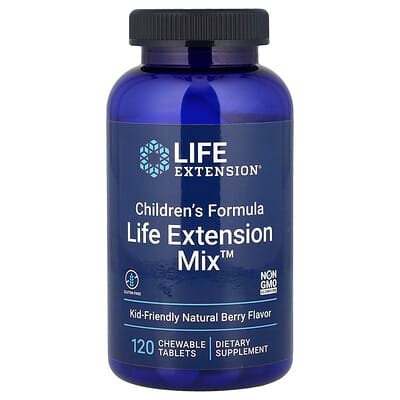
The children’s multinutrient combines methylfolate, methylcobalamin, chelated zinc, and selenomethionine with broad vitamin coverage. Several higher-quality forms strengthen the nutritional core.
The berry-flavored powder can help children who do not take tablets and allows measured servings. Magnesium oxide and multiple token-dose extras reduce efficiency, while the broad profile requires age-appropriate dosing.
It may suit children needing a comprehensive powder after diet and age are considered. Caregivers should avoid combining it casually with other fortified products.
Several high-quality nutrient forms support a broad energy-related micronutrient base. Some amounts are aggressive for younger children, while magnesium and minor extras are modest.
.Most active amounts are listed, but duplicated form entries make some totals difficult to interpret. Complete directions and non-active ingredients are not supplied.
.The supplied average is very strong, and the rating count is very large. Specific firsthand feedback is absent, so repeated complaints and purpose fit cannot be assessed.
.The serving cost is reasonable for the ingredient quality and breadth. Some weak forms, hidden blends, or modest doses limit competitiveness.
.
B vitamins and iodine provide credible maintenance support for metabolism in a broad children’s multivitamin. Methylcobalamin, active folate, and potassium iodide are useful form choices.
Magnesium oxide is poorly absorbed, while CoQ10 and inositol appear only in token amounts. The formula supports general nutrition more convincingly than targeted energy production.
| Ingredient | Amount per serving |
|---|---|
Calories | 10 Calorie(s) |
Total Carbohydrates | 2 Gram(s) |
Vitamin A (Beta-Carotene) | 1050 mcg RAE |
Vitamin C (Ascorbic Acid) | 120 mg |
Vitamin D3 (Cholecalciferol) | 10 mcg |
Vitamin E (D-Alpha-Tocopheryl Succinate) | 20.1 mg |
Thiamine (Thiamine Mononitrate, Vitamin B1) | 3 mg |
Riboflavin (Vitamin B2) | 1.7 mg |
Niacin (Niacinamide, Vitamin B3) | 20 mg NE |
Vitamin B6 (Pyridoxine Hydrochloride) | 2 mg |
Folate (L-5-Methyltetrahydrofolate) | 265 mcg DFE |
Vitamin B12 (Methylcobalamin) | 6 mcg |
Biotin | 300 mcg |
Pantothenic Acid (D-Calcium Pantothenate) | 10 mg |
Iodine (Potassium Iodide) | 150 mcg |
Magnesium (Magnesium Oxide) | 50 mg |
Zinc (Zinc Bisglycinate Chelate) | 10 mg |
Selenium (L-Selenomethionine) | 25 mcg |
Molybdenum (Molybdenum Glycinate Chelate) | 20 mcg |
Potassium (Potassium Citrate) | 10 mg |
Marigold extract | 11.12 mg |
Inositol | 10 mg |
Coenzyme Q10 | 1 mg |
Potassium iodide supplies a stable, readily absorbed form at a suitable daily dose. Two multi-ingredient chewable tablets make delivery less streamlined than a single small tablet, though the serving stays safely below the upper limit. The serving cost is below the collection norm and fits the broader children’s multinutrient format.
Biotin is clearly disclosed at a low amount within a broad children’s multivitamin. The chewable format is less clean than a capsule or liquid, and the label does not identify the active d-isomer. A neutral value view is appropriate because many vitamins, minerals, and supportive nutrients are included.
Published studies used for the product analysis and the top-ranked studies for each ingredient and goal.