
Nutrient quality
The protein dose is useful and fits the product’s core purpose. Missing protein-source details and a less protein-dense macronutrient profile are important weaknesses.
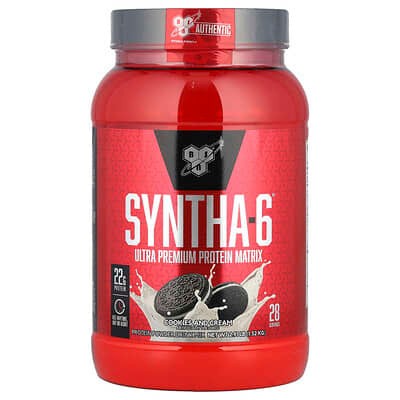
.
 iHerb iHerb | $ 50.40 | |
 Vitacost Vitacost | $ 45.07 | |
 Amazon Amazon | $ 52.11 |
The powder supplies 22 g of protein, which is its main nutritional strength. Potassium, sodium, phosphorus, and calcium appear only in modest amounts and are secondary to the protein blend.
None of the mineral forms is identified, limiting assessment of their quality. The serving also contains 6 g of fat and 60 mg of cholesterol, which may not fit every heart-focused diet.
It works as a flavored protein powder for people who value taste and macronutrients. Anyone seeking meaningful electrolyte replacement or dedicated cardiovascular support should choose a more targeted formula.
The protein dose is useful and fits the product’s core purpose. Missing protein-source details and a less protein-dense macronutrient profile are important weaknesses.
.Total protein and basic nutrition amounts are disclosed. Protein-source details and non-active ingredients remain unclear.
.The supplied average rating is positive but trails stronger category results. No specific review comments were supplied, so repeated negative experiences cannot be assessed.
.The protein amount provides reasonable practical value. Limited source disclosure and a less protein-dense serving reduce category competitiveness.
.| Ingredient | Amount per serving |
|---|---|
Calories | 198 {Calories} |
Total Fat | 6 g |
Cholesterol | 60 mg |
Total Carbohydrates | 14 g |
Protein | 22 g |
Calcium | 100 mg |
Phosphorus | 100 mg |
Sodium | 170 mg |
Potassium | 190 mg |
The sodium amount is too low for substantial sweat replacement, making it a weak electrolyte-focused choice. Potassium is included, but neither its form nor the sodium source is disclosed. Its cost per serving is reasonable, but the limited sodium dose weakens its value for this use.
The elemental phosphorus amount is targeted, but its source compound is not identified. A small powder serving is practical to use. The per-serving cost is high compared with the collection benchmark.
The 190 mg amount offers moderate potassium support but stays below an effective daily target. The protein-powder context suggests a food-derived source, yet the chemical form is not identified. Cost efficiency is weak because the serving remains under the effective range.