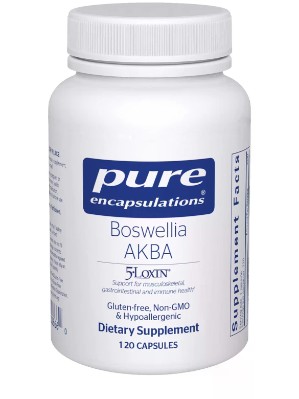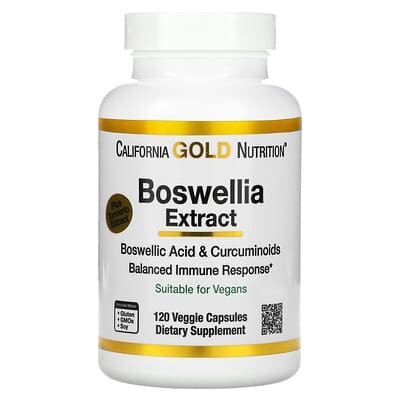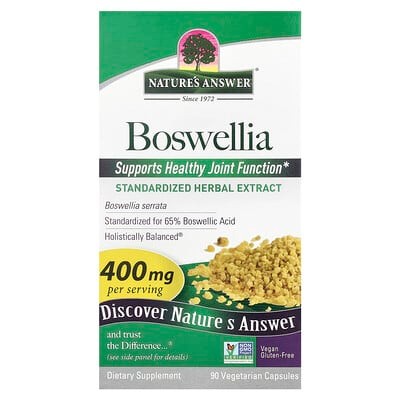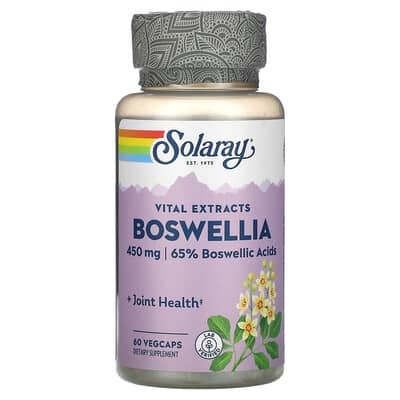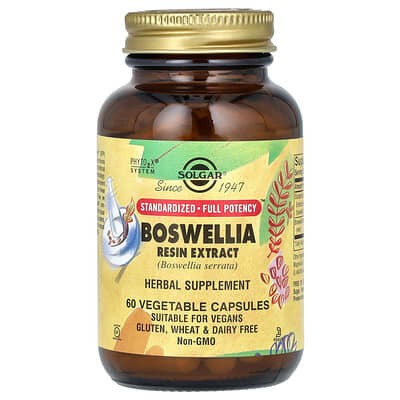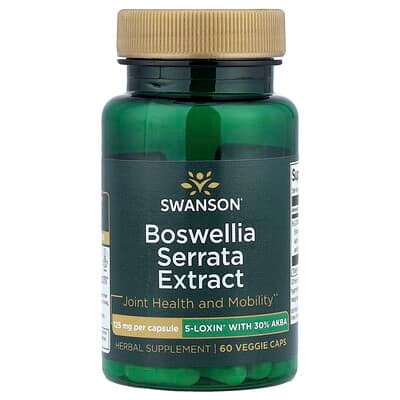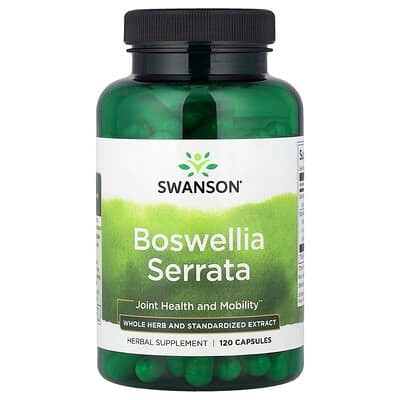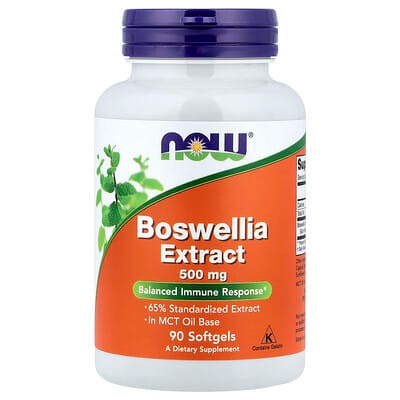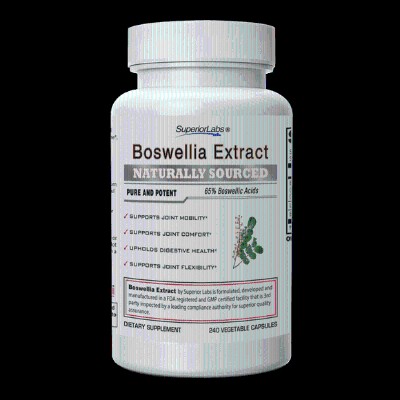
Boswellia

botanical

Boswellia refers to the oleo-gum-resin harvested from the bark of trees in the Boswellia genus, particularly Boswellia serrata. Native to regions including India, Africa, and the Middle East, this botanical is a staple of traditional Ayurveda. Its primary active components are boswellic acids, such as acetyl-11-keto-beta-boswellic acid (AKBA). These active compounds may modulate inflammatory pathways by interacting with cellular processes and helping to reduce the production of certain pro-inflammatory molecules. Research continues to investigate how Boswellia supports joint mobility, digestive health, and respiratory function. It remains a popular choice for those looking to manage inflammatory responses and maintain overall cellular wellness.

Natural sources
Boswellia serrata tree resinBoswellia carteri tree resinBoswellia sacra tree resin

Ingredient forms

No public comparison lists found.

Timing & Intake
AnytimeWith foodTake with Healthy fats (to enhance absorption)
May be taken with meals to support absorption and help minimize potential gastrointestinal discomfort.
Optimal Dosage
Minimum300 mg
Maximum500 mg
Safety & Toxicity
3 safety notes
  • Pregnant or nursing women should consult a healthcare professional before use.
  • Individuals with pre-existing medical conditions or those taking medications should consult a healthcare professional.
  • Discontinue use if adverse reactions occur.
Goals
Anti-Inflammatory Support
Impact
High effect
Typical dose:300–900 mg

Boswellia serrata extract, also known as Indian frankincense, provides potent relief, especially for joint-related inflammation and pain. Its unique mechanism of inhibiting the 5-lipoxygenase (5-LOX) enzyme makes it an excellent complement to curcumin, providing a more comprehensive anti-inflammatory effect.

Focuses on
Joint discomfortKnee mobilityStiffness reductionDegenerative joint supportInflammatory marker modulation
Most relevant for
Individuals seeking to manage joint-related discomfort and stiffness, particularly those with age-related or degenerative knee wear.

Potential benefits

  • Reduces Joint Pain and Stiffness.Standardized extracts have consistently demonstrated the ability to lower pain scores and improve physical function in individuals with knee osteoarthritis, sometimes as early as 5 to 7 days.
  • Modulates Key Inflammatory Markers.Clinical trials show significant reductions in systemic markers of inflammation, including high-sensitivity C-reactive protein (hs-CRP), TNF-alpha, and IL-6, alongside physical improvements.
  • Supports Joint Tissue Health.Longer-term studies suggest certain Boswellia preparations may help maintain cartilage morphology and reduce enzymes that degrade joint tissue.

Limitations

  • Narrow Scope of Efficacy.While effective for degenerative joint symptoms, research indicates Boswellia may be ineffective for maintaining remission in inflammatory bowel conditions like Crohn's disease.
  • Limited Rheumatological Support.Medical guidelines note that evidence for a clinically relevant benefit in autoimmune or inflammatory joint diseases remains very limited compared to degenerative conditions.
  • Extract Specificity.Benefits are tied to specific standardized preparations (often enriched with AKBA); generic or unstandardized powders may not provide the same anti-inflammatory outcomes.
Things to consider

Some users may experience mild gastrointestinal side effects. Its effects in combination products with curcumin are well-documented, but individual results can vary based on the specific extract used.

Study evidence

19 studies

Boswellia extracts can improve knee osteoarthritis symptoms and reduce some inflammatory markers. These findings support a condition-specific benefit, but effects vary by preparation and do not establish broad control of inflammation or effectiveness across inflammatory diseases.


View goal
Digestive Health
Impact
High effect
Typical dose:300–900 mg

Boswellia serrata extract contains boswellic acids, which are potent inhibitors of 5-lipoxygenase (5-LOX), an enzyme that produces inflammatory leukotrienes. This mechanism is distinct from many other anti-inflammatories and is particularly relevant in certain inflammatory gut conditions.

Focuses on
Abdominal comfortBowel movement regularityIBS symptom managementAcute diarrhea recoveryGut inflammation
Most relevant for
Individuals seeking to manage symptoms of mild irritable bowel syndrome or reduce the duration of acute diarrhea.

Potential benefits

  • IBS Symptom Relief.Clinical trials using a lecithin-based extract indicate it may reduce abdominal pain, bloating, and cramping in individuals with mild irritable bowel syndrome.
  • Acute Diarrhea Recovery.Research suggests specific Boswellia formulations can shorten the duration of acute diarrhea and decrease the frequency of bowel movements.
  • Management of Gut Inflammation.Unconfirmed. While studies suggest potential help for inflammatory conditions like Crohn's disease, the effectiveness is unproven due to limited data and a lack of clear superiority over standard treatments.

Limitations

  • Uncertainty in Microscopic Colitis.Systematic reviews of collagenous colitis found that Boswellia did not significantly outperform a placebo, leaving its benefit for this condition unproven.
  • Formulation Dependence.Many reported benefits involve specialized lecithin-based delivery systems; these results may not apply to standard Boswellia powders or resins.
  • Limited Data for General Health.Evidence is primarily based on individuals with pre-existing digestive conditions, so its role in supporting routine digestion in healthy adults is not established.
Things to consider

Some users have reported mild constipation as a side effect when taking Boswellia for digestive symptoms.

Study evidence

9 studies

Boswellia shows promise for easing symptoms in some digestive conditions, including mild irritable bowel syndrome and acute diarrhea. Results depend on the condition and extract studied, and the available evidence does not establish a reliable benefit for digestive health generally.

View goal
Joint Health
Impact
High effect
Typical dose:300–1000 mg

Boswellia serrata extract, standardized for its active compounds like AKBA, has demonstrated strong clinical results in improving joint comfort and function, often showing noticeable benefits within a week. It works synergistically with curcumin for broader anti-inflammatory coverage.

Focuses on
Joint pain reliefStiffness reductionPhysical mobilityFaster recovery onsetCartilage biomarker support
Most relevant for
Individuals with knee osteoarthritis seeking natural relief for joint pain and improved physical mobility.

Potential benefits

  • Pain and Stiffness Relief.Standardized extracts have demonstrated significant reductions in knee pain and morning stiffness, with some clinical trials showing improvements in as little as 5 to 7 days.
  • Enhanced Mobility and Function.Consistent supplementation supports better joint function, leading to improved performance in physical tasks like walking and climbing stairs in people with degenerative knee conditions.
  • Joint Structural Support.Unconfirmed. Preliminary evidence suggests it may reduce levels of enzymes that degrade cartilage, though its ability to definitively restore joint structure or prevent long-term deterioration remains unproven.

Limitations

  • Product Inconsistency.High heterogeneity among different Boswellia preparations means results from specific patented or standardized extracts may not apply to all commercial products.
  • Limited Audience Data.Most evidence is specifically focused on knee osteoarthritis; its efficacy for other joints or for preventing issues in healthy, active individuals is less established.
  • Duration Uncertainty.While studies up to 180 days show benefits, the long-term safety and lasting clinical efficacy beyond this period are not yet fully documented.
Things to consider

Inconsistent reporting of side effects in clinical trials means long-term safety is not fully established; consult a professional if you have underlying health conditions.

Study evidence

24 studies

Boswellia extracts can help reduce pain and improve function in people with knee osteoarthritis. Results vary across products and reviews, and the evidence is stronger for symptom relief than for lasting cartilage repair or protection of otherwise healthy joints.

View goal
Anti-Aging
Impact
Moderate effect
Typical dose:300–1000 mg

Boswellia serrata extract contains boswellic acids, which inhibit the pro-inflammatory enzyme 5-lipoxygenase (5-LOX). This mechanism is distinct from many other anti-inflammatories, making it an excellent partner for curcumin. It is clinically effective for reducing joint pain and stiffness, key issues that affect quality of life during aging.

Focuses on
Inflammation controlJoint mobility5-LOX inhibitionPhysical function
Most relevant for
Aging individuals focused on maintaining joint comfort and managing systemic inflammation through botanical support.

Potential benefits

  • Inflammation Support.Unconfirmed. The inhibition of the 5-LOX pathway is suggested to help manage chronic inflammation associated with aging, but its specific efficacy for the anti-aging goal is currently unconfirmed.
  • Joint Comfort.Unconfirmed. Boswellia is historically used to address joint stiffness and support physical mobility in older adults, though no direct research was provided to verify these claims for this goal.

Limitations

  • Absence of Clinical Data.There is no provided research linking Boswellia consumption to specific anti-aging outcomes, slowed cellular aging, or increased longevity.
  • Specificity of Action.Identified benefits relate primarily to joint health and inflammatory markers rather than broader biological processes of aging.

Study evidence

No published studies for this goal yet.

View goal

Studies

Research connections will load here.
Sources

Up to five highest-ranked published examples per goal. Study counts and charts include all published studies for the connection.

  1. Clinical Benefits of Boswellia Serrata (BOSMAX®) in Early Knee Osteoarthritis: A Randomized, Placebo-Controlled, Double-Blind Study.
    Jayaram M; Kim J; Baek KS; Jung H; Kim J; M K P; T S C; H B S; Ramaiah V; S P · Journal of medicinal food · 2025
    Randomized trial150 participantsAnti-Inflammatory Support
  2. A pilot, randomized, double-blind, placebo-controlled trial to assess the safety and efficacy of a novel Boswellia serrata extract in the management of osteoarthritis of the knee.
    Majeed M; Majeed S; Narayanan NK; Nagabhushanam K · Phytotherapy research : PTR · 2019
    Randomized trial48 participantsAnti-Inflammatory Support
  3. Boswellic Acids Improve Clinical Cognitive Scores and Reduce Systemic Inflammation in Patients with Mild to Moderate Alzheimer's Disease.
    Karima S; Aghamollaii V; Mahmoodi Baram S; Balenci L; Lanctôt KL; Kiss A; Tafakhori A; Mahdavi M; Rajaei S; Shateri S; Yarhoseini A; Mokhtari F; Fotouhi A; Riazi A · Journal of Alzheimer's disease : JAD · 2023
    Randomized trial85 participantsAnti-Inflammatory Support
  4. A Standardized Boswellia serrata Extract Improves Knee Joint Function and Cartilage Morphology in Human Volunteers with Mild to Moderate Osteoarthritis in a Randomized Placebo-Controlled Study.
    Kumar B; Ghaytidak AB; Pandey AK; Somepalli RR; Sarda P; Raychaudhuri SP; Rokkam MP · Journal of the American Nutrition Association · 2025
    Randomized trial80 participantsJoint HealthAnti-Inflammatory Support
  5. A standardized Boswellia serrata extract shows improvements in knee osteoarthritis within five days-a double-blind, randomized, three-arm, parallel-group, multi-center, placebo-controlled trial.
    Majeed A; Majeed S; Satish G; Manjunatha R; Rabbani SN; Patil NVP; Mundkur L · Frontiers in pharmacology · 2024
    Randomized trial105 participantsJoint HealthAnti-Inflammatory Support
  6. Positive Effects of a Lecithin-Based Delivery Form of Boswellia serrata Extract in Acute Diarrhea of Adult Subjects.
    Giacosa A; Riva A; Petrangolini G; Allegrini P; Fazia T; Bernardinelli L; Peroni G; Rondanelli M · Nutrients · 2022
    Randomized trial49 participantsDigestive Health
  7. Antioxidant Supplements and Gastrointestinal Diseases: A Critical Appraisal.
    Khan I; Samson SE; Grover AK · Medical principles and practice : international journal of the Kuwait University, Health Science Centre · 2018
    Narrative reviewDigestive Health
  8. Supplementation with a lecithin-based delivery form of Boswellia serrata extract (Casperome®) controls symptoms of mild irritable bowel syndrome.
    Belcaro G; Gizzi G; Pellegrini L; Corsi M; Dugall M; Cacchio M; Feragalli B; Togni S; Riva A; Eggenhoffner R; Giacomelli L · European review for medical and pharmacological sciences · 2018
    Non-randomized trial71 participantsDigestive Health
  9. Interventions for treating collagenous colitis.
    Kafil TS; Nguyen TM; Patton PH; MacDonald JK; Chande N; McDonald JW · The Cochrane database of systematic reviews · 2018
    Systematic review31 participants1 studies pooledDigestive Health
  10. Interventions for treating collagenous colitis.
    Chande N; McDonald JW; MacDonald JK · The Cochrane database of systematic reviews · 2007
    Systematic review31 participants1 studies pooledDigestive Health
  11. Oral herbal therapies for treating osteoarthritis.
    Cameron M; Chrubasik S · The Cochrane database of systematic reviews · 2015
    Meta-analysis5,980 participants49 studies pooledJoint Health
  12. Efficacy and safety of curcumin and its combination with boswellic acid in osteoarthritis: a comparative, randomized, double-blind, placebo-controlled study.
    Haroyan A; Mukuchyan V; Mkrtchyan N; Minasyan N; Gasparyan S; Sargsyan A; Narimanyan M; Hovhannisyan A · BMC complementary and alternative medicine · 2018
    Randomized trial201 participantsJoint Health
  13. A double blind, randomized, placebo controlled study of the efficacy and safety of 5-Loxin for treatment of osteoarthritis of the knee.
    Sengupta K; Alluri KV; Satish AR; Mishra S; Golakoti T; Sarma KV; Dey D; Raychaudhuri SP · Arthritis research & therapy · 2009
    Randomized trial75 participantsJoint Health