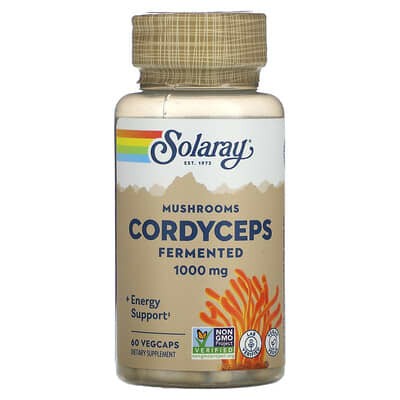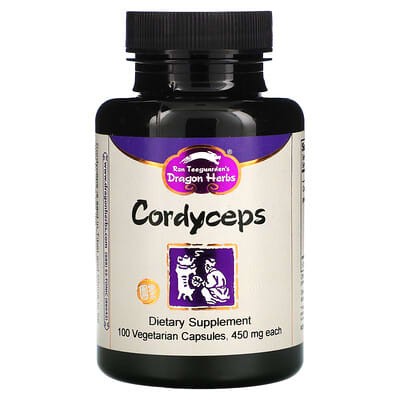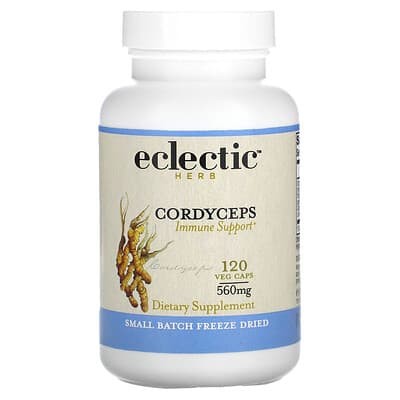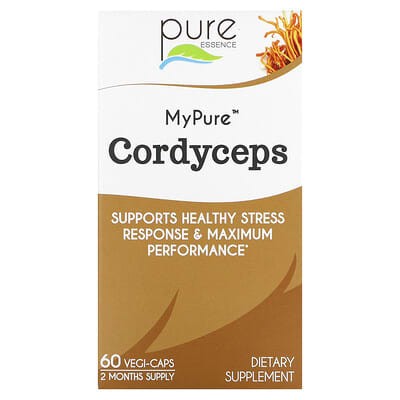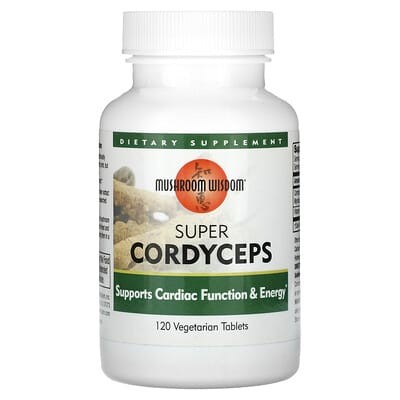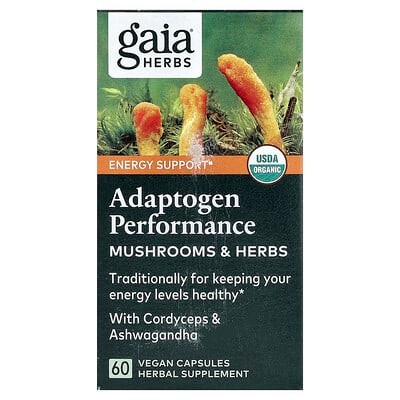
Cordyceps

botanical

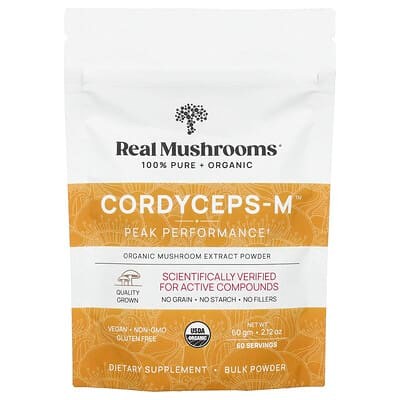
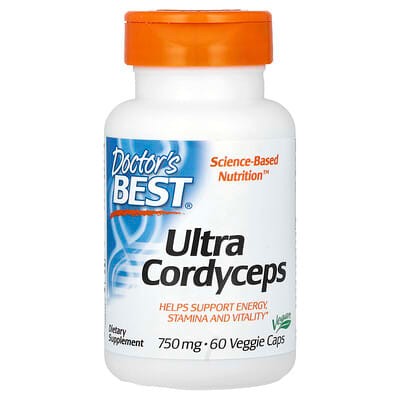
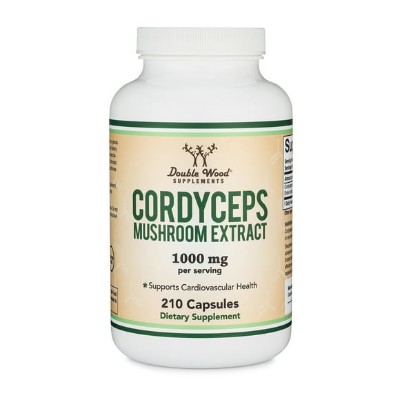
Cordyceps is a parasitic fungus that naturally grows on insect larvae in high-altitude regions like the Himalayas and Tibet. Cordyceps sinensis, now known as Ophiocordyceps sinensis, has been a central part of traditional Chinese and Tibetan medicine for centuries, valued for its wide range of potential health benefits. Its unusual life cycle gives it the common name “caterpillar fungus.” Bioactive compounds like cordycepin, adenosine, polysaccharides, and ergosterol are believed to contribute to its adaptogenic role, helping the body manage various stressors. These components may support cellular energy production, antioxidant pathways, and immune system modulation, which contributes to overall physiological resilience. Research explores its potential to support athletic performance, respiratory health, and kidney function, as well as its anti-inflammatory and antioxidant effects. It is available in various forms such as capsules, powders, and extracts, often standardized to ensure consistent levels of active compounds for those seeking physical stamina and vitality.

Natural sources
High-altitude regions of the Himalayas, Tibet, China, Nepal, and Bhutan (parasitic on insect larvae)Cultivated Cordyceps (often *Cordyceps militaris*)

Ingredient forms

No public comparison lists found.

Timing & Intake
AnytimeWith foodTake with It is often suggested to take Cordyceps with a meal for better absorption and to reduce potential stomach discomfort.
Consistent use is recommended for observing benefits. Some individuals prefer taking it in the morning or before physical activity to support energy levels.
Optimal Dosage
Minimum1000 mg
Maximum3000 mg
Safety & Toxicity
4 safety notes
  • Individuals with autoimmune diseases should use with caution or consult a healthcare professional, as Cordyceps may stimulate the immune system.
  • People with bleeding disorders or those scheduled for surgery should avoid Cordyceps due to its potential mild anticoagulant effects.
  • Pregnant or breastfeeding women should avoid use due to insufficient safety data.
  • Diabetics should monitor blood sugar levels closely, as Cordyceps may lower blood sugar.
Goals
Productivity Boost
Impact
High effect
Typical dose:500–3000 mg

Cordyceps mushroom is known to improve the body's production of ATP, the primary energy molecule. This enhancement in cellular energy and improved oxygen efficiency directly combats mental fatigue, supporting sustained cognitive effort and endurance during demanding work.

Focuses on
Mental EnergyProcessing Speed
Most relevant for
Physically active individuals seeking to maintain mental processing speed and energy efficiency during or after physical exertion.

Potential benefits

  • Reaction speed.May improve cognitive processing speed during or after periods of physical exertion, helping to maintain mental sharpness.
  • Oxygen utilization.May support cellular energy metabolism by increasing resting oxygen uptake, potentially aiding stamina during demanding tasks.
  • Workplace productivity.Unconfirmed. A direct benefit for daily productivity is unproven; research has not yet assessed sustained concentration or task completion in standard work environments.

Limitations

  • Narrow evidence base.Findings are based on a small study of 12 young men, which may not reflect results for the general population or different age groups.
  • Contextual constraints.Cognitive benefits were observed in relation to physical exercise; it is unclear if these effects apply to sedentary office-based work.
  • Task accuracy.While reaction times were faster in clinical trials, there was no corresponding improvement in the accuracy of the tasks performed.

Study evidence

1 study

Cordyceps has shown a preliminary signal for faster reaction times around strenuous exercise in young men. The supplied evidence does not establish a productivity benefit, because workplace performance, sustained concentration and everyday task completion were not assessed.

View goal

Productivity Boost
Impact
High effect
Typical dose:500–3000 mg

Cordyceps mushroom is known to improve the body's production of ATP, the primary energy molecule. This enhancement in cellular energy and improved oxygen efficiency directly combats mental fatigue, supporting sustained cognitive effort and endurance during demanding work.

Focuses on
Mental EnergyProcessing Speed
Most relevant for
Active individuals seeking to maintain mental alertness and reaction speed after physical exertion.

Potential benefits

  • Faster Reaction Times.Acute intake has been shown to improve response speed on laboratory attention tasks specifically following strenuous physical exercise.
  • Oxygen Utilization.Unconfirmed. May elevate resting oxygen uptake, though its direct translation to improved workplace productivity or sustained focus has not been proven.
  • Energy Metabolism Support.Unconfirmed. Is contextually linked to improved ATP production and cellular energy, which may support stamina during demanding tasks.

Limitations

  • No Direct Productivity Data.Current research does not measure workplace performance, sustained concentration, or everyday task completion.
  • Context Specificity.Observed cognitive benefits are limited to the period immediately following physical exhaustion, not general office or desk work.
  • Limited Demographics.Evidence is primarily based on small studies of young, recreationally active men, making results less certain for other populations.

Study evidence

1 study

Cordyceps has shown a preliminary signal for faster reaction times around strenuous exercise in young men. The supplied evidence does not establish a productivity benefit, because workplace performance, sustained concentration and everyday task completion were not assessed.

View goal

Productivity Boost
Impact
High effect
Typical dose:500–3000 mg

Cordyceps mushroom is known to improve the body's production of ATP, the primary energy molecule. This enhancement in cellular energy and improved oxygen efficiency directly combats mental fatigue, supporting sustained cognitive effort and endurance during demanding work.

Focuses on
Mental EnergyProcessing Speed
Most relevant for
Active young adults looking to maintain cognitive reaction speed during or after physical exertion.

Potential benefits

  • Faster Reaction Times.Unconfirmed. Preliminary research suggests acute use may improve response speeds on attention tasks, though it is not yet proven to translate to increased workplace productivity.
  • Oxygen Uptake Support.Unconfirmed. Cordyceps may increase resting oxygen uptake, which is theorized to support the cellular energy levels required for sustained cognitive effort.
  • Mental Fatigue Mitigation.Unconfirmed. Traditionally used to combat fatigue by supporting ATP production, though direct evidence for improved task completion or professional focus is currently lacking.

Limitations

  • No Productivity Evidence.Faster response times on a brief laboratory task do not demonstrate greater workplace performance or sustained daily productivity.
  • Limited Study Demographics.Research is currently restricted to small groups of young, active men, making findings difficult to generalize to the broader population.
  • Indirect Physiological Markers.Observed increases in oxygen uptake are physiological changes that have not been directly linked to improved mental endurance or work output.

Study evidence

1 study

Cordyceps has shown a preliminary signal for faster reaction times around strenuous exercise in young men. The supplied evidence does not establish a productivity benefit, because workplace performance, sustained concentration and everyday task completion were not assessed.

View goal

Immunity
Impact
Moderate effect
Typical dose:1000–3000 mg

Cordyceps contains polysaccharides and other compounds that can enhance the activity of macrophages and natural killer cells, key components of the innate immune system. It also supports oxygen utilization and energy production, which can be beneficial during recovery from illness.

Focuses on
Immune NutrientsAdaptogensImmune Balance
Most relevant for
Healthy adults looking to support innate immune cell markers and manage inflammatory signaling through traditional fungal supplements.

Potential benefits

  • Natural Killer Cell Activity.Trials in healthy adults demonstrate that specific Cordyceps extracts can increase the activity of natural killer cells, which are vital for the innate immune response.
  • Immune Signaling Regulation.Research indicates Cordyceps may help modulate inflammatory signaling by reducing specific cytokines while supporting markers of cell-mediated immunity.
  • White Blood Cell Support.Some studies show Cordyceps can stimulate the proliferation of lymphocytes and increase total white blood cell counts in both healthy and clinical populations.

Limitations

  • Lack of Infection Data.Although immune markers change in lab tests, there is currently no high-quality evidence confirming that Cordyceps reduces the frequency or severity of common infections in healthy people.
  • Clinical Context Constraints.Findings showing reduced infection rates often come from patients undergoing specialized treatments like chemotherapy or organ transplants, which may not generalize to healthy users.
  • Species and Prep Variation.Research uses different species like Cordyceps sinensis and Cordyceps militaris, as well as various extraction methods, so results from one product may not apply to others.
Things to consider

Because Cordyceps can modulate immune function, individuals with autoimmune diseases or those taking immunosuppressive drugs should consult a healthcare professional before use.

Study evidence

9 studies

Cordyceps preparations can change immune-cell activity and inflammatory signals in humans, but these laboratory effects do not establish fewer everyday infections. Evidence from cancer and transplant care involves specialized treatment settings, so it cannot be generalized to immune protection in healthy people.

View goal
Energy
Impact
Situational effect
Typical dose:1000–3000 mg

Traditionally used to combat fatigue and improve vitality, Cordyceps is popular among athletes for boosting endurance and aerobic capacity. Research suggests it may increase the body's production of ATP, making more energy available to the muscles.

Focuses on
Cell EnergyStamina
Most relevant for
Active individuals and healthy older adults seeking to improve physical endurance and exercise capacity.

Potential benefits

  • Enhanced Aerobic Capacity.Evidence from athlete trials indicates that Cordyceps supplementation may improve endurance and peak oxygen uptake during physical exertion.
  • Increased Exercise Tolerance.Research in healthy older adults suggests it can raise the metabolic and ventilatory thresholds, allowing for higher intensity activity before fatigue sets in.
  • Improved Daily Vitality.Unconfirmed. While traditionally used for general energy, current evidence focuses on exercise performance rather than the relief of everyday fatigue, making general vitality benefits unproven.

Limitations

  • Inconsistent Aerobic Gains.Measurements of maximal oxygen uptake (VO2 max) have shown improvements in athletes but failed to show significant changes in trials involving healthy older adults.
  • Narrow Study Focus.Current findings are primarily limited to specific groups like athletes and seniors, making the impact on the general or sedentary population less certain.
  • Preparation Variability.Research often uses specific preparations such as Cs-4; the stamina-boosting effects observed may not apply to all Cordyceps species or products.

Study evidence

2 studies

Cordyceps may improve aspects of exercise endurance, based on research in athletes and healthy older adults. The available evidence concerns exercise performance rather than everyday energy, and improvements are not consistent across all measures of aerobic capacity.

View goal
Testosterone Support
Impact
Situational effect
Typical dose:1000–3000 mg

Animal studies show Cordyceps can stimulate testosterone production, possibly by mimicking the action of Luteinizing Hormone (LH) on Leydig cells. As an adaptogen, it may also help modulate the body's stress response, creating a more favorable environment for hormone production.

Focuses on
Hormone ProductionTesticular Health
Most relevant for
Individuals interested in adaptogenic support for hormonal health, though evidence is currently limited to animal studies.

Potential benefits

  • Leydig Cell Stimulation.Unconfirmed. Contextual animal research suggests it may mimic luteinizing hormone to support testosterone production, though this goal benefit is unproven in humans.
  • Stress Modulation.Unconfirmed. It may help manage the body's stress response to protect hormone production environment, but there is no direct human evidence confirming this effect.

Limitations

  • Lack of Human Data.Current evidence for testosterone support is primarily derived from animal models and has not been clinically validated in human trials.
  • Mechanistic Uncertainty.The proposed mechanism of mimicking luteinizing hormone is theoretical and lacks confirmation in human subjects.

Study evidence

No published studies for this goal yet.

View goal

Studies

Research connections will load here.
Interactions
Sources

Up to five highest-ranked published examples per goal. Study counts and charts include all published studies for the connection.

  1. Acute Cordyceps militaris supplementation and elevated resting oxygen uptake with faster reaction times: A randomized crossover trial
    Hamidreza Farzan, Maryam Koushkie Jahromi · PLOS ONE · 2026
    Randomized trial12 participantsProductivity Boost
  2. Adjuvant treatment with Cordyceps sinensis for lung cancer: A systematic review and meta-analysis of randomized controlled trials.
    Wang C; Wang J; Qi Y · Journal of ethnopharmacology · 2024
    Meta-analysis928 participants12 studies pooledImmunity
  3. Regulation of human cytokines by Cordyceps militaris.
    Sun Y; Shao Y; Zhang Z; Wang L; Mariga AM; Pang G; Geng C; Ho CT; Hu Q; Zhao L · Journal of food and drug analysis · 2022
    Clinical trialImmunity
  4. Effects of Bailing capsules for renal transplant recipients: a retrospective clinical study.
    Wang W; Zhang XN; Yin H; Li XB; Hu XP; Liu H; Wang Y; Zhang XD · Chinese medical journal · 2013
    Cohort study180 participantsImmunity
  5. [Effect of Cordyceps sinensis on the Th1/Th2 cytokines in patients with Condyloma Acuminatum].
    Gao Q; Wu G; He D · Zhong yao cai = Zhongyaocai = Journal of Chinese medicinal materials · 2004
    Non-randomized trial63 participantsImmunity
  6. Immunomodulatory effects of a mycelium extract of Cordyceps (Paecilomyces hepiali; CBG-CS-2): a randomized and double-blind clinical trial.
    Jung SJ; Jung ES; Choi EK; Sin HS; Ha KC; Chae SW · BMC complementary and alternative medicine · 2019
    Randomized trial79 participantsImmunity
  7. Effects of fungal supplementation on endurance, immune function, and hematological profiles in adult athletes: a systematic review and meta-analysis
    Meng-Yuan Shu, Xiu-Chang Zhang, Li Zuo, Fang-Lin Jiang, Jian Liang, Fang Li · Frontiers in Nutrition · 2025
    Meta-analysis34 participants2 studies pooledEnergy
  8. Effect of Cs-4 (Cordyceps sinensis) on exercise performance in healthy older subjects: a double-blind, placebo-controlled trial
    Steve Chen, Zhaoping Li, Robert Krochmal, Marlon Abrazado, Woosong Kim, Christopher B Cooper · Journal of Alternative and Complementary Medicine · 2010
    Randomized trialEnergy