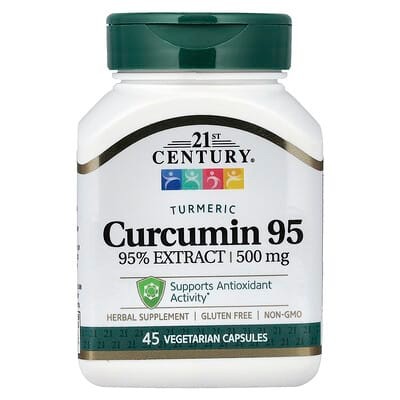
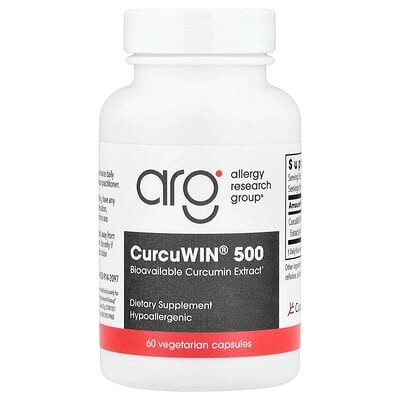
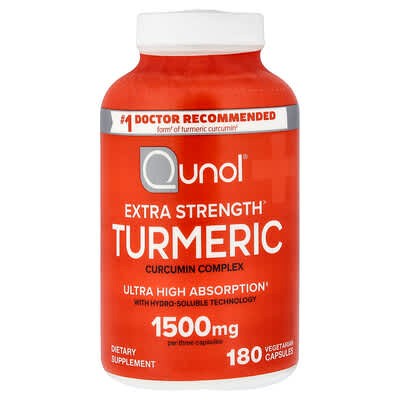
Turmeric

Description

Turmeric (Curcuma longa) is a flowering plant of the ginger family, native to Southeast Asia. Its rhizome (underground stem) is harvested, boiled, dried, and ground into the characteristic yellow powder. For centuries, turmeric has been a staple in Ayurvedic and traditional Chinese medicine, valued for its purported medicinal properties, as well as a popular culinary spice, imparting flavor and color to dishes. The main bioactive compounds in turmeric are curcuminoids, with curcumin being the most significant. Curcumin is a powerful antioxidant, helping to neutralize free radicals and stimulate the body's own antioxidant enzymes. It is also known for its strong anti-inflammatory effects, which are thought to occur through its ability to inhibit various molecules involved in inflammation pathways. Modern scientific research supports many of the traditional uses of turmeric, particularly its benefits for joint health, digestive comfort, and skin health. However, curcumin has poor bioavailability on its own, meaning it's not well absorbed into the bloodstream. Therefore, it is often combined with other substances, such as black pepper extract (containing piperine), to significantly enhance its absorption and effectiveness.

Sources
Curcuma longa plant (rhizome)Southeast Asia
Cheapest Turmeric supplements
Compare the most affordable Turmeric supplements to find the best value for your needs.
Best Turmeric supplements
Discover the top-rated turmeric supplements, compared for potency, absorption, and value, to help you make an informed choice for your health.
Value Turmeric supplements
Discover top-rated turmeric supplements offering the best value, comparing quality, price, and potency to help you make an informed choice for your health.
Timing & Intake
AnytimeWith foodTake with Fat-containing meal (to enhance absorption)
Often taken with food to improve the absorption of curcumin and minimize potential stomach upset. Combining with healthy fats or a bioavailability enhancer (like piperine, if available) is recommended.
Optimal Dosage
Minimum500 mg
Maximum2000 mg
Safety & Toxicity
Price per product
Average$27.01
Median$22.94
Price per serving
Average$0.63
Median$0.56
Price per 100 mg
Average$0.80
Median$0.31
Price distribution
Price per serving distribution
Price per 100 mg
Reference amount: 100 mg
Forms
Paired ingredients
Curcuminoids (48)88
Curcuminoids are the primary phenolic compounds and active principles derived from the rhizome of Turmeric (Curcuma longa). This mixture of compounds, predominantly curcumin, demethoxycurcumin, and bisdemethoxycurcumin, is recognized for its potent antioxidant and anti-inflammatory effects. While highly beneficial, curcuminoids generally exhibit poor bioavailability on their own, meaning they are not well-absorbed into the bloodstream without enhancement strategies.
Pros
  • Contains the main active compounds responsible for turmeric's benefits
  • Potent antioxidant properties
  • Strong anti-inflammatory effects
  • Well-researched for various health applications
Cons
  • Poor natural bioavailability, requiring high doses or absorption enhancers
  • Can cause mild digestive upset in some individuals
Per product
Avg$29.63
Med$25.49
Per serving
Avg$0.55
Med$0.40
Per 100 mg
Avg$0.08
Med$0.06
Price distribution
Total Curcuminoids (10)88
Total Curcuminoids denotes the sum of curcumin, demethoxycurcumin, and bisdemethoxycurcumin, the primary bioactive compounds in turmeric. Supplements standardized to 'Total Curcuminoids' typically ensure a consistent and potent dose of these beneficial compounds, which are largely responsible for turmeric's antioxidant and anti-inflammatory properties. Similar to isolated curcuminoids, their natural bioavailability can be low, often necessitating formulation with absorption enhancers.
Pros
  • Standardized to provide a consistent dose of all main active compounds
  • Potent antioxidant and anti-inflammatory properties
  • Allows for targeted dosing based on research
Cons
  • Inherent poor bioavailability requires specific formulations for optimal absorption
  • May lack other beneficial compounds present in whole turmeric
Per product
Avg$45.22
Med$37.30
Per serving
Avg$0.33
Med$0.31
Per 100 mg
Avg$0.15
Med$0.10
Price distribution
Curcumin (4)90
Curcumin is the primary and most extensively studied curcuminoid found in turmeric. It is a powerful polyphenol known for its significant anti-inflammatory, antioxidant, and potential anticancer properties. Despite its impressive therapeutic potential, curcumin suffers from low systemic bioavailability due to poor absorption, rapid metabolism, and quick elimination. Many modern formulations aim to overcome this challenge by enhancing its absorption through various delivery systems.
Pros
  • The most potent and well-researched active compound in turmeric
  • Strong anti-inflammatory and antioxidant effects
  • Extensive scientific literature supporting its diverse health benefits
Cons
  • Very poor natural bioavailability, limiting its effectiveness without specialized formulations
  • Can be rapidly metabolized and excreted
Per product
Avg$43.63
Med$39.00
Per serving
Avg$0.97
Med$0.94
Per 100 mg
Avg$0.21
Med$0.18
Price distribution
fresh Turmeric rhizome juice (2)60
Fresh Turmeric rhizome juice is obtained by pressing or juicing raw turmeric rhizomes. This form retains the natural enzymes, vitamins, minerals, and a broad spectrum of phytochemicals found in the whole plant. While it offers a 'whole food' approach to consuming turmeric, the concentration of active curcuminoids is much lower compared to extracts or isolated compounds. The bioavailability of curcuminoids in this raw, unformulated state is generally poor, similar to powdered turmeric, but it benefits from the presence of the entire natural matrix which may offer synergistic effects.
Pros
  • Contains the full spectrum of natural compounds, including enzymes, vitamins, and minerals
  • Can be easily incorporated into fresh beverages and recipes
  • Offers a 'whole food' approach to turmeric consumption
Cons
  • Low concentration of active curcuminoids compared to extracts
  • Poor bioavailability of curcuminoids without added fats or black pepper
  • Perishable and requires refrigeration
  • Strong flavor can be challenging for some
Per product
Avg$23.55
Med$23.55
Per serving
Avg$0.39
Med$0.39
Per 100 mg
Avg$0.08
Med$0.08
Price distribution
organic fermented Turmeric (2)75
Organic fermented Turmeric involves processing the turmeric rhizome through microbial fermentation. This process can predigest some of the turmeric compounds, potentially converting curcuminoids into more bioavailable forms (e.g., aglycones) or producing novel bioactive metabolites. Fermentation may also introduce beneficial probiotics or prebiotics, contributing to gut health and potentially enhancing overall nutrient absorption. It offers a whole-food approach to turmeric consumption with potentially improved absorption compared to raw powder, though standardization of curcuminoid content can vary.
Pros
  • Potential for enhanced bioavailability of curcuminoids due to fermentation
  • May introduce beneficial probiotics or prebiotics, supporting gut health
  • Retains a broader spectrum of turmeric's natural compounds
  • Organic certification ensures freedom from synthetic pesticides and fertilizers
Cons
  • Curcuminoid content may not be standardized or as concentrated as extracts
  • Effectiveness can vary depending on the specific fermentation process
  • Less research on the bioavailability enhancement compared to highly specialized curcumin formulations
Per product
Avg$22.93
Med$22.93
Per serving
Avg$0.57
Med$0.57
Per 1000 mg
Avg$0.47
Med$0.47
Price distribution
organic Turmeric root extract (2)80
Organic Turmeric root extract is a concentrated preparation made from the rhizome of the turmeric plant, ensuring it meets organic farming standards. This form typically involves extraction processes (like CO2 or alcohol extraction) that aim to concentrate the active curcuminoids and other beneficial compounds from the raw plant material. While often more potent than simple turmeric powder, the bioavailability of the curcuminoids still depends on whether it's formulated with absorption enhancers. The 'organic' designation ensures it's grown without synthetic pesticides or fertilizers.
Pros
  • Concentrated source of turmeric's beneficial compounds, including curcuminoids
  • Organic certification ensures purity and absence of synthetic chemicals
  • More potent than raw turmeric powder for targeted effects
Cons
  • Bioavailability of curcuminoids can still be an issue if not formulated with enhancers
  • May not contain the full spectrum of compounds found in whole turmeric
  • Potency can vary depending on the extraction and standardization method
Per product
Avg$22.93
Med$22.93
Per serving
Avg$0.57
Med$0.57
Per 1000 mg
Avg$0.47
Med$0.47
Price distribution
Turmeric Rhizome Extract (2)82
Turmeric Rhizome Extract is a concentrated preparation derived from the rhizome of the Curcuma longa plant, which is the part of the plant most abundant in active compounds. These extracts are often standardized to contain a specific percentage of curcuminoids, ensuring a consistent and potent dose. The extraction process removes much of the fibrous material, leading to a product with a higher concentration of beneficial compounds than raw turmeric powder. However, like other non-enhanced curcuminoid forms, its inherent bioavailability can be low without specific formulation strategies.
Pros
  • Concentrated source of active curcuminoids and other beneficial compounds
  • Often standardized to ensure consistent potency
  • More potent than unextracted turmeric powder
Cons
  • Curcuminoid bioavailability can still be low without absorption enhancers
  • May lack the full spectrum of compounds found in whole turmeric rhizome
  • Quality and standardization can vary between products
Per product
Avg$24.47
Med$24.47
Per serving
Avg$0.22
Med$0.22
Per 1000 mg
Avg$0.30
Med$0.30
Price distribution
Total Curcuminoids Complex (1)88
Curcuminoids are the primary phenolic compounds and active principles derived from the rhizome of Turmeric (Curcuma longa). This mixture of compounds, predominantly curcumin, demethoxycurcumin, and bisdemethoxycurcumin, is recognized for its potent antioxidant and anti-inflammatory effects. While highly beneficial, curcuminoids generally exhibit poor bioavailability on their own, meaning they are not well-absorbed into the bloodstream without enhancement strategies.
Pros
  • Contains the main active compounds responsible for turmeric's benefits
  • Potent antioxidant properties
  • Strong anti-inflammatory effects
  • Well-researched for various health applications
Cons
  • Poor natural bioavailability, requiring high doses or absorption enhancers
  • Can cause mild digestive upset in some individuals
Per product
Avg$18.00
Med$18.00
Per serving
Avg$0.30
Med$0.30
Per 100 mg
Avg$0.08
Med$0.08
Price distribution