Impact
High effect
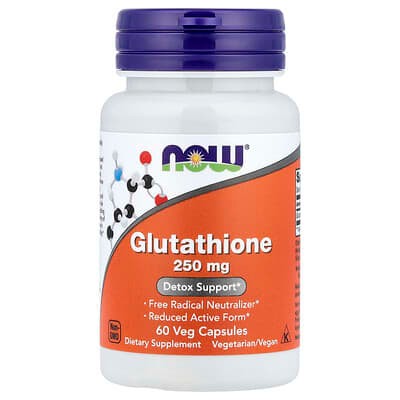
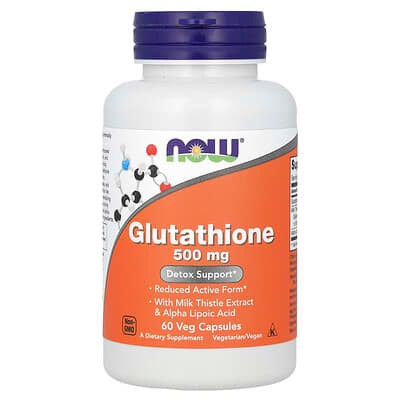
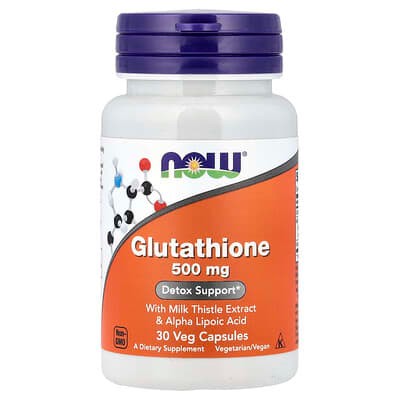
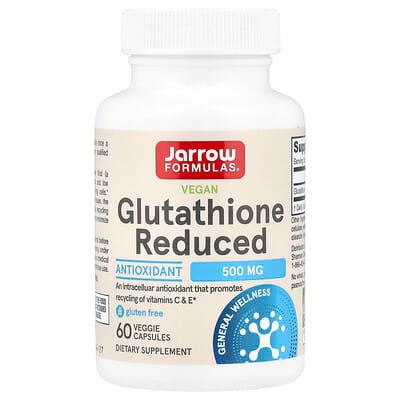
Typical dose:250–1000 mg
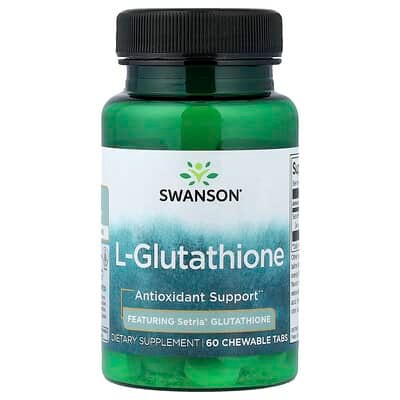
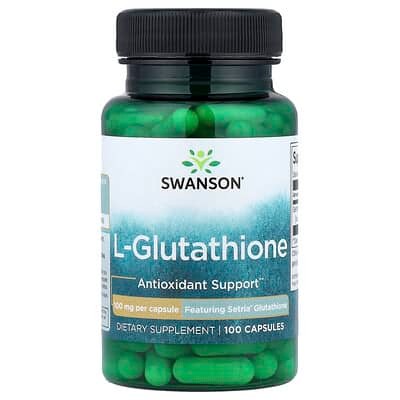
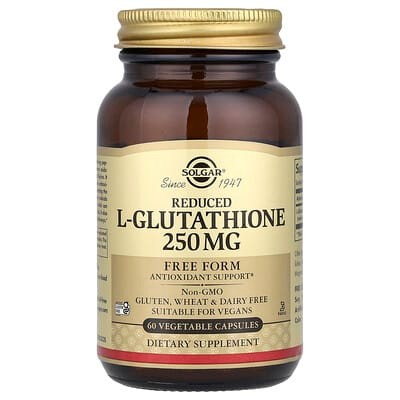
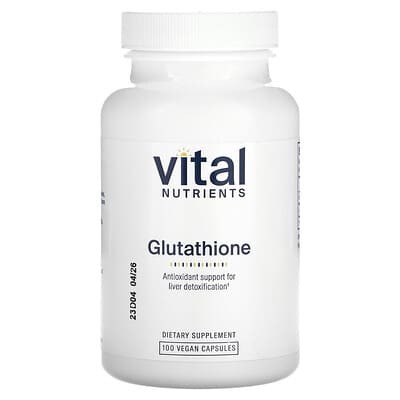
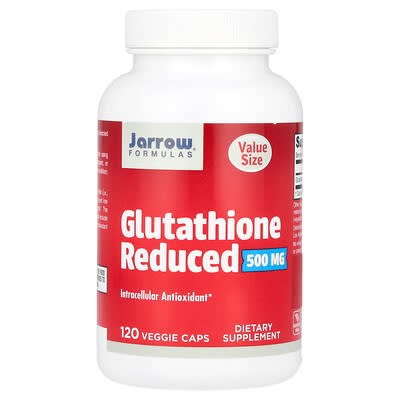
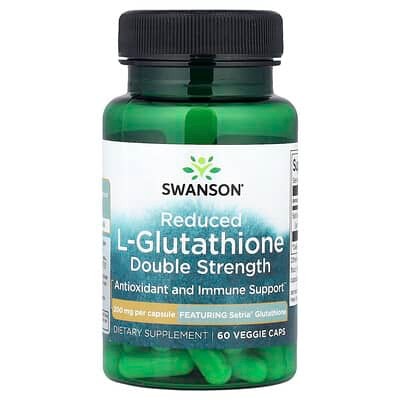
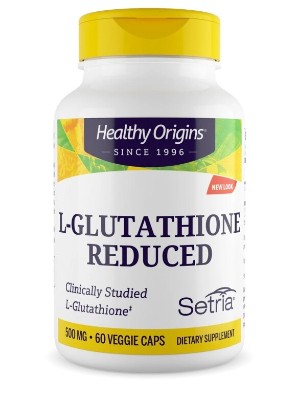
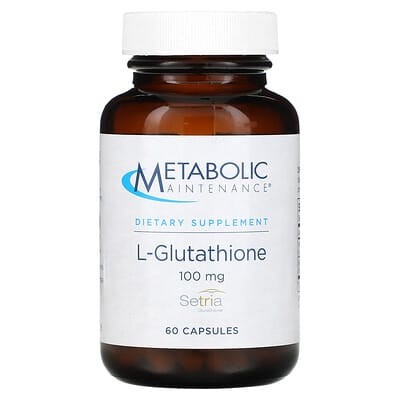
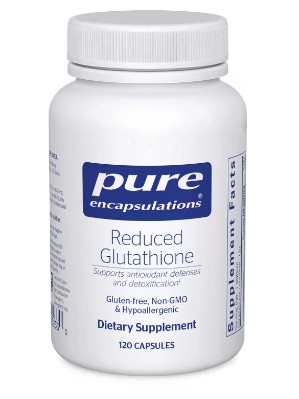
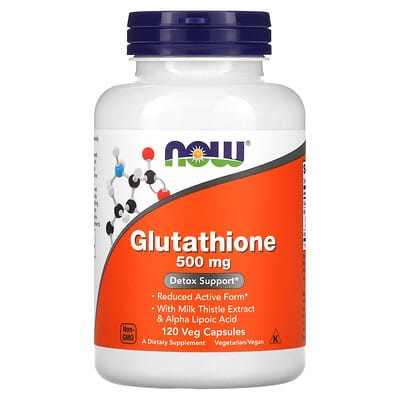
Glutathione is crucial for cellular defense against oxidative stress, a primary driver of chronic inflammation. Supplementing directly (with a bioavailable form) bolsters the body's ability to quench inflammatory fires, protecting cells from damage and supporting detoxification pathways.
Study evidence
2 studiesGlutathione has mixed, limited evidence for reducing inflammation in people with specific illnesses. Improvements during liver-disease treatment contrast with no clear added benefit in chronic lung disease, leaving general anti-inflammatory effects from ordinary glutathione supplements uncertain.
View goal