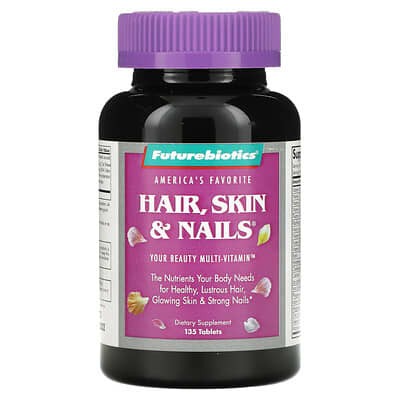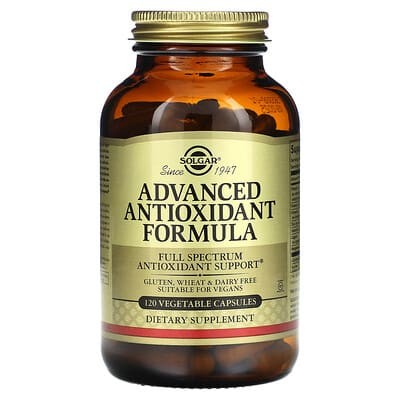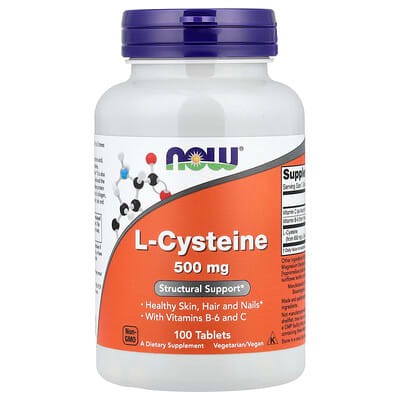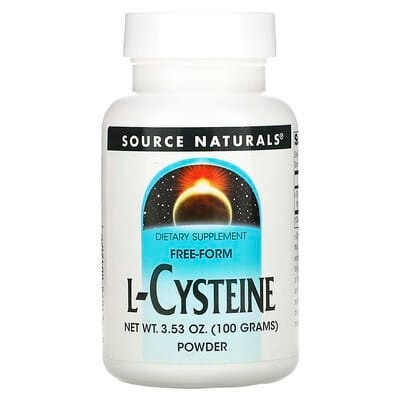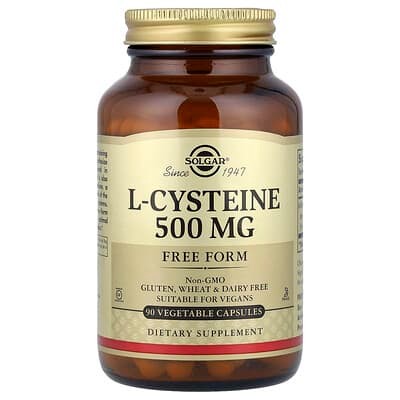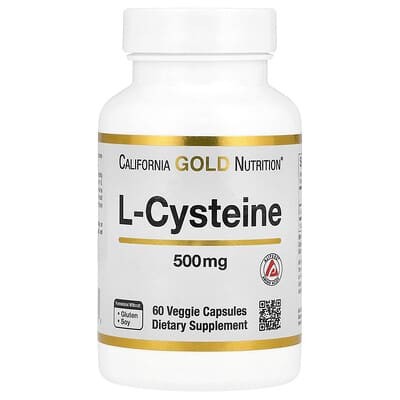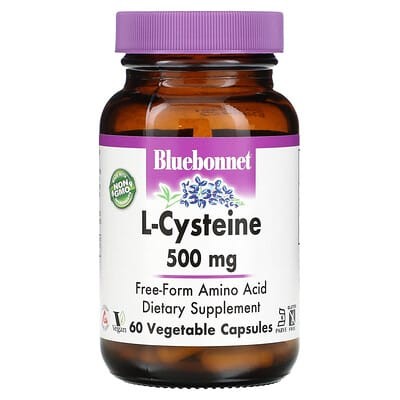
Supplementing directly with glutathione is often inefficient due to poor absorption. Providing the building blocks is a more effective strategy. Cysteine is a rate-limiting precursor to glutathione synthesis, so supplementing with it directly supports the body's ability to produce its own powerful antioxidant protection, combating a primary driver of aging.
- Focuses on
- Most relevant for
- Individuals seeking to support their body's internal antioxidant production through glutathione precursors.
Potential benefits
- Glutathione Synthesis Support.Unconfirmed. Cysteine is a rate-limiting precursor for glutathione, a major cellular antioxidant, though its direct impact on slowing the aging process is currently unproven.
- Potential Synergy.Unconfirmed. When combined with glycine, it may help address age-related oxidative stress and physical function in older adults, but these benefits are not established for cysteine alone.
Limitations
- Lack of Standalone Evidence.Most clinical research on aging focuses on derivatives like N-acetylcysteine (NAC) or amino acid combinations rather than pure cysteine.
- Unproven Longevity Effects.Human data does not currently demonstrate that cysteine supplementation can extend lifespan or reverse the hallmarks of biological aging.
- Observational Health Risks.Large-scale dietary studies have associated high intake of sulfur amino acids with an increased risk of diabetes-related mortality.
Things to consider
High dietary intake of sulfur amino acids, including cysteine, has been linked to increased diabetes mortality in observational research.
Study evidence
2 studiesThe supplied evidence does not establish cysteine alone as an anti-aging supplement. A combination containing glycine and N-acetylcysteine improved some age-related measures in older adults, but those findings cannot be attributed to cysteine or interpreted as proof of longer life.