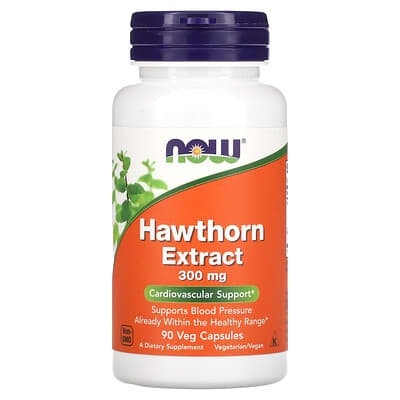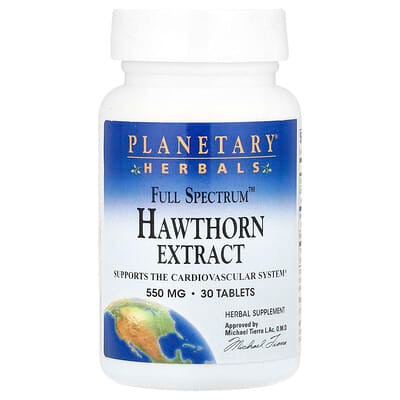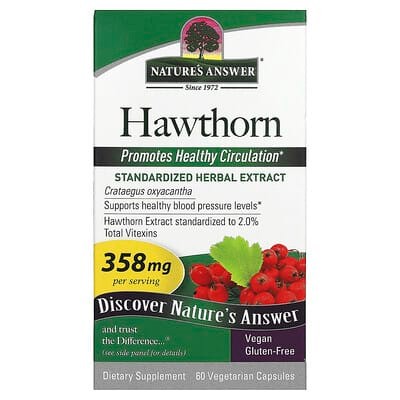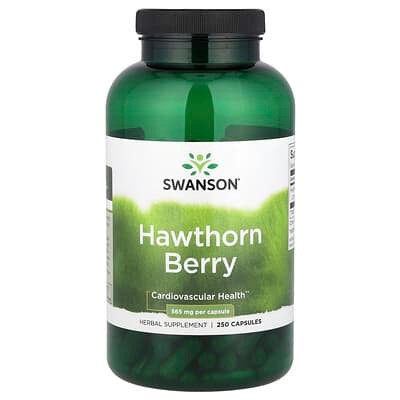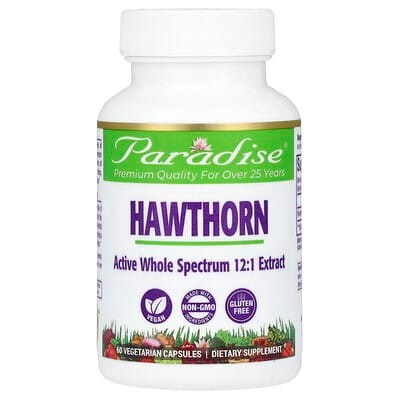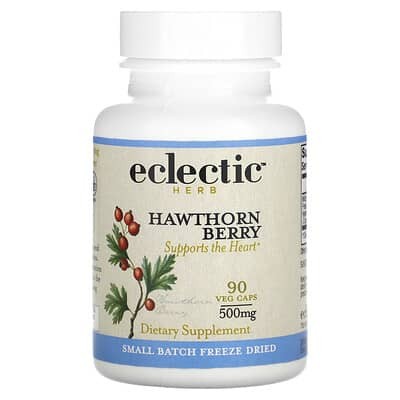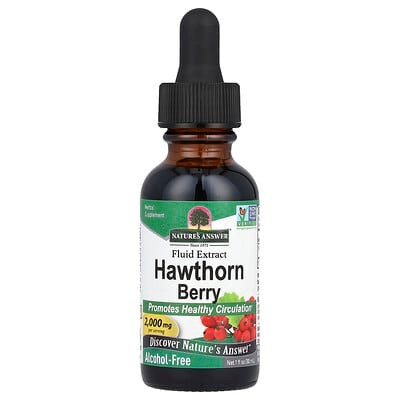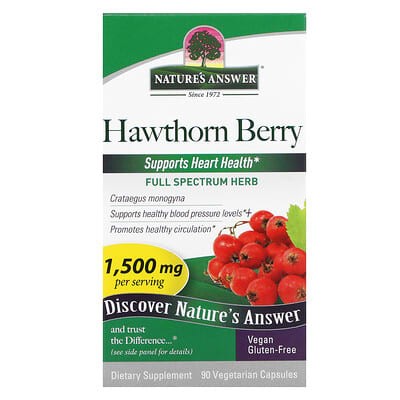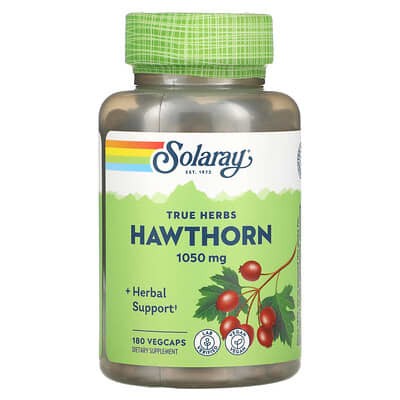
Hawthorn

Description

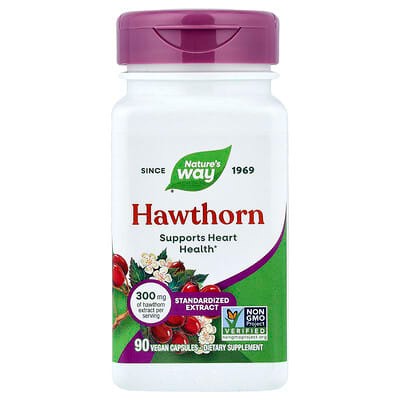
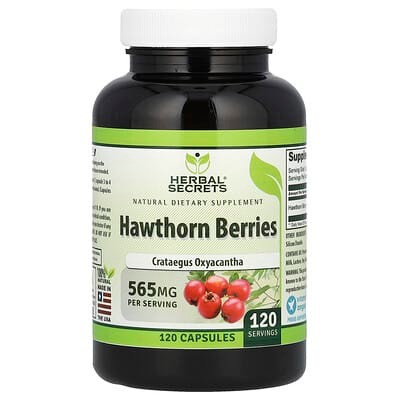
Hawthorn (Crataegus species) is a genus of thorny shrubs and trees native to temperate regions of the Northern Hemisphere, particularly North America, Europe, and Asia. Its berries, leaves, and flowers have been utilized for centuries in traditional herbal medicine, primarily for their purported benefits to the heart and circulatory system. It has been a staple in European folk medicine for treating various heart-related complaints. The therapeutic properties of Hawthorn are largely attributed to its rich content of bioactive compounds, most notably flavonoids (such as vitexin, hyperoside, and rutin) and oligomeric proanthocyanidins (OPCs). These compounds are potent antioxidants that help protect cells from oxidative stress. Mechanisms of action are thought to include improving coronary blood flow, mild positive inotropic effects (strengthening heart contractions), vasodilation, and modulating blood pressure. Modern scientific research has increasingly focused on Hawthorn's potential to support cardiovascular health. Studies suggest its beneficial effects on heart muscle function, blood vessel integrity, and blood pressure regulation. It is often used as a supportive botanical for individuals seeking to maintain a healthy heart and circulatory system, although it is not a substitute for conventional medical treatment.

Sources
Berries of the Hawthorn shrub/treeLeaves of the Hawthorn shrub/treeFlowers of the Hawthorn shrub/tree
Cheapest Hawthorn supplements
Compare the most affordable Hawthorn supplements to support Heart Health and Cardiovascular Support.
Best Hawthorn supplements
Discover the best Hawthorn supplements to support your heart health and cardiovascular well-being.
Value Hawthorn Supplements for Heart Health
Explore and compare value Hawthorn botanical supplements, carefully selected for their ability to support heart health and promote cardiovascular well-being.
Timing & Intake
AnytimeWith foodTake with May be taken with a meal to minimize potential stomach upset.
Often taken daily for consistent cardiovascular support.
Optimal Dosage
Minimum250 mg
Maximum500 mg
Safety & Toxicity
Interactions

Positive Interactions

Magnesium
Magnesium is crucial for heart health and blood pressure regulation, complementing Hawthorn's cardiovascular effects.
Potassium
Potassium helps balance fluids and maintain healthy blood pressure, working synergistically with Hawthorn for cardiovascular support.
Coenzyme Q-10
CoQ10 is vital for cellular energy production in the heart, and its antioxidant properties can complement Hawthorn's cardiovascular benefits.
Arginine
Arginine is a precursor to nitric oxide, which promotes vasodilation, potentially enhancing Hawthorn's effects on blood flow and blood pressure.
Omega-3
Omega-3 fatty acids support overall cardiovascular health, including healthy blood pressure and inflammation, which can complement Hawthorn's actions.
Vitamin C
A powerful antioxidant that supports cardiovascular health and blood vessel integrity, potentially enhancing the antioxidant effects of Hawthorn's flavonoids.
Vitamin E
Another antioxidant vitamin that protects cells from oxidative stress, complementing Hawthorn's antioxidant profile.
Resveratrol
Known for its cardiovascular and antioxidant properties, Resveratrol can work synergistically with Hawthorn to support heart health.
Turmeric
Turmeric, through its active compound Curcumin, offers anti-inflammatory and antioxidant properties that can support overall cardiovascular health, complementing Hawthorn.
Ginkgo
Ginkgo is known for improving blood circulation, which could complement Hawthorn's positive effects on the cardiovascular system.
Price per product
Average$24.07
Median$21.27
Price per serving
Average$0.59
Median$0.61
Price per 100 mg
Average$1.10
Median$0.38
Price distribution
Price per serving distribution
Price per 100 mg
Reference amount: 100 mg
Forms
Paired ingredients
Vitexin (8)90
Vitexin-2”-O-Rhamnoside is a major bioflavonoid present in Hawthorn (Crataegus species), particularly in the leaves and flowers. It is one of the active constituents believed to contribute significantly to Hawthorn's cardiovascular benefits, including antioxidant effects, vasodilation, and positive inotropic action, supporting heart muscle function.
Pros
  • Specific active compound, directly linked to cardiovascular benefits
  • Well-studied and recognized for its therapeutic effects
  • High bioavailability for targeted action
Cons
  • Typically isolated, potentially missing synergistic effects of the whole plant
Per product
Avg$19.38
Med$15.60
Per serving
Avg$0.71
Med$0.26
Per 100 mg
Avg$0.44
Med$0.14
Price distribution
Vitexin-2”-O-Rhamnoside (5)90
Vitexin-2”-O-Rhamnoside is a major bioflavonoid present in Hawthorn (Crataegus species), particularly in the leaves and flowers. It is one of the active constituents believed to contribute significantly to Hawthorn's cardiovascular benefits, including antioxidant effects, vasodilation, and positive inotropic action, supporting heart muscle function.
Pros
  • Specific active compound, directly linked to cardiovascular benefits
  • Well-studied and recognized for its therapeutic effects
  • High bioavailability for targeted action
Cons
  • Typically isolated, potentially missing synergistic effects of the whole plant
Per product
Avg$15.59
Med$14.84
Per serving
Avg$0.21
Med$0.22
Per 100 mg
Avg$0.04
Med$0.05
Price distribution
Vitexins (5)90
Vitexin-2”-O-Rhamnoside is a major bioflavonoid present in Hawthorn (Crataegus species), particularly in the leaves and flowers. It is one of the active constituents believed to contribute significantly to Hawthorn's cardiovascular benefits, including antioxidant effects, vasodilation, and positive inotropic action, supporting heart muscle function.
Pros
  • Specific active compound, directly linked to cardiovascular benefits
  • Well-studied and recognized for its therapeutic effects
  • High bioavailability for targeted action
Cons
  • Typically isolated, potentially missing synergistic effects of the whole plant
Per product
Avg$91.79
Med$85.00
Per serving
Avg$2.38
Med$2.41
Per 10 mg
Avg$0.40
Med$0.43
Price distribution
Crataegus monogyna (2)75
Crataegus monogyna Jacq. berry extract contains various beneficial compounds, including oligomeric proanthocyanidins (OPCs) and some flavonoids. While the berries are a traditional part of Hawthorn's use, the concentration of certain key flavonoids like vitexin may be lower compared to leaf and flower extracts. It contributes to antioxidant and general cardiovascular support.
Pros
  • Traditional use for general heart wellness
  • Contains antioxidants to protect cells
  • May offer a different profile of beneficial compounds compared to leaf/flower extracts
Cons
  • Potentially lower concentration of key flavonoids compared to leaf/flower extracts
  • Less research on specific berry extract standardization for significant cardiovascular conditions
Per product
Avg$16.87
Med$16.87
Per serving
Avg$0.36
Med$0.36
Per 1000 mg
Avg$0.44
Med$0.44
Price distribution
Flavonoids (2)85
Hawthorn's therapeutic effects are largely attributed to its flavonoid content, which includes compounds like vitexin, hyperoside, rutin, and quercetin. These flavonoids exert antioxidant, anti-inflammatory, and vasodilatory actions, contributing to improved heart muscle function, increased coronary blood flow, and protection against oxidative stress.
Pros
  • Represents the key active components of Hawthorn
  • Acts synergistically to provide a broad range of beneficial effects
  • Supports improved coronary blood flow and antioxidant defense
Cons
  • "Flavonoids" is a broad term; specific concentrations and types are crucial for optimal efficacy
  • May be part of an extract rather than isolated, with varying potency
Per product
Avg$15.36
Med$15.36
Per serving
Avg$0.21
Med$0.21
Per 100 mg
Avg$0.05
Med$0.05
Price distribution
Crataegus monogyna Jacq. Flower Extract (1)88
Crataegus monogyna Jacq. flower extract is highly valued for its concentration of flavonoids, including vitexin and hyperoside, and proanthocyanidins. These compounds are associated with Hawthorn's beneficial effects on heart health, such as improving coronary blood flow, reducing blood pressure, and enhancing myocardial contractility.
Pros
  • Rich in key flavonoids and proanthocyanidins
  • Well-studied and commonly used in standardized heart health products
  • Supports improved coronary blood flow and myocardial contractility
Cons
  • Potential for interactions with certain heart medications
Per product
Avg$12.74
Med$12.74
Per serving
Avg$0.84
Med$0.84
Per 1000 mg
Avg$0.14
Med$0.14
Price distribution
Crataegus monogyna Jacq. Leaf Extract (1)88
Crataegus monogyna Jacq. leaf extract is a potent source of active compounds, including flavonoids (e.g., vitexin, rutin, quercetin) and oligomeric proanthocyanidins (OPCs). These components are well-researched for their positive effects on the cardiovascular system, such as improving heart muscle function, dilating blood vessels, and acting as antioxidants.
Pros
  • High concentration of active flavonoids and OPCs
  • Extensively studied for cardiovascular benefits
  • Often combined with flower extracts for comprehensive action
Cons
  • Potential for interactions with certain heart medications
Per product
Avg$12.74
Med$12.74
Per serving
Avg$0.84
Med$0.84
Per 1000 mg
Avg$0.14
Med$0.14
Price distribution