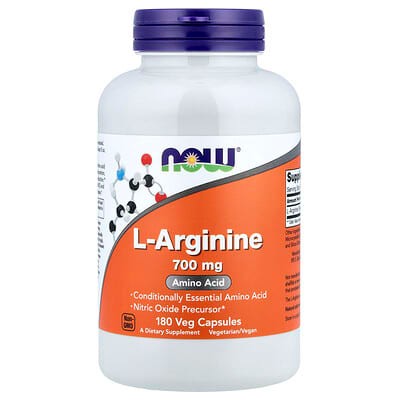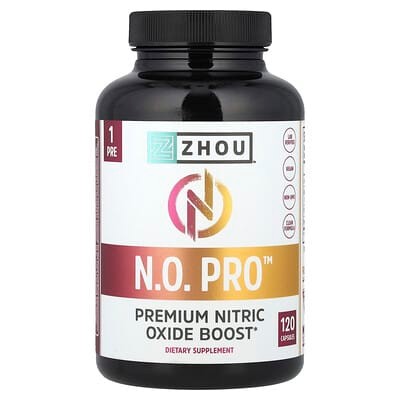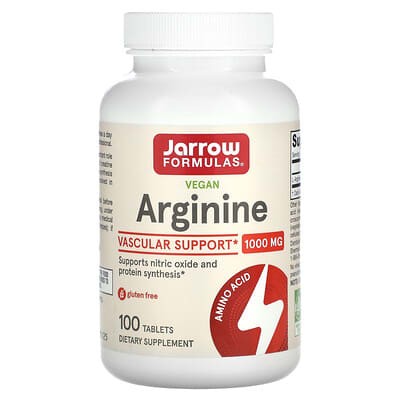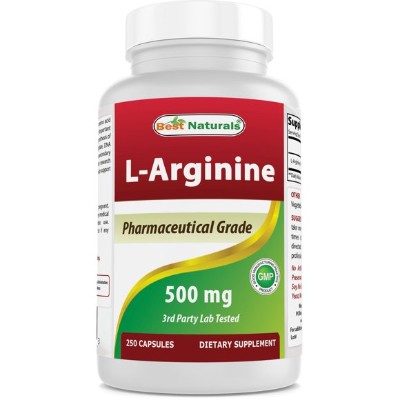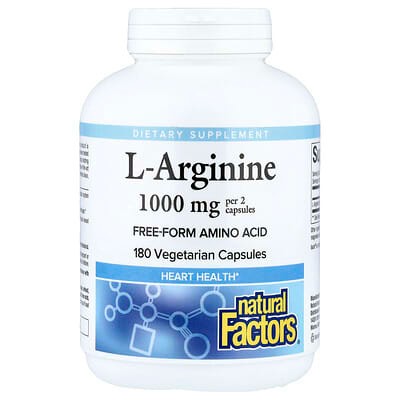
Arginine

amino acid

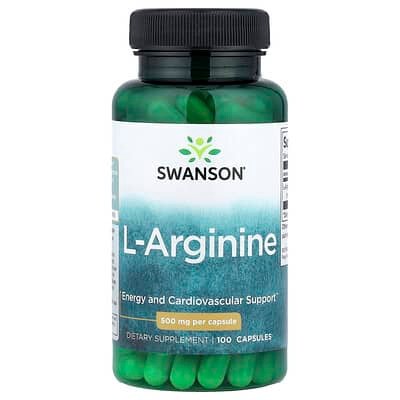
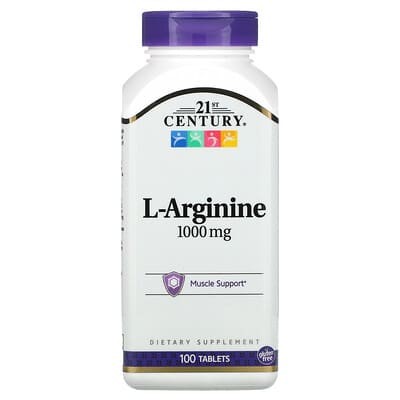
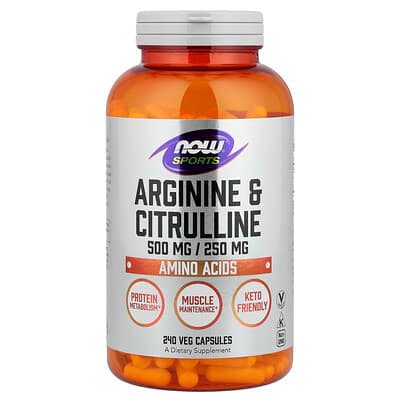
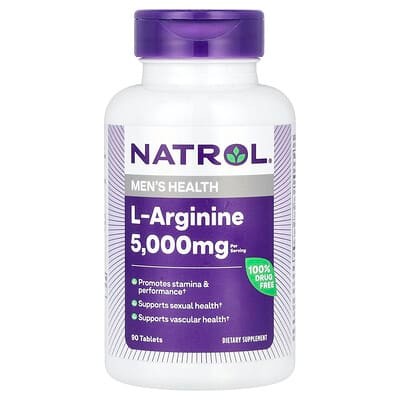
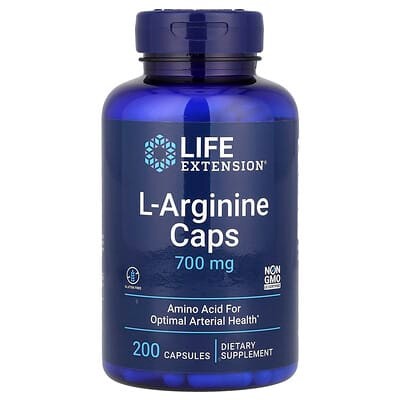
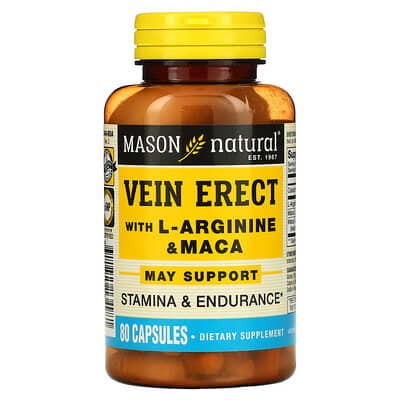
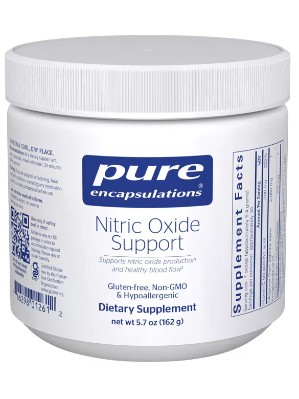
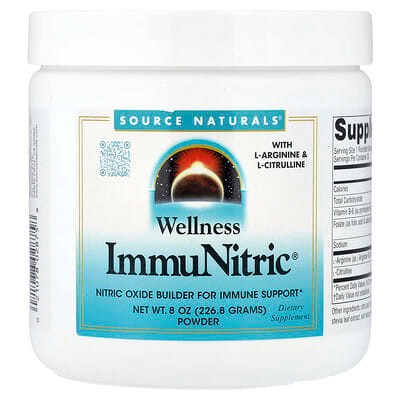
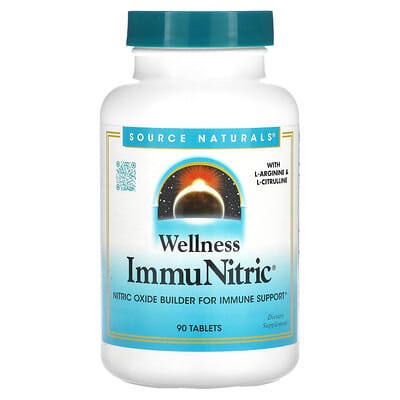
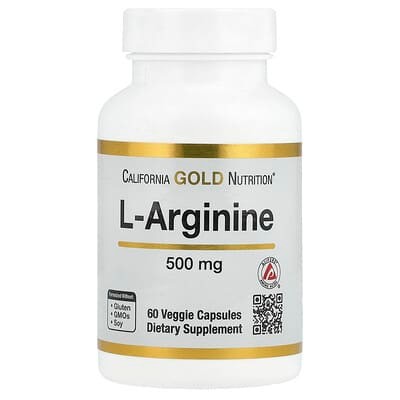
Arginine is a conditionally essential amino acid, meaning that while the body typically produces it, supplementation may be helpful during times of stress, rapid growth, or illness. It serves as a precursor to nitric oxide, a signaling molecule that promotes vasodilation to help relax and widen blood vessels, which supports cardiovascular health. Beyond its role in nitric oxide synthesis, arginine is involved in protein synthesis, which supports muscle growth and repair. It also plays a role in the urea cycle, facilitating the removal of ammonia from the body. Furthermore, arginine supports immune function by assisting immune cell activity and supports tissue regeneration and wound healing after injuries or surgery. In sports nutrition, arginine is often used for its potential to improve exercise performance and shorten recovery time by improving blood flow and nutrient delivery to muscles. It also contributes to hormone secretion, including growth hormone. Arginine is found in protein-rich diets and is commonly available as a dietary supplement.

Natural sources
Red meatPoultryFishDairy products (milk, yogurt, cheese)Nuts (peanuts, almonds, walnuts)Seeds (pumpkin seeds, sesame seeds)Legumes (soybeans, chickpeas, lentils)Whole grains

Ingredient forms

No public comparison lists found.

Optimal Dosage
Minimum2000 mg
Maximum6000 mg
Safety & Toxicity
6 safety notes
  • Individuals with herpes simplex virus should use Arginine with caution, as it may potentially trigger outbreaks.
  • Avoid use prior to surgery due to its potential impact on blood pressure and bleeding risk.
  • Not recommended for individuals with low blood pressure, severe liver disease, or kidney disease without medical supervision.
  • Pregnant or nursing women should consult a healthcare professional before use.
  • Individuals with a history of heart attack should avoid Arginine supplements due to potential risks.
  • May interact with medications that affect blood pressure, blood clotting, or glucose levels.
Goals
Cardiovascular Support
Impact
Highest effect
Typical dose:2–9 g
L-Arginine is a critical substrate for nitric oxide synthase (NOS), the enzyme responsible for producing nitric oxide (NO). NO is a potent vasodilator, meaning it helps relax and widen blood vessels. This improved vasodilation supports healthy blood pressure, enhances circulation throughout the body, and contributes to overall cardiovascular well-being.

Study evidence

47 studies

Arginine may lower blood pressure and improve some measures of blood vessel function, particularly when function is impaired. However, results vary, protection against cardiovascular events is unproven, and adverse findings in people with cardiovascular risk prevent a broad claim of benefit.

View goal

Fitness
Impact
High effect
Typical dose:3–8 g
Enhanced nitric oxide production from Arginine leads to increased blood flow to working muscles during exercise. This improved circulation facilitates better delivery of oxygen and nutrients, while simultaneously aiding in the removal of metabolic byproducts like lactic acid. The result can be enhanced endurance, reduced fatigue, and improved overall athletic performance and recovery.

Study evidence

23 studies

Arginine has mixed evidence for improving fitness: pooled research suggests possible benefits for exercise capacity, but many trials show no improvement in strength or endurance, particularly in trained athletes. Changes in blood flow or metabolism do not consistently translate into better performance.

View goal
Energy
Impact
Moderate effect
Typical dose:2000–6000 mg
Arginine's ability to boost nitric oxide production leads to improved circulation, ensuring that cells throughout the body receive a more efficient supply of oxygen and vital nutrients. This optimized delivery supports the metabolic processes responsible for energy generation, potentially reducing feelings of fatigue and promoting sustained energy levels for daily activities and physical exertion.

Study evidence

7 studies

Arginine may improve some exercise performance measures, but the available evidence does not establish a reliable increase in everyday energy or relief from fatigue. Results vary, and favorable findings from combination products cannot be attributed to arginine alone.

View goal
Muscle Gain
Impact
Moderate effect
Typical dose:3–8 g
While not a direct anabolic agent, Arginine contributes to muscle gain indirectly. Its role in boosting nitric oxide enhances blood flow, ensuring muscles receive ample oxygen, amino acids, and glucose necessary for repair and growth post-exercise. Furthermore, Arginine can stimulate the release of growth hormone (GH), which plays a significant role in muscle protein synthesis and tissue regeneration.

Study evidence

3 studies

Arginine has limited and inconsistent evidence for supporting muscle gain. Research in experienced male lifters suggests a possible improvement in muscle mass, but other training studies found no added benefit for muscle power or strength, leaving a dependable muscle-building effect uncertain.

View goal

Studies

Research connections will load here.
Sources

Up to five highest-ranked published examples per goal. Study counts and charts include all published studies for the connection.

  1. Reassessment of the effect of oral l-arginine on blood pressure: A systematic review and meta-analysis based on ambulatory blood pressure monitoring.
    Shi Y; Liu Y; Zhou Z; Xu S; Luo P · Nitric oxide : biology and chemistry · 2026
    Meta-analysis202 participants5 studies pooledCardiovascular Support
  2. Effect of Long-Term L-Arginine Supplementation on Arterial Compliance and Metabolic Parameters in Patients with Multiple Cardiovascular risk Factors: Randomized, Placebo-Controlled Study.
    Guttman H; Zimlichman R; Boaz M; Matas Z; Shargorodsky M · Journal of cardiovascular pharmacology · 2024
    Randomized trial90 participantsCardiovascular Support
  3. Increase in fasting vascular endothelial function after short-term oral L-arginine is effective when baseline flow-mediated dilation is low: a meta-analysis of randomized controlled trials.
    Bai Y; Sun L; Yang T; Sun K; Chen J; Hui R · The American journal of clinical nutrition · 2009
    Meta-analysis492 participants13 studies pooledCardiovascular Support
  4. L-arginine improves endothelial function and reduces LDL oxidation in patients with stable coronary artery disease.
    Yin WH; Chen JW; Tsai C; Chiang MC; Young MS; Lin SJ · Clinical nutrition (Edinburgh, Scotland) · 2006
    Randomized trial31 participantsCardiovascular Support
  5. Oral L-Arginine Administration Improves Anthropometric and Biochemical Indices Associated With Cardiovascular Diseases in Obese Patients: A Randomized, Single Blind Placebo Controlled Clinical Trial.
    Dashtabi A; Mazloom Z; Fararouei M; Hejazi N · Research in cardiovascular medicine · 2016
    Randomized trial90 participantsCardiovascular Support
  6. The effect of L-arginine supplementation on maximal oxygen uptake: A systematic review and meta-analysis.
    Rezaei S; Gholamalizadeh M; Tabrizi R; Nowrouzi-Sohrabi P; Rastgoo S; Doaei S · Physiological reports · 2021
    Meta-analysis11 studies pooledFitness
  7. L-Arginine Enhances the Effects of Cardiac Rehabilitation on Physical Performance: New Insights for Managing Cardiovascular Patients During the COVID-19 Pandemic.
    Mone P; Izzo R; Marazzi G; Manzi MV; Gallo P; Campolongo G; Cacciotti L; Tartaglia D; Caminiti G; Varzideh F; Santulli G; Trimarco V · The Journal of pharmacology and experimental therapeutics · 2022
    Clinical trialFitness
  8. THE EFFECT OF A SINGLE ORAL DOSE OF L-ARGININE ON QUADRICEPS STRENGTH IN SMOKERS AND NON-SMOKERS: A NON-RANDOMIZED CLINICAL TRIAL.
    Radmilović G; Popović-Grle S; Matijević V · Acta clinica Croatica · 2025
    Non-randomized trial164 participantsFitness
  9. Efficacy of amino acids in sports nutrition- review of clinical evidences.
    Duttagupta S; Krishna Roy N; Dey G · Food research international (Ottawa, Ont.) · 2024
    Narrative reviewFitness
  10. Chronic L-arginine supplementation enhances endurance exercise tolerance in heart failure patients.
    Doutreleau S; Mettauer B; Piquard F; Rouyer O; Schaefer A; Lonsdorfer J; Geny B · International journal of sports medicine · 2006
    Non-randomized trialFitness
  11. Investigation of the effect of nitrate and L-arginine intake on aerobic, anaerobic performance, balance, agility, and recovery in elite taekwondo athletes.
    Kavcı Z; Ozan M; Buzdağlı Y; Savaş A; Uçar H · Journal of the International Society of Sports Nutrition · 2024
    Randomized trial15 participantsEnergy
  12. The Effects of Arginine-Based Supplements on Fatigue Levels following COVID-19 Infection: A Prospective Study in Romania.
    Turcu-Stiolica A; Ionele CM; Ungureanu BS; Subtirelu MS · Healthcare (Basel, Switzerland) · 2023
    Non-randomized trial505 participantsEnergy
  13. Isolated but not combined ergogenic effects of caffeine and L-arginine during an isokinetic knee extension.
    Zart S; Brachtendorf M; Becker S; Fröhlich M · Frontiers in nutrition · 2024
    Randomized trial29 participantsEnergy
  14. L-Arginine but not L-glutamine likely increases exogenous carbohydrate oxidation during endurance exercise.
    Rowlands DS; Clarke J; Green JG; Shi X · European journal of applied physiology · 2012
    Randomized trial8 participantsEnergy
  15. Effect of L-arginine on energy metabolism, skeletal muscle and brown adipose tissue in South Asian and Europid prediabetic men: a randomised double-blinded crossover study.
    Boon MR; Hanssen MJW; Brans B; Hülsman CJM; Hoeks J; Nahon KJ; Bakker C; van Klinken JB; Havekes B; Schaart G; Jazet IM; Rensen PCN; van Marken Lichtenbelt WD · Diabetologia · 2019
    Randomized trial20 participantsEnergy
  16. Oral Arginine Supplementation in Healthy Individuals Performing Regular Resistance Training.
    Busnatu ȘS; Andronic O; Pană MA; Stoian AP; Scafa-Udriște A; Păun N; Stanciu S · Healthcare (Basel, Switzerland) · 2023
    Randomized trial70 participantsMuscle Gain
  17. l-Arginine and Beetroot Extract Supplementation in the Prevention of Sarcopenia.
    Córdova-Martínez A; Caballero-García A; Bello HJ; Pons-Biescas A; Noriega DC; Roche E · Pharmaceuticals (Basel, Switzerland) · 2023
    Randomized trial66 participantsMuscle Gain
  18. Influence of nitric oxide in the improvement of muscle power.
    Bernardo DN; Bryk FF; Fucs PM · Acta ortopedica brasileira · 2016
    Randomized trial36 participantsMuscle Gain