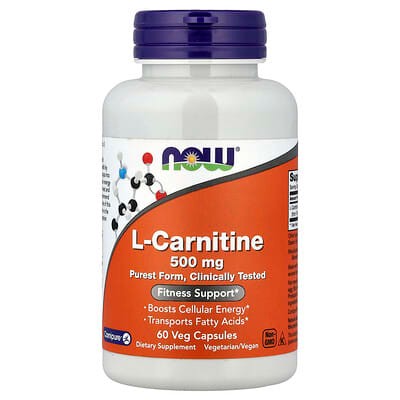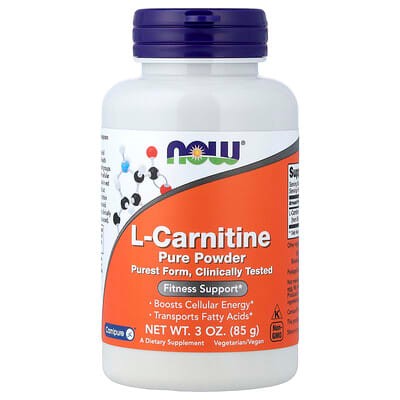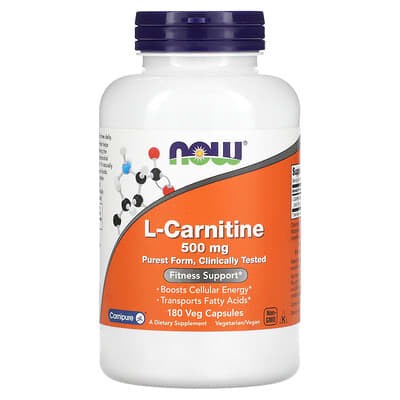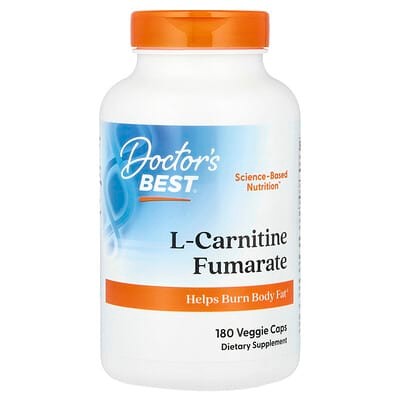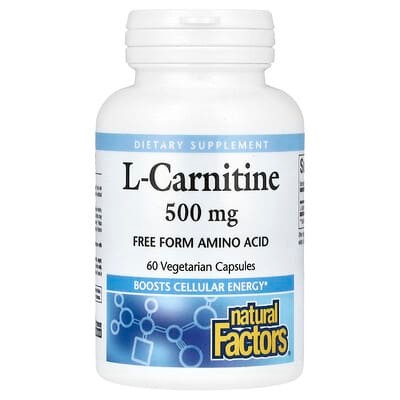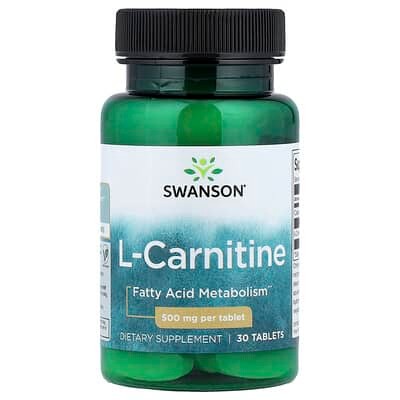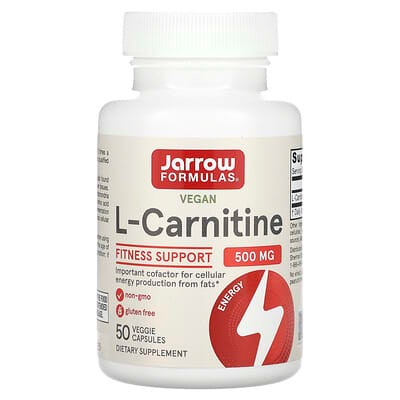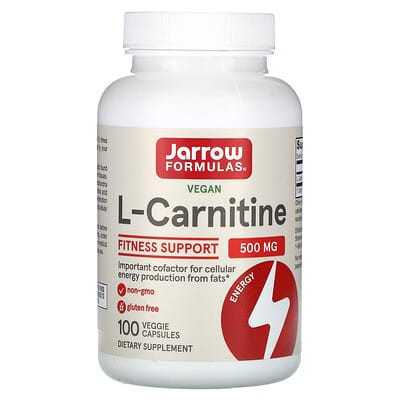
L-Carnitine

non-nutrient_non-botanical

L-Carnitine is a naturally occurring amino acid derivative that plays a key role in energy production. It is primarily responsible for transporting long-chain fatty acids into the mitochondria, where they are oxidized to produce energy. This process is essential for the function of muscles, including the heart, and is particularly important during intense physical activity. While the body can synthesize L-Carnitine from the amino acids lysine and methionine, it is also obtained through the diet, especially from animal products. It exists in various forms, such as L-Carnitine tartrate and Acetyl-L-Carnitine (ALCAR), with differences in their uses and bioavailability. ALCAR, for instance, is often favored for its potential to cross the blood-brain barrier and offer cognitive benefits. Supplementation is commonly used to support athletic performance, aid in weight management by promoting fat metabolism, and potentially improve cardiovascular health. It is also studied for its role in reducing muscle damage, speeding up recovery after exercise, and supporting overall cellular energy and antioxidant defenses.

Natural sources
Red meat (e.g., beef)PorkFish (e.g., cod, salmon)Poultry (e.g., chicken)Dairy products (e.g., milk, cheese)

No public comparison lists found.

Optimal Dosage
Minimum500 mg
Maximum2000 mg
Safety & Toxicity
Toxicity Threshold5000 mg
Toxicity EffectNausea, diarrhea, fishy odor
4 safety notes
  • Individuals with kidney disease should consult a healthcare professional before use.
  • May interact with thyroid hormones; individuals with thyroid conditions should use with caution.
  • People with seizure disorders should consult a doctor before taking L-Carnitine.
  • Pregnant or breastfeeding women should seek medical advice prior to supplementation.
Goals
Cardiovascular Support
Impact
High effect
Typical dose:500–2000 mg
The heart derives most of its energy from burning fatty acids. L-Carnitine is the essential shuttle that transports these fatty acids across the mitochondrial membrane. Supplementation supports efficient energy production, which is critical for the function of the constantly working cardiac muscle.

Study evidence

73 studies

L-Carnitine can improve selected blood-fat or heart-function measures in some clinical populations, but cardiovascular benefits are inconsistent. The evidence does not establish routine protection against heart disease, and adverse findings involving artery narrowing and gut-derived metabolites complicate the benefit–risk picture.

View goal

Fitness
Impact
Moderate effect
Typical dose:1000–3000 mg
L-Carnitine plays a role in transporting fatty acids into mitochondria to be used for energy. Evidence suggests it can reduce markers of muscle damage and decrease delayed onset muscle soreness (DOMS), allowing for more frequent and effective training.

Study evidence

52 studies

L-Carnitine may reduce exercise-related soreness and improve some high-intensity performance measures, but results in healthy people are inconsistent. Benefits in specific illnesses or with combination products do not establish a reliable general fitness benefit from ordinary L-Carnitine supplementation.

View goal
Heart Health
Impact
Situational effect
Typical dose:1000–3000 mg
By improving fatty acid metabolism, L-Carnitine can enhance energy production in the heart, which may be beneficial in conditions like angina or during recovery from a cardiac event. It helps the heart function more efficiently under metabolic stress.

Study evidence

84 studies

L-Carnitine may improve some cholesterol measures and aspects of heart function in selected patient groups, but it has not established broad cardiovascular protection. Clinical outcomes are inconsistent, and a concerning artery-narrowing signal in people with metabolic syndrome limits confidence in routine supplementation for heart health.

View goal

Studies

Research connections will load here.
Sources

Up to five highest-ranked published examples per goal. Study counts and charts include all published studies for the connection.

  1. L-Carnitine supplementation reduces oxidized LDL cholesterol in patients with diabetes.
    Malaguarnera M; Vacante M; Avitabile T; Malaguarnera M; Cammalleri L; Motta M · The American journal of clinical nutrition · 2009
    Randomized trial81 participantsCardiovascular SupportHeart Health
  2. L-Carnitine's Effect on the Biomarkers of Metabolic Syndrome: A Systematic Review and Meta-Analysis of Randomized Controlled Trials.
    Choi M; Park S; Lee M · Nutrients · 2021
    Meta-analysis9 studies pooledCardiovascular SupportHeart Health
  3. The Effects of L-Carnitine Supplementation on Weight Loss, Glycemic Control, and Cardiovascular Risk Factors in Patients With Type 2 Diabetes: A Systematic Review and Dose-response Meta-Analysis of Randomized Controlled Trials.
    Mirrafiei A; Jayedi A; Shab-Bidar S · Clinical therapeutics · 2024
    Meta-analysis2,041 participants21 studies pooledCardiovascular Support
  4. The Effects of L-Carnitine on Echocardiographic Changes in Patients With β-Thalassemia Major and Intermedia.
    Shahidi M; Hashemi SR; Fattahi N; Roshani D; Vahedi S; Sharifi P; Moradveisi B · Journal of pediatric hematology/oncology · 2020
    Randomized trial60 participantsCardiovascular Support
  5. Efficacy and tolerability of combined treatment with L-carnitine and simvastatin in lowering lipoprotein(a) serum levels in patients with type 2 diabetes mellitus.
    Solfrizzi V; Capurso C; Colacicco AM; D'Introno A; Fontana C; Capurso SA; Torres F; Gadaleta AM; Koverech A; Capurso A; Panza F · Atherosclerosis · 2007
    Randomized trial52 participantsCardiovascular Support
  6. A systematic review and meta-analysis of propionyl-L-carnitine effects on exercise performance in patients with claudication.
    Brass EP; Koster D; Hiatt WR; Amato A · Vascular medicine (London, England) · 2013
    Meta-analysis13 studies pooledFitness
  7. Oral acetyl-L-carnitine therapy reduces fatigue in overt hepatic encephalopathy: a randomized, double-blind, placebo-controlled study.
    Malaguarnera M; Vacante M; Giordano M; Pennisi G; Bella R; Rampello L; Malaguarnera M; Li Volti G; Galvano F · The American journal of clinical nutrition · 2011
    Randomized trial121 participantsFitness
  8. Prolonged oral L-carnitine substitution increases bicycle ergometer performance in patients with severe, ischemically induced cardiac insufficiency.
    Löster H; Miehe K; Punzel M; Stiller O; Pankau H; Schauer J · Cardiovascular drugs and therapy · 2000
    Randomized trial41 participantsFitness
  9. L-Carnitine treatment reduces severity of physical and mental fatigue and increases cognitive functions in centenarians: a randomized and controlled clinical trial.
    Malaguarnera M; Cammalleri L; Gargante MP; Vacante M; Colonna V; Motta M · The American journal of clinical nutrition · 2008
    Randomized trial66 participantsFitness
  10. Effects of nine weeks L-Carnitine supplementation on exercise performance, anaerobic power, and exercise-induced oxidative stress in resistance-trained males.
    Koozehchian MS; Daneshfar A; Fallah E; Agha-Alinejad H; Samadi M; Kaviani M; Kaveh B M; Jung YP; Sablouei MH; Moradi N; Earnest CP; Chandler TJ; Kreider RB · Journal of exercise nutrition & biochemistry · 2020
    Randomized trial23 participantsFitness
  11. Effects of L-carnitine administration on left ventricular remodeling after acute anterior myocardial infarction: the L-Carnitine Ecocardiografia Digitalizzata Infarto Miocardico (CEDIM) Trial.
    Iliceto S; Scrutinio D; Bruzzi P; D'Ambrosio G; Boni L; Di Biase M; Biasco G; Hugenholtz PG; Rizzon P · Journal of the American College of Cardiology · 1995
    Randomized trial472 participantsHeart Health
  12. The effect of L-carnitine supplementation on lipid profile in adults: an umbrella meta-analysis on interventional meta-analyses.
    Musazadeh V; Alinejad H; Esfahani NK; Kavyani Z; Keramati M; Roshanravan N; Mosharkesh E; Dehghan P · Frontiers in nutrition · 2023
    Meta-analysis13 studies pooledHeart Health
  13. The effects of L-carnitine supplementation on cardiovascular risk factors in participants with impaired glucose tolerance and diabetes: a systematic review and dose-response meta-analysis.
    Gheysari R; Nikbaf-Shandiz M; Hosseini AM; Rasaei N; Hosseini S; Bahari H; Asbaghi O; Rastgoo S; Goudarzi K; Shiraseb F; Behmadi R · Diabetology & metabolic syndrome · 2024
    Meta-analysis2,900 participants21 studies pooledHeart Health