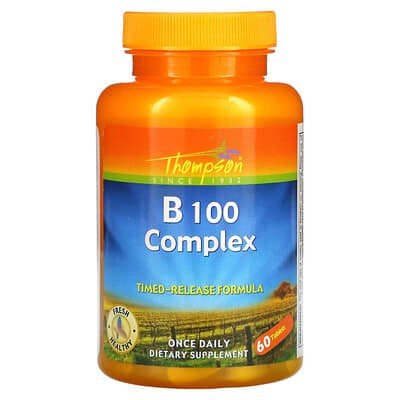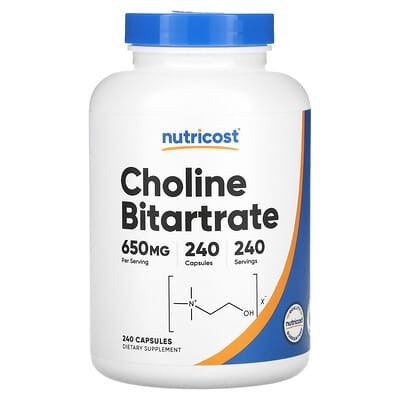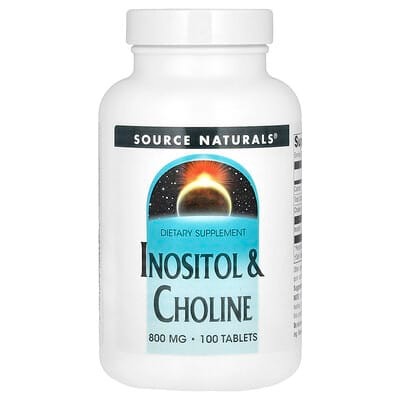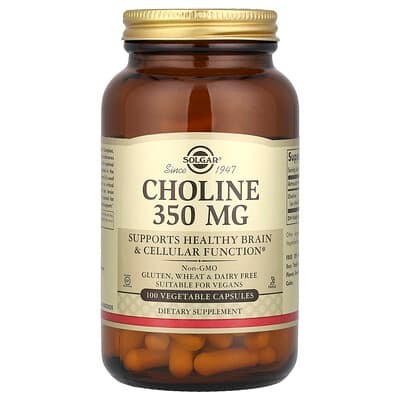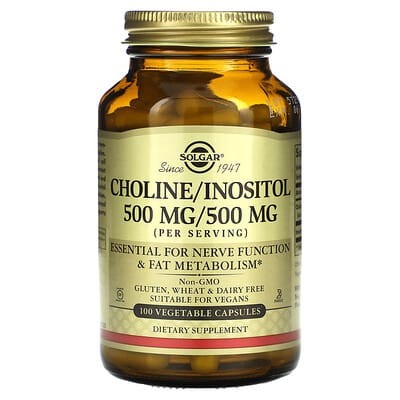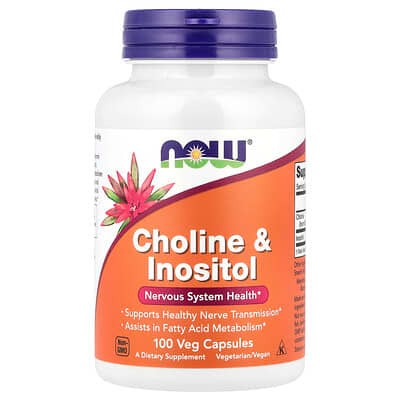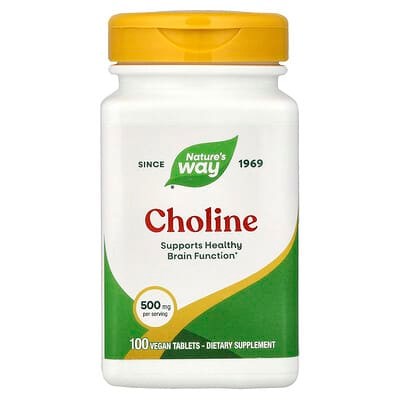
Choline is a direct precursor to acetylcholine, a neurotransmitter vital for learning, memory, and focus. It is also a key component of phosphatidylcholine, which is necessary for the structural integrity of brain cell membranes. Ensuring adequate choline intake supports fundamental cognitive architecture and signaling.
- Focuses on
- Most relevant for
- Older adults experiencing age-associated memory changes or individuals seeking to support foundational brain health through essential nutrient intake.
Potential benefits
- Memory support in aging.Clinical trials indicate that specific forms of choline, such as citicoline and choline alfoscerate, may improve episodic and verbal memory in older adults with age-related memory impairment or cerebrovascular concerns.
- Developmental memory support.Higher maternal intake during pregnancy or targeted supplementation in early childhood is linked to improved visual and sequential memory in offspring, particularly in contexts of prenatal alcohol exposure.
- Processing speed and fluid intelligence.Unconfirmed. Large-scale population data associates moderate dietary choline intake with better performance in visual attention, processing speed, and fluid intelligence, though more clinical trials are needed to confirm if supplementation causes these improvements.
Limitations
- Form dependent outcomes.Cognitive benefits observed in research are often specific to compounds like CDP-choline or choline alfoscerate and may not translate to other common forms like lecithin or choline bitartrate.
- Mixed cognitive results.Improvements are frequently limited to specific memory tasks, with inconsistent evidence for benefits to attention, general intelligence, or the reversal of established dementia.
- Regulatory and clinical uncertainty.Major scientific reviews have found that a definitive cause-and-effect relationship between choline supplementation and memory maintenance in healthy adults is not yet consistently established across the general population.
Things to consider
Dietary choline can be metabolized by gut bacteria into TMAO, a compound associated with increased cognitive and cardiovascular risk in some observational studies.
Study evidence
76 studiesCholine is essential for normal brain function, but extra supplementation does not consistently improve cognition. Some forms show memory benefits in selected clinical or developmental settings, while mixed and negative findings prevent a general claim that Choline supplements sharpen thinking or prevent cognitive decline.