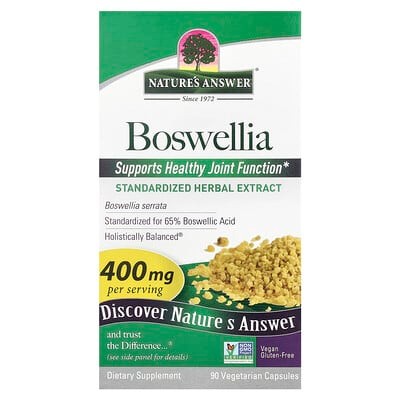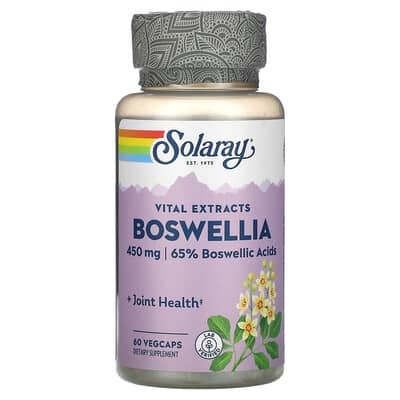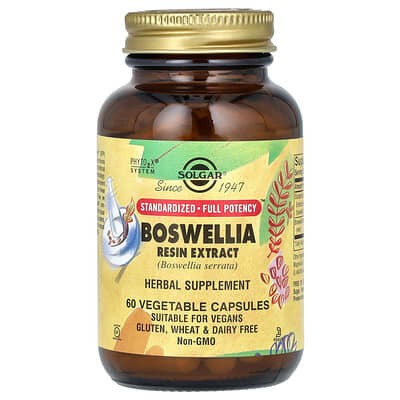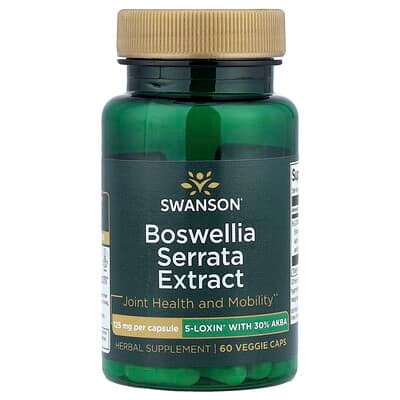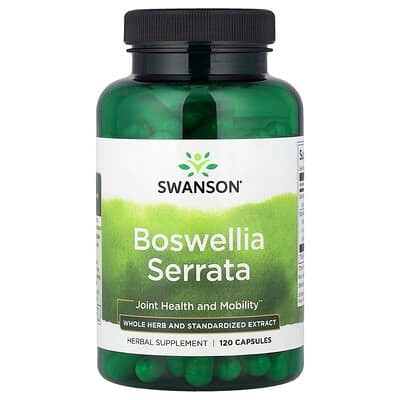
Boswellia

Description

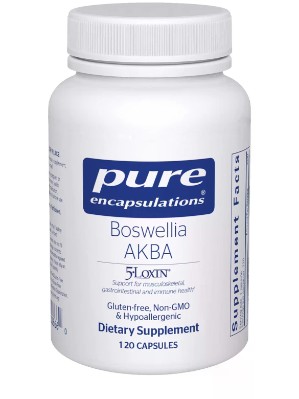
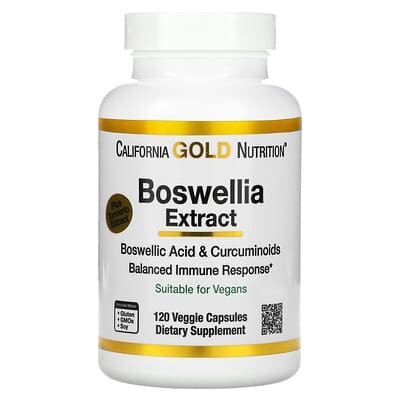
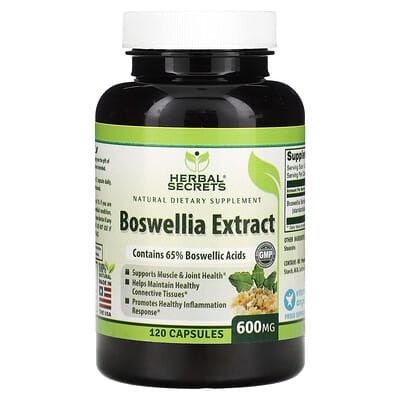
Boswellia refers to an oleo-gum-resin extracted from the bark of trees belonging to the *Boswellia* genus, most notably *Boswellia serrata*. Native to India, Africa, and the Middle East, this botanical has been a cornerstone of traditional Ayurvedic medicine for centuries, where it's valued for its purported health benefits. The primary active compounds in Boswellia are boswellic acids, particularly acetyl-11-keto-β-boswellic acid (AKBA), which are believed to modulate inflammatory pathways in the body. These compounds interact with various cellular processes, helping to reduce the production of pro-inflammatory molecules and support overall cellular health. Modern scientific research continues to explore Boswellia's potential in supporting joint comfort, digestive health, and respiratory function, making it a popular ingredient in dietary supplements aimed at managing inflammatory responses and promoting general well-being.

Sources
Boswellia serrata tree resinBoswellia carteri tree resinBoswellia sacra tree resin
Cheapest Boswellia supplements
Discover the most affordable Boswellia supplements to support your joint health, digestion, anti-inflammatory needs, and anti-aging goals, helping you find the best value without compromising quality.
Best Boswellia Supplements
Discover the best Boswellia supplements for superior joint health, digestive support, anti-inflammatory benefits, and anti-aging properties, helping you choose the ideal botanical for your well-being.
Value Boswellia supplements
Discover the best value Boswellia supplements to support joint health, digestive wellness, anti-inflammatory needs, and anti-aging benefits for overall well-being.
Timing & Intake
AnytimeWith foodTake with Healthy fats (to enhance absorption)
May be taken with meals to enhance absorption and minimize potential gastrointestinal discomfort.
Optimal Dosage
Minimum300 mg
Maximum500 mg
Safety & Toxicity
Goals
Anti-Inflammatory Support
Impact
High effect
Typical dose:300–900 mg
Boswellia serrata extract, also known as Indian frankincense, provides potent relief, especially for joint-related inflammation and pain. Its unique mechanism of inhibiting the 5-lipoxygenase (5-LOX) enzyme makes it an excellent complement to curcumin, providing a more comprehensive anti-inflammatory effect.
View goal ->
Digestive Health
Digestive Health
Impact
High effect
Typical dose:300–900 mg
Boswellia serrata extract contains boswellic acids, which are potent inhibitors of 5-lipoxygenase (5-LOX), an enzyme that produces inflammatory leukotrienes. This mechanism is distinct from many other anti-inflammatories and is particularly relevant in certain inflammatory gut conditions.
View goal ->
Joint Health
Joint Health
Impact
High effect
Typical dose:300–1000 mg
Boswellia serrata extract, standardized for its active compounds like AKBA, has demonstrated strong clinical results in improving joint comfort and function, often showing noticeable benefits within a week. It works synergistically with curcumin for broader anti-inflammatory coverage.
View goal ->
Anti-Aging
Anti-Aging
Impact
Moderate effect
Typical dose:300–1000 mg
Boswellia serrata extract contains boswellic acids, which inhibit the pro-inflammatory enzyme 5-lipoxygenase (5-LOX). This mechanism is distinct from many other anti-inflammatories, making it an excellent partner for curcumin. It is clinically effective for reducing joint pain and stiffness, key issues that affect quality of life during aging.
View goal ->
Price per product
Average$30.57
Median$24.47
Price per serving
Average$0.71
Median$0.58
Price per 100 mg
Average$0.49
Median$0.36
Price distribution
Price per serving distribution
Price per 100 mg
Reference amount: 100 mg
Forms
Paired ingredients
boswellic acids (13)75
Boswellic acids are the principal bioactive components found in the resin of the Boswellia serrata plant. This family of pentacyclic triterpenoids includes several distinct compounds such as Acetyl-11-keto-β-boswellic acid (AKBA), β-boswellic acid, α-boswellic acid, and their acetylated derivatives. They exert anti-inflammatory effects primarily through the inhibition of 5-lipoxygenase and potentially other pathways like NF-κB, offering a broader spectrum of action than a single compound.
Pros
  • Represents the full spectrum of active compounds
  • Recognized for synergistic effects
  • Strong scientific backing for anti-inflammatory action
Cons
  • Potency and specific composition can vary widely if not standardized
  • May not guarantee high levels of specific potent acids like AKBA
Per product
Avg$55.71
Med$55.99
Per serving
Avg$1.00
Med$1.15
Per 100 mg
Avg$0.55
Med$0.39
Price distribution
Boswellic Acids (13)75
Boswellic acids are the principal bioactive components found in the resin of the Boswellia serrata plant. This family of pentacyclic triterpenoids includes several distinct compounds such as Acetyl-11-keto-β-boswellic acid (AKBA), β-boswellic acid, α-boswellic acid, and their acetylated derivatives. They exert anti-inflammatory effects primarily through the inhibition of 5-lipoxygenase and potentially other pathways like NF-κB, offering a broader spectrum of action than a single compound.
Pros
  • Represents the full spectrum of active compounds
  • Recognized for synergistic effects
  • Strong scientific backing for anti-inflammatory action
Cons
  • Potency and specific composition can vary widely if not standardized
  • May not guarantee high levels of specific potent acids like AKBA
Per product
Avg$55.71
Med$55.99
Per serving
Avg$1.00
Med$1.15
Per 100 mg
Avg$0.55
Med$0.39
Price distribution
Boswellic Acid (11)75
Boswellic acids are the principal bioactive components found in the resin of the Boswellia serrata plant. This family of pentacyclic triterpenoids includes several distinct compounds such as Acetyl-11-keto-β-boswellic acid (AKBA), β-boswellic acid, α-boswellic acid, and their acetylated derivatives. They exert anti-inflammatory effects primarily through the inhibition of 5-lipoxygenase and potentially other pathways like NF-κB, offering a broader spectrum of action than a single compound.
Pros
  • Represents the full spectrum of active compounds
  • Recognized for synergistic effects
  • Strong scientific backing for anti-inflammatory action
Cons
  • Potency and specific composition can vary widely if not standardized
  • May not guarantee high levels of specific potent acids like AKBA
Per product
Avg$33.54
Med$21.99
Per serving
Avg$0.21
Med$0.18
Per 100 mg
Avg$0.03
Med$0.03
Price distribution
Boswellia serrata extract (6)78
Boswellia serrata extract is obtained by processing the gum resin exuded by the Boswellia serrata tree. This extract contains a complex mixture of compounds, including boswellic acids, volatile oils, and polysaccharides. Its therapeutic efficacy is primarily attributed to the boswellic acids, which inhibit pro-inflammatory enzymes like 5-lipoxygenase. The quality and potency of the extract largely depend on its standardization, typically to a certain percentage of total boswellic acids or specific key acids like AKBA.
Pros
  • Readily available and widely studied
  • Provides a full spectrum of resin compounds
  • Can be standardized for consistency
Cons
  • Efficacy can vary significantly if not standardized to specific boswellic acid content
  • May contain inactive compounds
Per product
Avg$24.16
Med$19.19
Per serving
Avg$0.48
Med$0.52
Per 100 mg
Avg$0.43
Med$0.43
Price distribution
organic Acids (4)60
In the context of Boswellia, 'organic acids' generally refers to a wide range of acidic compounds naturally present in the plant's resin. While boswellic acids are indeed organic acids, this term on its own is not specific enough to indicate the presence or concentration of the primary therapeutic compounds (boswellic acids, especially AKBA). An extract labeled simply as 'organic acids' from Boswellia might contain boswellic acids, but without further standardization or specification, its potency and therapeutic efficacy would be uncertain compared to forms specifically standardized for boswellic acids.
Pros
  • Represents a natural component of the resin
  • May contribute to general health benefits
Cons
  • Lacks specificity regarding the presence or concentration of active boswellic acids
  • Therapeutic efficacy is uncertain without standardization
Per product
Avg$18.56
Med$15.29
Per serving
Avg$0.25
Med$0.27
Per 1000 mg
Avg$0.25
Med$0.27
Price distribution
AKBA (3)95
AKBA stands for Acetyl-11-keto-β-boswellic acid, a specific pentacyclic triterpene found in the resin of Boswellia serrata. It is recognized as one of the most therapeutically active and potent boswellic acids, primarily due to its strong and direct inhibitory action on the enzyme 5-lipoxygenase (5-LO). 5-LO is a key enzyme in the biosynthesis of leukotrienes, which are potent mediators of inflammation, particularly in conditions like asthma, osteoarthritis, and inflammatory bowel disease. Products standardized for high AKBA content are highly valued for their efficacy.
Pros
  • Highest known potency among boswellic acids
  • Strong scientific evidence for anti-inflammatory effects
  • Often standardized for consistent dosage
Cons
  • Can be more expensive than general extracts
  • May be isolated from other potentially synergistic boswellic acids
Per product
Avg$32.59
Med$26.33
Per serving
Avg$0.80
Med$0.83
Per 100 mg
Avg$0.06
Med$0.06
Price distribution
Alpha Boswellic Acid (3)78
Alpha-boswellic acid (α-boswellic acid) is another important boswellic acid constituent of Boswellia serrata resin. Like beta-boswellic acid, it is a part of the complex mixture of triterpenoids that give Boswellia its therapeutic properties. While it shares structural similarities with other boswellic acids and contributes to the overall anti-inflammatory action, its specific individual potency and mechanisms of action compared to AKBA or even β-boswellic acid are areas of ongoing research. It is typically found alongside other boswellic acids in extracts.
Pros
  • An active component of the Boswellia complex
  • Contributes to the overall anti-inflammatory and beneficial effects of the plant
Cons
  • Less extensively studied for individual potency compared to AKBA
  • Often present in lower concentrations than beta-boswellic acid
Per product
Avg$69.93
Med$62.90
Per serving
Avg$1.59
Med$1.57
Per 1000 mg
Avg$1.33
Med$1.31
Price distribution
Beta Boswellic Acid (3)80
Beta-boswellic acid (β-boswellic acid) is a significant boswellic acid present in the resin of Boswellia serrata. While it contributes to the overall anti-inflammatory effects of Boswellia, its mechanism and potency differ somewhat from AKBA. Beta-boswellic acid is known to inhibit certain inflammatory enzymes and pathways, though its direct inhibitory effect on 5-lipoxygenase is generally considered less potent than that of AKBA. It often occurs in higher concentrations in general Boswellia extracts compared to AKBA.
Pros
  • A key active component of Boswellia
  • Contributes significantly to the anti-inflammatory profile
  • Well-researched component of the boswellic acid complex
Cons
  • Generally less potent than AKBA
  • Often found as part of a mixture rather than isolated, which could be a pro or con depending on desired effect
Per product
Avg$69.93
Med$62.90
Per serving
Avg$1.59
Med$1.57
Per 1000 mg
Avg$1.33
Med$1.31
Price distribution
Beta-Boswellic Acids (2)80
Beta-boswellic acid (β-boswellic acid) is a significant boswellic acid present in the resin of Boswellia serrata. While it contributes to the overall anti-inflammatory effects of Boswellia, its mechanism and potency differ somewhat from AKBA. Beta-boswellic acid is known to inhibit certain inflammatory enzymes and pathways, though its direct inhibitory effect on 5-lipoxygenase is generally considered less potent than that of AKBA. It often occurs in higher concentrations in general Boswellia extracts compared to AKBA.
Pros
  • A key active component of Boswellia
  • Contributes significantly to the anti-inflammatory profile
  • Well-researched component of the boswellic acid complex
Cons
  • Generally less potent than AKBA
  • Often found as part of a mixture rather than isolated, which could be a pro or con depending on desired effect
Per product
Avg$41.47
Med$41.47
Per serving
Avg$0.96
Med$0.96
Per 1000 mg
Avg$1.19
Med$1.19
Price distribution