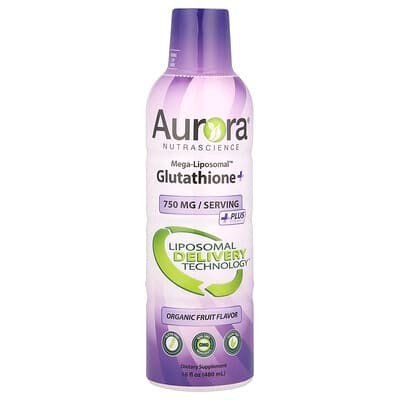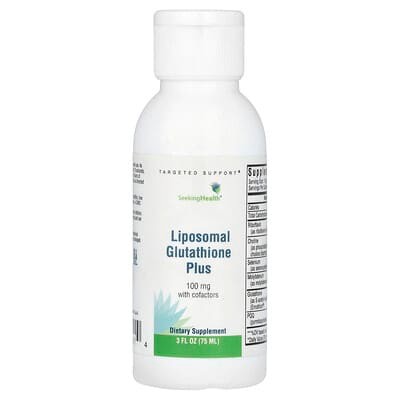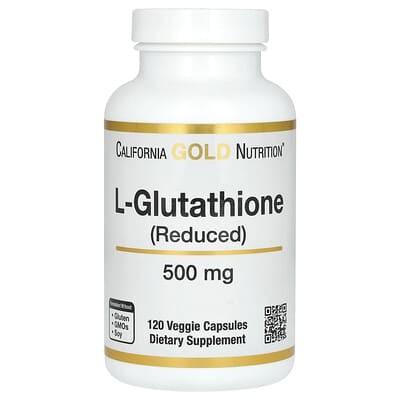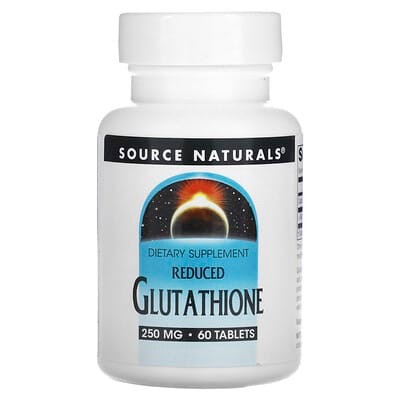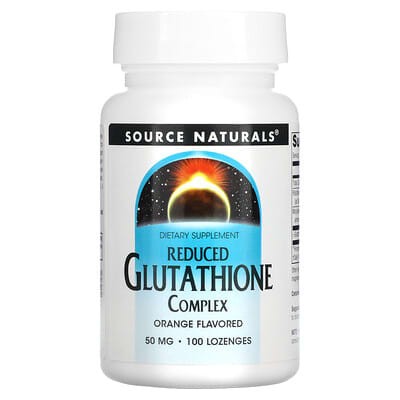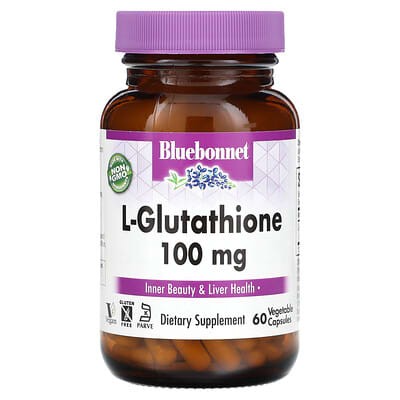
Gluthathione

non-nutrient_non-botanical

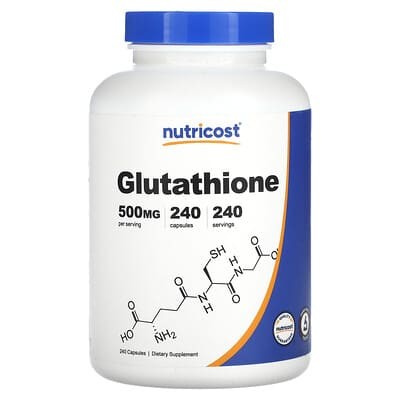
Glutathione is a tripeptide composed of three amino acids: cysteine, glycine, and glutamic acid. It exists in an active reduced form (GSH) that neutralizes free radicals and an oxidized form (GSSG), produced after its antioxidant action. Maintaining a proper balance between these two forms is necessary for maintaining cellular health. This molecule is involved in several biological processes, including DNA synthesis and repair, protein synthesis, enzyme activation, and regulation of cell growth and death. Its role in detoxification is particularly significant, as it helps the liver and other organs neutralize toxins, heavy metals, and carcinogens. Glutathione also influences the immune system by supporting immune cell function and acting as a defense against inflammation and oxidative stress. Supplementation is often used to support overall health, liver function, and antioxidant status.

Natural sources
AsparagusAvocadosSpinachBroccoliBrussels sproutsGarlicOnions

No public comparison lists found.

Optimal Dosage
Minimum50 mg
Maximum200 mg
Safety & Toxicity
Toxicity Threshold1000 mg
Toxicity EffectLiver toxicity, kidney damage
3 safety notes
  • Pregnant or breastfeeding individuals should consult a healthcare professional before use.
  • Individuals with asthma should use with caution, as inhaled forms may exacerbate symptoms.
  • Consult a doctor if experiencing persistent side effects.
Goals
Skin Health
Impact
High effect
Typical dose:500–1000 mg

As the body's master antioxidant, glutathione protects skin cells from oxidative damage caused by UV radiation and pollutants. It also plays a role in detoxification pathways and may influence melanin synthesis by inhibiting the tyrosinase enzyme, potentially leading to a brighter, more even skin tone. Oral bioavailability can be a concern, with S-acetyl or liposomal forms often preferred.

Focuses on
FirmnessSun ProtectionClear Skin
Most relevant for
Individuals seeking to modestly even out skin tone or address visible signs of skin aging through cosmetic supplementation.

Potential benefits

  • Cosmetic Skin Brightening.Clinical trials of oral and topical preparations have shown a modest reduction in the melanin index, potentially leading to lighter skin tone in sun-exposed areas.
  • Improved Skin Texture.Some studies suggest that glutathione may help improve skin smoothness and reduce the appearance of fine wrinkles, though results vary across different age groups.
  • Skin Elasticity Support.Daily supplementation has been associated with a trend toward increased skin elasticity in several randomized controlled trials.

Limitations

  • Temporary and Reversible Effects.Evidence suggests that skin-lightening results may not be permanent and can reverse once the supplement is discontinued.
  • Absorption Concerns.Standard oral glutathione has poor bioavailability and limited absorption in the gastrointestinal tract, which may reduce its effectiveness compared to other delivery methods.
  • Inconsistent Results.Systematic reviews highlight that findings are often inconsistent, with some studies showing significant results only on specific body parts or within limited populations.
Things to consider

Avoid intravenous glutathione for cosmetic purposes due to serious safety concerns, including potential liver toxicity and severe allergic reactions.

Study evidence

13 studies

Gluthathione may modestly change skin pigmentation and some cosmetic skin features, but results are inconsistent and lasting benefits are uncertain. Evidence differs between oral and topical products, does not establish broad skin-health improvements, and raises particular safety concerns about intravenous use.


View goal
Everyday Health
Impact
Lower effect
Typical dose:250–500 mg

Glutathione is vital for detoxification and neutralizing free radicals. However, when taken orally, standard glutathione is largely broken down in the digestive system before it can be absorbed effectively. For raising systemic levels, liposomal forms offer modest improvement, but precursor supplements like N-acetylcysteine (NAC) are generally considered more reliable and cost-effective.

Focuses on
Daily NutrientsInflammation
Most relevant for
Healthy adults seeking to increase systemic antioxidant levels, though broad health improvements remain unproven.

Potential benefits

  • Boosting Antioxidant Reserves.Unconfirmed. Daily oral supplementation for six months has been shown to increase glutathione levels in the blood and tissue cells of healthy adults, although the direct link to improved health outcomes is not established.
  • Immune Marker Support.Unconfirmed. High-dose oral intake may increase natural killer cell cytotoxicity, a marker of immune system activity, but it is unproven whether this results in fewer infections or better overall health.
  • Oxidative Stress Reduction.Unconfirmed. Supplementation can help lower the ratio of oxidized to reduced glutathione in the blood, suggesting a potential reduction in systemic oxidative stress.

Limitations

  • General Health Benefit Unconfirmed.While studies confirm glutathione stores can be increased, there is no direct evidence that oral supplementation prevents disease or improves general well-being in healthy populations.
  • Poor Oral Bioavailability.Standard oral glutathione is largely degraded during digestion, typically requiring high doses or long-term use to achieve even modest increases in tissue levels.
  • Limited Context for Findings.Significant improvements in quality of life and reduced toxicity have been observed in clinical settings like chemotherapy, which may not translate to the general healthy population.
Things to consider

Oral glutathione is often broken down in the digestive system before absorption; precursors like N-acetylcysteine (NAC) are sometimes considered more reliable for raising systemic levels.

Study evidence

7 studies

Gluthathione supplementation can increase the body's glutathione stores and affect antioxidant and immune markers. However, the supplied evidence does not establish broad improvements in health or disease prevention, and findings from cancer treatment or naturally higher glutathione levels do not answer that question.

View goal
Longevity
Impact
Lower effect
Typical dose:250–1000 mg

Standard oral glutathione is broken down by digestive enzymes into its constituent amino acids before it can be absorbed, preventing it from raising cellular glutathione levels effectively. For direct supplementation, specialized forms like S-Acetyl-Glutathione or Liposomal Glutathione are necessary for absorption. A more efficient and cost-effective strategy is to supplement with precursors like N-Acetylcysteine (NAC) and Glycine, which the body can use to synthesize its own glutathione.

Focuses on
Cell EnergyAntioxidantsSkin Ageing
Most relevant for
Individuals seeking to maintain cellular antioxidant levels and address early signs of skin aging such as wrinkles.

Potential benefits

  • Reduction in skin wrinkles.Clinical research indicates that daily oral intake may help reduce the appearance of wrinkles and skin spots, although these effects are often limited to specific body sites.
  • Increased antioxidant stores.Supplementation has been shown to raise glutathione levels in various body tissues, helping to improve the systemic balance between reduced and oxidized glutathione.
  • Cognitive health support.Unconfirmed. While lower natural glutathione levels are associated with executive function decline in older adults, there is no direct evidence that taking supplements prevents this decline.

Limitations

  • Uncertain brain impact.Research is conflicted on whether glutathione levels in the brain actually decline with age or if oral supplements can effectively reach brain tissue.
  • Narrow anti-aging evidence.Available findings are restricted to skin appearance and antioxidant markers; there is no proof that it slows biological aging or extends longevity.
  • Absorption constraints.Standard oral glutathione is frequently broken down during digestion, which may significantly limit its ability to raise cellular levels compared to other methods.
Things to consider

Oral glutathione has poor bioavailability because it is broken down by digestive enzymes; precursors like N-acetylcysteine (NAC) and glycine, or specialized forms like liposomal glutathione, may be more effective.

Study evidence

8 studies

Gluthathione may improve some skin-aging features and raise antioxidant stores, but the available evidence does not show that supplementation slows overall aging. Lower natural glutathione levels are associated with aging and cognitive decline in some research, which does not prove that supplements prevent either.

View goal

Studies

Research connections will load here.
Sources

Up to five highest-ranked published examples per goal. Study counts and charts include all published studies for the connection.

  1. The effects of the oral supplementation of L-Cystine associated with reduced L-Glutathione-GSH on human skin pigmentation: a randomized, double-blinded, benchmark- and placebo-controlled clinical trial.
    Duperray J; Sergheraert R; Chalothorn K; Tachalerdmanee P; Perin F · Journal of cosmetic dermatology · 2022
    Randomized trial124 participantsSkin Health
  2. Skin-whitening and skin-condition-improving effects of topical oxidized glutathione: a double-blind and placebo-controlled clinical trial in healthy women.
    Watanabe F; Hashizume E; Chan GP; Kamimura A · Clinical, cosmetic and investigational dermatology · 2014
    Randomized trial30 participantsSkin Health
  3. Systematic Review of the Efficacy and Safety of Topical Glutathione in Dermatology.
    Khanna R; Rambhia P; Chapas A · The Journal of clinical and aesthetic dermatology · 2025
    Systematic review5 studies pooledSkin Health
  4. Effects of antioxidants on glutathione levels and clinical recovery from the malnutrition syndrome kwashiorkor--a pilot study.
    Becker K; Pons-Kühnemann J; Fechner A; Funk M; Gromer S; Gross HJ; Grünert A; Schirmer RH · Redox report : communications in free radical research · 2006
    Randomized trialSkin Health
  5. Glutathione and its antiaging and antimelanogenic effects.
    Weschawalit S; Thongthip S; Phutrakool P; Asawanonda P · Clinical, cosmetic and investigational dermatology · 2020
    Randomized trial57 participantsSkin Health
  6. Glutathione reduces the toxicity and improves quality of life of women diagnosed with ovarian cancer treated with cisplatin: results of a double-blind, randomised trial.
    Smyth JF; Bowman A; Perren T; Wilkinson P; Prescott RJ; Quinn KJ; Tedeschi M · Annals of oncology : official journal of the European Society for Medical Oncology · 1997
    Randomized trial151 participantsEveryday Health
  7. Glutathione and morbidity in a community-based sample of elderly.
    Julius M; Lang CA; Gleiberman L; Harburg E; DiFranceisco W; Schork A · Journal of clinical epidemiology · 1995
    Cross-sectional study33 participantsEveryday Health
  8. The role of zinc, copper, plasma glutathione peroxidase enzyme, and vitamins in the development of allergic diseases in early childhood: The Polish mother and child cohort study.
    Stelmach I; Grzelewski T; Bobrowska-Korzeniowska M; Kopka M; Majak P; Jerzynska J; Stelmach W; Polańska K; Sobala W; Gromadzińska J; Wąsowicz W; Hanke W · Allergy and asthma proceedings · 2014
    Cohort study240 participantsEveryday Health
  9. Status of glutathione and other thiols and disulfides in human plasma.
    Kleinman WA; Richie JP · Biochemical pharmacology · 2000
    Cross-sectional studyEveryday Health
  10. Impact of a tailored exercise regimen on physical capacity and plasma proteome profile in post-COVID-19 condition.
    Chowdhury MMH; Fontaine MN; Lord SE; Quenum AJI; Limoges MA; Rioux-Perreault C; Lucier JF; Cliche DO; Levesque D; Boisvert FM; Cantin AM; Allard-Chamard H; Menendez A; Ilangumaran S; Piché A; Dionne IJ; Ramanathan S · Frontiers in physiology · 2024
    Single-arm trialEveryday Health
  11. Deficient synthesis of glutathione underlies oxidative stress in aging and can be corrected by dietary cysteine and glycine supplementation.
    Sekhar RV; Patel SG; Guthikonda AP; Reid M; Balasubramanyam A; Taffet GE; Jahoor F · The American journal of clinical nutrition · 2011
    Clinical trial16 participantsLongevity
  12. Changes in levels of the antioxidant glutathione in brain and blood across the age span of healthy adults: A systematic review.
    Detcheverry F; Senthil S; Narayanan S; Badhwar A · NeuroImage. Clinical · 2023
    Systematic review35 studies pooledLongevity
  13. Do glutathione levels decline in aging human brain?
    Tong J; Fitzmaurice PS; Moszczynska A; Mattina K; Ang LC; Boileau I; Furukawa Y; Sailasuta N; Kish SJ · Free radical biology & medicine · 2016
    Cross-sectional study74 participantsLongevity
  14. Oxidative stress predicts cognitive decline with aging in healthy adults: an observational study.
    Hajjar I; Hayek SS; Goldstein FC; Martin G; Jones DP; Quyyumi A · Journal of neuroinflammation · 2019
    Cohort study511 participantsLongevity
  15. Changes in the intracellular homocysteine and glutathione content associated with aging.
    Hernanz A; Fernández-Vivancos E; Montiel C; Vazquez JJ; Arnalich F · Life sciences · 2000
    Cross-sectional study70 participantsLongevity