Impact
Situational effect
Typical dose:100–300 mg
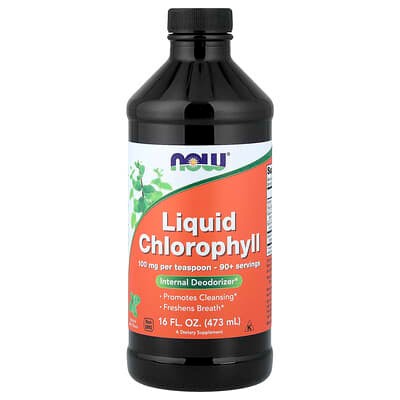
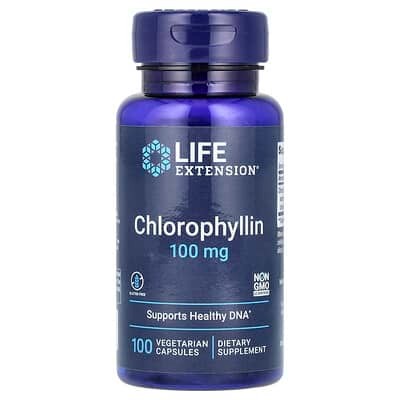
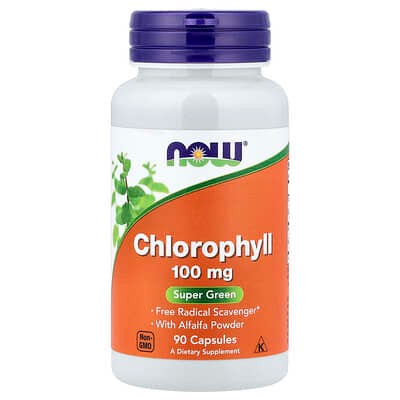
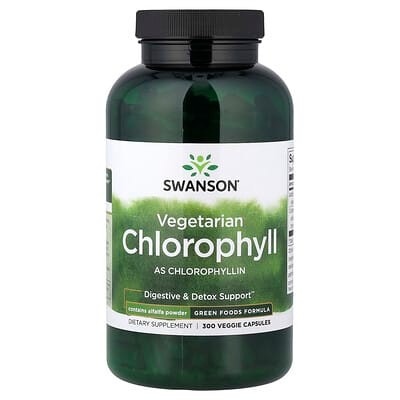
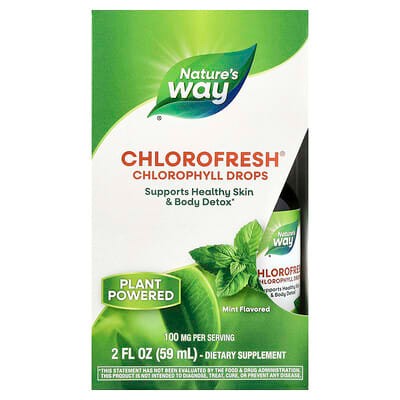
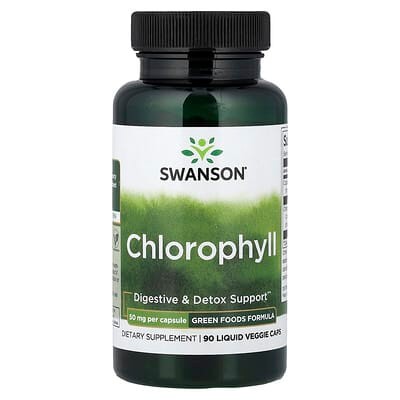
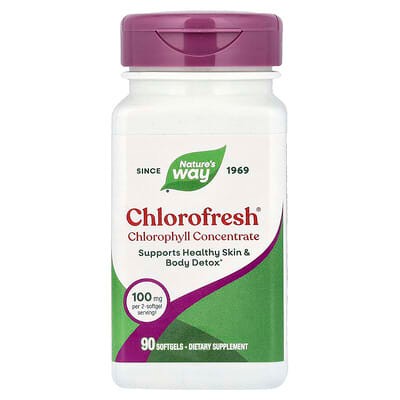
Chlorophyllin's mechanism involves trapping certain carcinogens and toxins within the digestive tract to prevent their absorption. This is a valuable but situational gut-focused action, similar to activated charcoal, and does not directly enhance the liver's Phase I or Phase II enzymatic pathways.
- Focuses on
- Most relevant for
- People concerned with dietary exposure to mycotoxins, specifically aflatoxins found in mold-prone foods like grains and nuts.
Potential benefits
- Binds Dietary Aflatoxins.Chlorophyllin forms tight complexes with aflatoxins in the digestive tract, effectively trapping them to prevent absorption into the bloodstream.
- Reduces DNA Damage Markers.Clinical evidence shows it can significantly lower urinary markers of aflatoxin-related DNA damage in populations with high dietary exposure.
Limitations
- No Systemic Liver Support.It acts as a physical binder in the gut and does not enhance the liver's internal enzymatic detoxification pathways like Phase I or Phase II enzymes.
- Aflatoxin Specificity.The evidence for detoxification is primarily limited to aflatoxins; its ability to bind or remove other environmental toxins is not established.
- Unproven Cancer Prevention.While it reduces biomarkers of toxin exposure, research has not yet proven that chlorophyllin supplementation directly prevents liver cancer in humans.
Things to consider
To be effective, it must be present in the digestive tract at the same time as contaminated food; it is not a substitute for proper food storage or avoiding moldy grains.
Study evidence
3 studiesChlorophyllin can reduce a marker of aflatoxin exposure in people eating contaminated food, supporting a specific toxin-binding effect. This evidence does not establish a general detox benefit, removal of diverse toxins, or prevention of liver cancer.
View goal