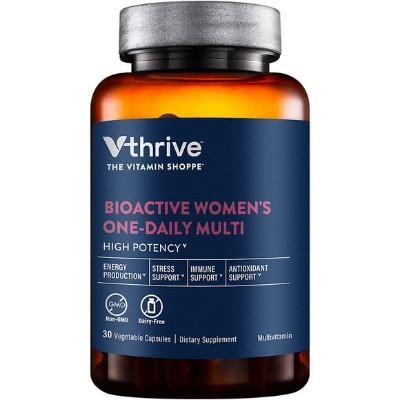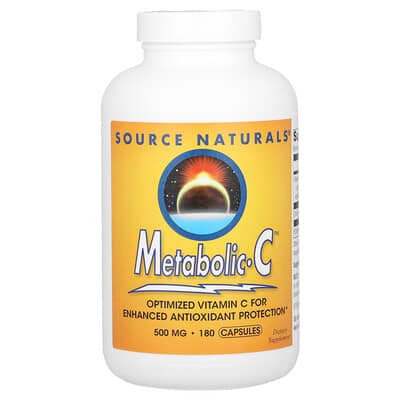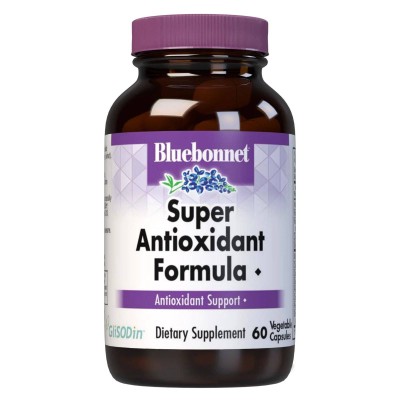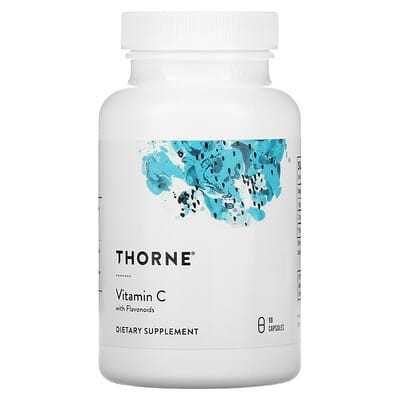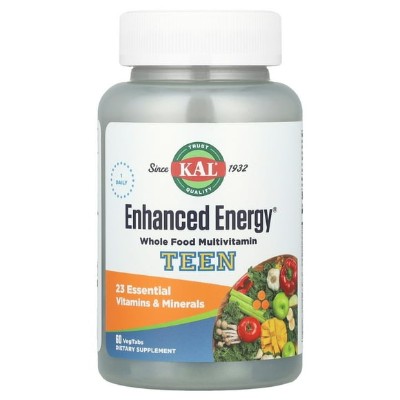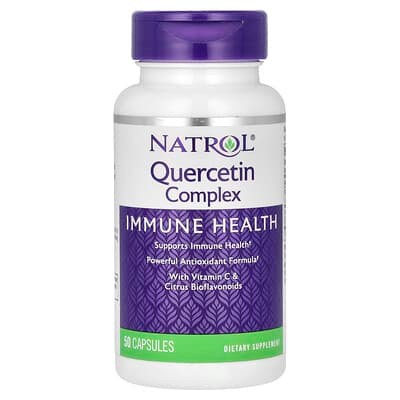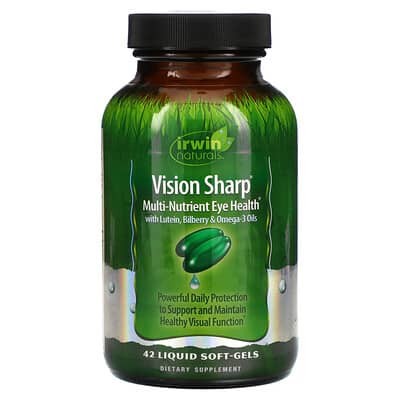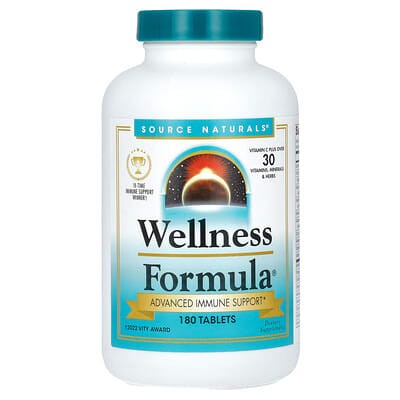
Flavonoid

Description

Flavonoids are a vast family of plant pigments and phytonutrients, characterized by their polyphenolic chemical structure. These compounds are ubiquitous in the plant kingdom, imparting vibrant colors to fruits and vegetables, and playing crucial roles in plant defense mechanisms against environmental stressors. Their presence in our diet is significant due to their potential health-promoting properties. With over 8,000 distinct compounds identified, flavonoids are categorized into several subgroups, including anthocyanins, flavones, flavonols, flavanones, isoflavones, and flavanols. Each subgroup has a unique chemical structure and is found in different plant sources, contributing to the diverse range of effects observed. For instance, anthocyanins give berries their red and purple hues, while flavanols are abundant in green tea and cocoa. In the human body, flavonoids primarily act as potent antioxidants, effectively neutralizing harmful free radicals and reducing cellular damage caused by oxidative stress. Beyond this, they exhibit anti-inflammatory, antiviral, and anticarcinogenic activities. Research suggests their involvement in supporting cardiovascular health, enhancing cognitive function, and modulating immune responses, making them a subject of extensive scientific interest.

Sources
Berries (e.g., blueberries, strawberries, raspberries, European Elder, Acerola)Citrus fruitsApplesGrapesOnionsKaleParsleySoybeansTea (especially Green Tea)CocoaRed wineTurmericGinkgo Biloba
Optimal Dosage
Minimum50 mg
Maximum200 mg
Safety & Toxicity
Toxicity Threshold2000 mg
Toxicity EffectHeadache, digestive issues
Interactions

Positive Interactions

Vitamin C
Vitamin C can help regenerate oxidized flavonoids, enhancing their antioxidant capacity and overall effectiveness.
Vitamin E
Working together, flavonoids and Vitamin E provide a comprehensive antioxidant defense, protecting cell membranes from oxidative damage.
Selenium
Selenium, as a component of antioxidant enzymes, can work synergistically with flavonoids to bolster the body's defense against oxidative stress.
Zinc
Zinc supports the function of several antioxidant enzymes, creating a synergistic effect with flavonoids in combating oxidative stress.
Coenzyme Q-10
Flavonoids can enhance the antioxidant network alongside Coenzyme Q-10, supporting cellular energy production and overall antioxidant protection.
Astaxanthin
As powerful antioxidants, Astaxanthin and flavonoids can offer synergistic protection against free radicals and inflammation.
Lycopene
Lycopene, another potent antioxidant, can complement the protective effects of flavonoids, particularly in cell protection against oxidative damage.
carotenoids
Flavonoids and carotenoids (like Lycopene and Astaxanthin) collectively contribute to a broader spectrum of antioxidant and immune support.
Curcumin
Curcumin, known for its potent anti-inflammatory and antioxidant properties, works synergistically with flavonoids to enhance these beneficial effects.
Resveratrol
Resveratrol, another polyphenol, shares similar antioxidant and anti-inflammatory benefits with flavonoids, leading to enhanced protective effects when combined.
Green Tea
Green Tea contains catechins, a type of flavonoid, and combining it with other flavonoids can enhance the overall antioxidant and health-promoting effects.
Gluthathione
Flavonoids can support the body's natural Glutathione production and activity, enhancing the master antioxidant system for better detoxification and oxidative stress reduction.
Glutathione
Flavonoids can support the body's natural Glutathione production and activity, enhancing the master antioxidant system for better detoxification and oxidative stress reduction.
Price per product
Average$26.56
Median$22.86
Price per serving
Average$0.69
Median$0.44
Price distribution
Price per serving distribution
Price per
Paired ingredients