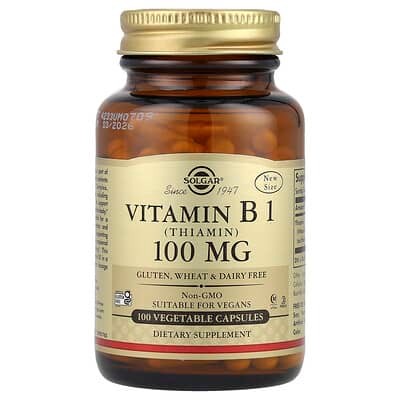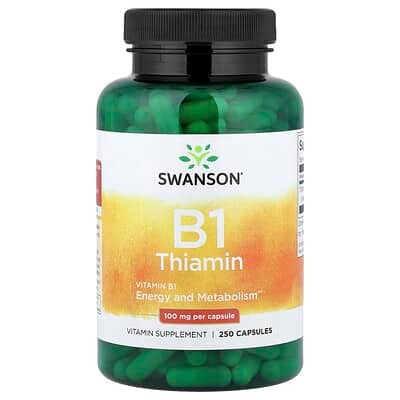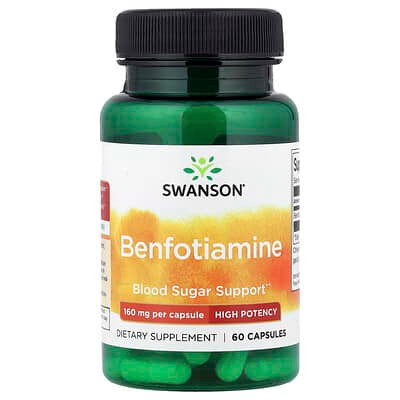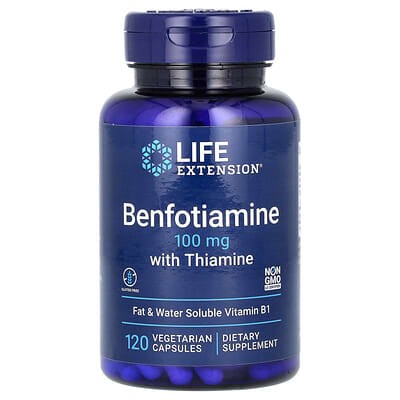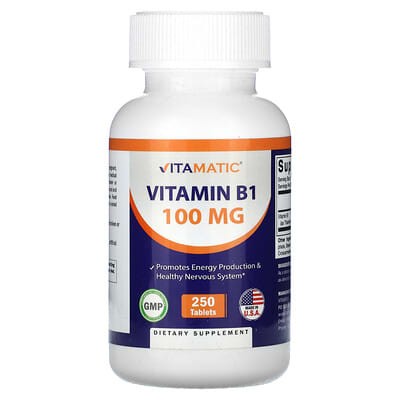
Thiamin

Description

Thiamin, also known as Vitamin B1, is a water-soluble vitamin that plays a crucial role in the body's energy production. It is essential for the metabolism of carbohydrates, converting them into glucose which is then used for energy to power the brain, nerves, and muscles. Without adequate thiamin, the body cannot effectively utilize carbohydrates, leading to a build-up of metabolic byproducts. Beyond energy metabolism, thiamin is vital for maintaining a healthy nervous system. It contributes to the synthesis of neurotransmitters and the integrity of myelin sheaths, which insulate nerve fibers and allow for efficient nerve signal transmission. It also supports cardiovascular function, particularly the proper functioning of the heart muscle. Thiamin is not produced by the body and must be obtained through diet or supplementation. Deficiency can lead to various health issues, including neurological disorders like beriberi, characterized by nerve damage, muscle weakness, and heart problems. It is also important for cognitive function and cellular growth and development.

Sources
Whole grains (brown rice, oats, whole-wheat bread)Legumes (lentils, beans)PorkFortified cerealsNutsSeedsYeastPeasSpinachKale
Cheapest Thiamin supplements
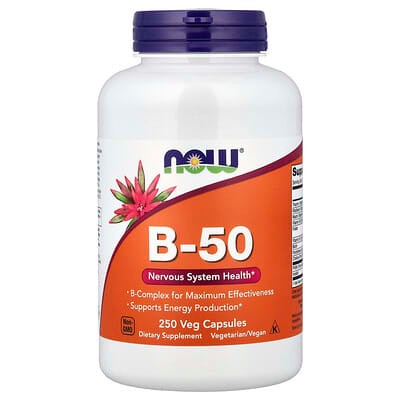
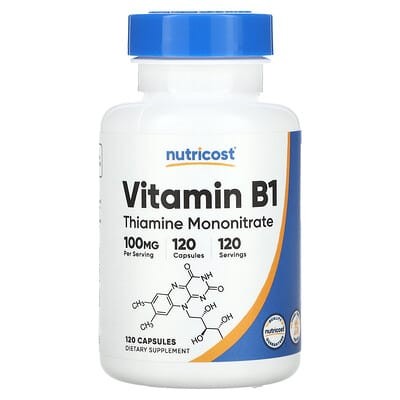
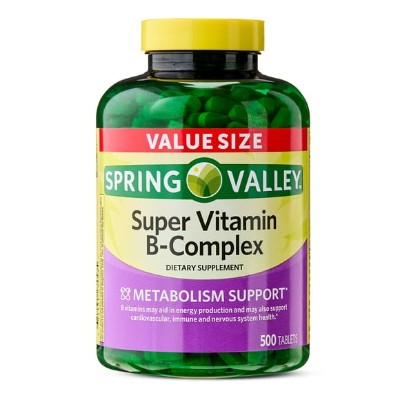
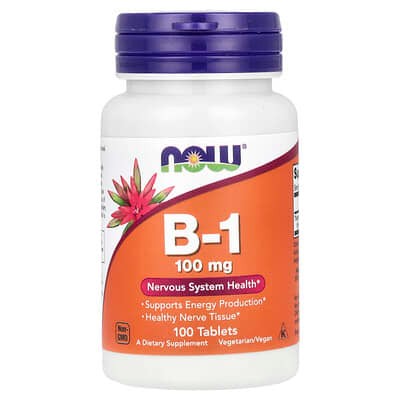
Discover the most affordable Thiamin supplements to support brain health, boost metabolism, enhance energy, and improve cognitive function.
Best Thiamin Supplements
Discover the top thiamin supplements to support brain health, boost metabolism, enhance energy levels, and provide cognitive support.
Value Thiamin Supplements
Discover top-rated thiamin supplements offering essential support for brain health, metabolism, energy, and cognitive function, all at great value.
Timing & Intake
AnytimePreferred: MorningWith foodTake with Other B vitamins, such as Riboflavin, Niacin, and Vitamin B6, as they often work synergistically in metabolic pathways.
As a water-soluble vitamin, it can be taken with or without food, though taking it with meals may improve absorption and prevent minor stomach upset.
Daily Intake
RDA (Men)1 mg
RDA (Women)1 mg
RDI1 mg
Optimal Dosage
Minimum10 mg
Maximum50 mg
Safety & Toxicity
Toxicity Effectno known toxicity
Price per product
Average$27.33
Median$23.08
Price per serving
Average$0.59
Median$0.43
Price per 10 mg
Average$0.13
Median$0.09
Price distribution
Price per serving distribution
Price per 10 mg
Reference amount: 10 mg
Forms
Paired ingredients
Thiamine Hydrochloride (423)85
Thiamine Hydrochloride (Thiamine HCl) is a synthetic, water-soluble salt of thiamin known for its stability and good absorption. It is one of the most widely used forms in dietary supplements and for enriching foods.
Pros
  • High stability and good bioavailability
  • Cost-effective and widely available
  • Standard form for treating thiamin deficiency
Cons
  • Can be destroyed by heat or certain food components (e.g., sulfites)
  • Water-soluble, so excess is readily excreted
Per product
Avg$34.06
Med$26.99
Per serving
Avg$0.84
Med$0.62
Per 10 mg
Avg$1.37
Med$0.38
Price distribution
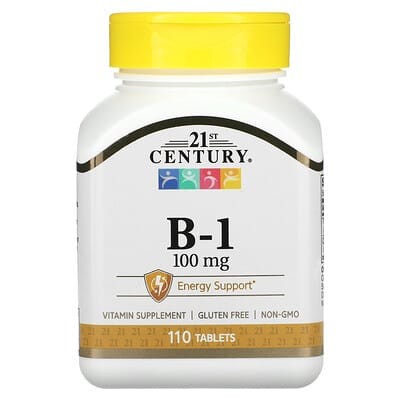
Vitamin B1 (413)80
Vitamin B1 is a general term for Thiamin, an essential nutrient required for numerous cellular processes, including energy metabolism and nerve function. It is water-soluble and not stored in large amounts in the body, necessitating regular intake.
Pros
  • Essential nutrient for overall health
  • Widely recognized and understood
Cons
  • Less specific than other forms, bioavailability can vary by source
  • General term, not a specific chemical compound
Per product
Avg$28.89
Med$22.69
Per serving
Avg$0.62
Med$0.46
Per 10 mg
Avg$0.63
Med$0.19
Price distribution
Thiamine Mononitrate (323)85
Thiamine Mononitrate is another synthetic, water-soluble salt of thiamin, very similar to Thiamine Hydrochloride in its metabolic role. It is often chosen for multivitamin and mineral supplements because it is more stable than Thiamine HCl when exposed to other ingredients.
Pros
  • Excellent stability, especially in multivitamin formulations
  • Good bioavailability and well-absorbed
  • Cost-effective and widely used
Cons
  • Can be degraded by heat or specific antagonistic compounds
  • Water-soluble, like Thiamine HCl
Per product
Avg$27.99
Med$24.32
Per serving
Avg$0.66
Med$0.39
Per 10 mg
Avg$0.89
Med$0.26
Price distribution
Thiamine Cocarboxylase Chloride (16)90
Thiamine Cocarboxylase Chloride is the biologically active form of thiamin (Thiamine Pyrophosphate, TPP or TDP) that directly participates in numerous metabolic reactions as a coenzyme. It bypasses the need for the body to convert inactive forms into TPP.
Pros
  • Biologically active form, readily utilized by the body
  • Potentially beneficial for individuals with impaired thiamin activation
  • Directly supports critical metabolic pathways
Cons
  • More expensive than salt forms
  • Less commonly available in supplements
  • May have lower stability compared to salt forms outside the body
Per product
Avg$27.32
Med$26.52
Per serving
Avg$0.58
Med$0.54
Per 10 mg
Avg$0.21
Med$0.16
Price distribution
Thiamine HCl (15)85
Thiamine HCl is the common abbreviation for Thiamine Hydrochloride, a synthetic, water-soluble salt of thiamin. It is a stable and well-absorbed form frequently utilized in dietary supplements and for the fortification of foods due to its effectiveness.
Pros
  • Highly stable and good bioavailability
  • Cost-effective and readily available
  • Standard form for supplementation
Cons
  • Susceptible to degradation by heat or specific food components
  • Water-soluble, leading to rapid excretion of excess
Per product
Avg$44.35
Med$38.24
Per serving
Avg$0.75
Med$0.63
Per 1 mg
Avg$0.12
Med$0.13
Price distribution
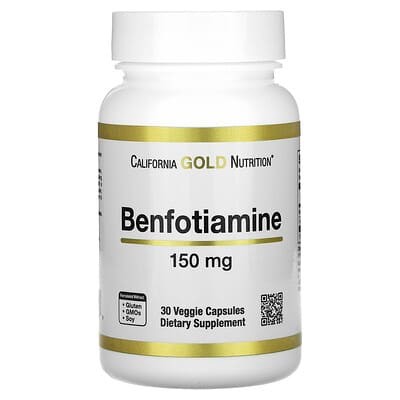
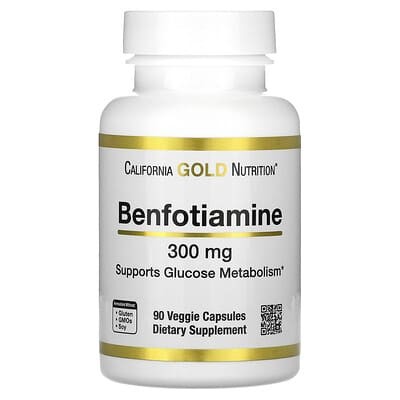
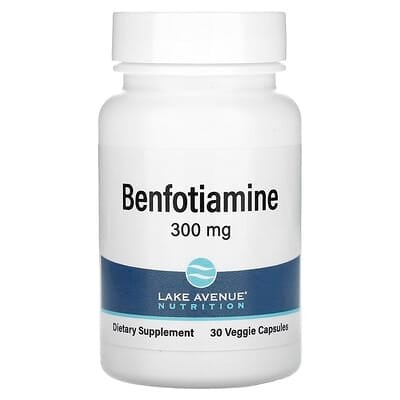
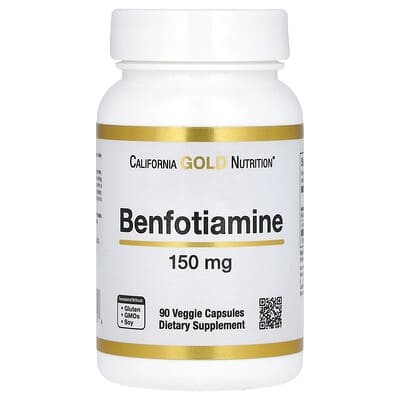
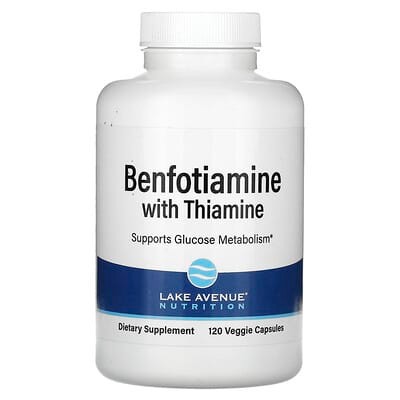
Benfotiamine (9)95
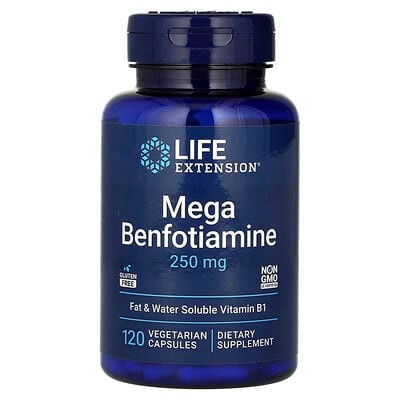
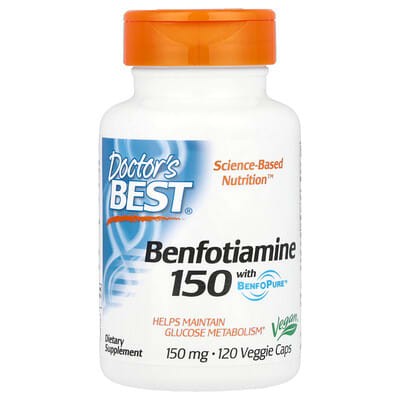
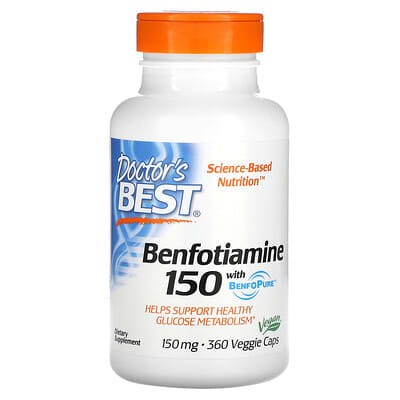
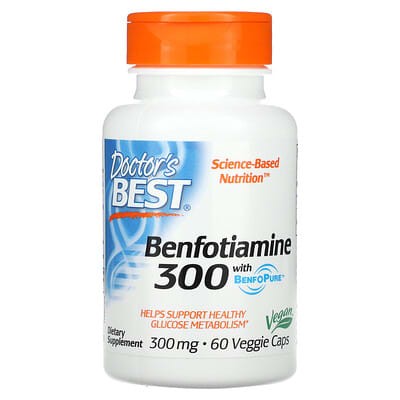
Benfotiamine is a synthetic, lipid-soluble (fat-soluble) derivative of thiamin. This unique property allows it to be absorbed much more efficiently by the body and penetrate cell membranes, particularly nerve cells, better than water-soluble thiamin forms, leading to higher and more sustained thiamin levels in tissues.
Pros
  • Superior bioavailability and absorption compared to water-soluble forms
  • Higher tissue penetration, especially in nerve cells
  • More sustained thiamin levels in the body
  • Less prone to degradation by thiaminases
Cons
  • More expensive than common water-soluble thiamin forms
  • May not be necessary for all individuals
Per product
Avg$29.73
Med$27.79
Per serving
Avg$0.56
Med$0.46
Per 10 mg
Avg$0.06
Med$0.05
Price distribution
S. cerevisiae (9)75
*Saccharomyces cerevisiae* is a species of yeast used to produce nutritional yeast and brewer's yeast. These yeasts are excellent natural sources of various B vitamins, including thiamin, along with proteins and minerals. The thiamin is present in its natural food-bound form.
Pros
  • Natural, whole-food source of thiamin
  • Contains other beneficial B vitamins, proteins, and minerals
  • Suitable for vegetarian and vegan diets
Cons
  • Thiamin concentration can be variable
  • May cause digestive upset (e.g., gas, bloating) in some individuals
  • Not a concentrated therapeutic form for severe deficiencies
Per product
Avg$40.77
Med$34.29
Per serving
Avg$0.94
Med$1.00
Per 1 mg
Avg$0.28
Med$0.27
Price distribution
Thiamine (7)85
Thiamine Hydrochloride (Thiamine HCl) is a synthetic, water-soluble salt of thiamin known for its stability and good absorption. It is one of the most widely used forms in dietary supplements and for enriching foods.
Pros
  • High stability and good bioavailability
  • Cost-effective and widely available
  • Standard form for treating thiamin deficiency
Cons
  • Can be destroyed by heat or certain food components (e.g., sulfites)
  • Water-soluble, so excess is readily excreted
Per product
Avg$26.63
Med$28.47
Per serving
Avg$1.06
Med$1.10
Per 10 mg
Avg$0.33
Med$0.30
Price distribution
Cocarboxylase (6)90
Cocarboxylase is an alternative name for Thiamine Pyrophosphate (TPP) or Thiamine Diphosphate (TDP), which is the biologically active coenzyme form of thiamin. In this form, thiamin directly participates in vital metabolic reactions, particularly in carbohydrate and branched-chain amino acid metabolism, without requiring prior conversion in the body.
Pros
  • Active coenzyme form, immediately utilized by the body
  • Potentially advantageous for individuals with impaired thiamin activation
  • Directly supports crucial energy pathways
Cons
  • Generally more expensive than standard salt forms of thiamin
  • Less common in mainstream supplements
  • May have specific requirements for stability
Per product
Avg$24.53
Med$26.48
Per serving
Avg$0.40
Med$0.40
Per 10 mg
Avg$0.10
Med$0.06
Price distribution