
Nutrient quality
Protein source details or amino-acid quality are too incomplete to confirm form quality. The protein amount is meaningful for a typical meal or post-exercise serving.
.
 iHerb iHerb | $ 44.99 | |
| iHerb | $ 44.99 |
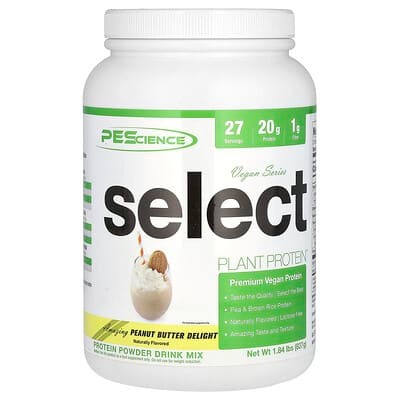
The serving provides 20 g protein with only 1 g fat and 4 g carbohydrate. Iron is meaningful, while calcium and potassium are modest.
The supplied data repeats calcium and iron entries and does not name the protein sources. Sweeteners, peanut ingredients, amino balance, and full directions are also absent.
The lean nutrition profile fits a fitness shake, but 400 mg sodium is notable for heart-focused shoppers. Better disclosure would be especially important for a peanut-flavored product.
Protein source details or amino-acid quality are too incomplete to confirm form quality. The protein amount is meaningful for a typical meal or post-exercise serving.
.Protein and nutrient totals are shown, but source-level active amounts are incomplete. Serving count is available, but complete scoop and preparation guidance are not supplied.
.The supplied average rating is strong. No specific feedback was supplied to judge recurring complaints or fit with the intended use.
.The protein amount partly supports the asking price, with disclosure or goal-fit limitations. Serving cost is reasonable but not especially compelling for the disclosed quality.
.| Ingredient | Amount per serving |
|---|---|
Calories | 110 Calorie(s) |
Total Fat | 1 Gram(s) |
Cholesterol | 0 mg |
Sodium | 400 mg |
Total Carbohydrates | 4 Gram(s) |
Protein | 20 Gram(s) |
Vitamin D | 0 mcg |
Calcium | 40 mg |
Iron | 6 mg |
Potassium | 100 mg |
The sodium amount falls within the preferred range for many exercise settings. Potassium adds supporting coverage, though its form and the sodium source are not disclosed. Plant protein provides broader nutritional value, while carbohydrate leaves the sugar load uncertain.
An undisclosed iron form prevents an absorption-quality assessment, while the scoopable powder is easy to disperse. The iron amount is low, and meaningful absorption cofactors are absent. The serving cost is high, and one measured unit keeps the serving convenient.
The potassium appears naturally associated with plant protein, but its chemical form is unknown. The 100 mg serving is low and the label gives only one potassium value. A high serving cost makes the product poor value when potassium delivery is the priority.