
Nutrient quality
Moderate caffeine and a coherent tea blend fit mild energy and focus support. Unquantified tea actives, basic vitamin forms, and weak fish-oil detail limit nutrient quality.
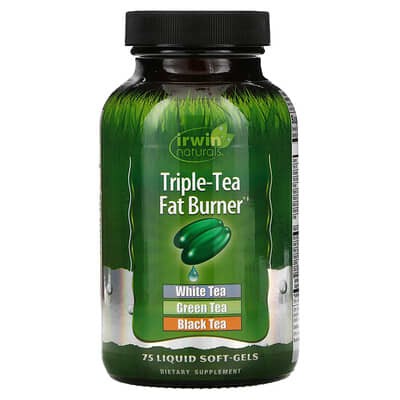
 iHerb iHerb | $ 19.99 | |
 Amazon Amazon | $ 14.95 | |
 Vitacost Vitacost | $ 24.99 |
Caffeine provides a mild, predictable alertness effect, while green, white, and black tea extracts give the formula a coherent stimulant theme. Basic B vitamins add metabolic support, but they are not likely to drive the immediate experience.
EGCG and other tea actives are not quantified, so the contribution beyond caffeine cannot be assessed. Fish oil is listed without EPA, DHA, species, or molecular form, making it a poor reason to choose this product.
The low-cost liquid softgel may suit adults wanting a gentler energy lift rather than a strong focus formula. Timing matters because even a moderate caffeine serving can disrupt sleep or cause jitters in sensitive users.
Moderate caffeine and a coherent tea blend fit mild energy and focus support. Unquantified tea actives, basic vitamin forms, and weak fish-oil detail limit nutrient quality.
Caffeine and most ingredient weights are stated without a proprietary blend. EGCG yield, omega-3 amounts, several extract contributions, and inactive ingredients remain unclear.
The aggregate rating is favorable and supported by extensive feedback volume. No detailed comments are supplied to show recurring energy, taste, or tolerance patterns.
The low serving cost makes the mild stimulant effect reasonably economical. Weakly specified tea actives and low-value extras keep the product from leading its category.

The disclosed caffeine provides a mild and reliable alertness boost, while niacin and other B vitamins add basic metabolic support. Fish oil and tea extracts may support general cellular health, but their active amounts are not well defined.
The formula offers more breadth than caffeine alone, yet several supporting ingredients are modest or lack standardized yields. Caffeine-sensitive users may experience jitters or sleep disruption even from this moderate stimulant serving.

A mild caffeine amount may improve alertness, and the three tea extracts provide a coherent stimulant source. The effect is likely gentler than that of a dedicated focus formula.
Exact caffeine disclosure is useful, but tea actives and total stimulant contribution are not fully characterized. Vitamins, fish oil, and metabolism-oriented additions broaden the label without adding much acute cognitive value.
| Ingredient | Amount per serving |
|---|---|
Calories | 10 Calorie(s) |
Total Fat | 0.5 Gram(s) |
Cholesterol | 5 mg |
Total Carbohydrates | 1 Gram(s) |
Protein | 1 Gram(s) |
Vitamin C | 70 mg |
Vitamin E | 5 mg |
Niacin | 10 mg |
Vitamin B6 | 1 mg |
Folate | 340 mcg DFE |
Folic Acid | 200 mcg |
Vitamin B12 | 3 mcg |
Fish Oil | 478 mg |
Green Tea extract | 100 mg |
White Tea extract | 100 mg |
Orange Pekoe (Black) Tea extract | 100 mg |
Caffeine | 65 mg |
Citrus spp. Fruit Extract | 1.5 mg |
BioPerine Complex | 6 mg |
Bioperine Black Pepper extract | 0 NP |
Ginger extract | 0 NP |
The 340 mcg DFE serving uses synthetic folic acid, which requires more conversion than active folate forms. Clear DFE and source disclosure makes biological potency easy to interpret. The label clearly connects DFE to its folic acid source, while B12 remains below the preferred threshold.
Vitamin C and black pepper may support catechin stability and absorption in this multi-tea formula. The label states 65 mg of caffeine but does not quantify EGCG. Stimulant exposure is clear, while active-dose value remains unverifiable.
Fish oil serves as a secondary ingredient in a tea-based stimulant formula rather than as a transparent omega-3 supplement. Vitamin E may help limit oxidation, but the fish species, EPA, and DHA amounts are not disclosed. The molecular form, purification process, independent testing, active potency, and fish-oil value cannot be verified.
Published studies used for the product analysis and the top-ranked studies for each ingredient and goal.