
Nutrient quality
Whey isolate and vitamin D3 provide useful, well-regarded forms, and the protein amount is substantial. Undisclosed mineral forms, modest leucine, and a low-value MCT addition limit the formula's precision.
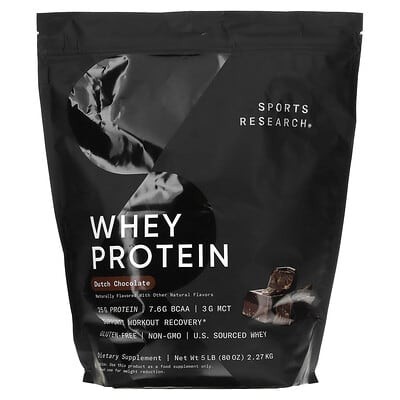
 iHerb iHerb | $ 120.03 | |
| iHerb | $ 120.03 | |
 Amazon Amazon | $ 89.95 |
The 25 g whey isolate serving provides concentrated protein with relatively little carbohydrate. Added leucine, vitamin D3, calcium, and potassium complement general nutrition and muscle-maintenance needs.
The disclosed 1 g leucine amount is below the usual meal-level trigger used for focused muscle protein synthesis. Iron and potassium contribute to daily intake but are too modest or poorly specified for dedicated supplementation.
Heart-health relevance is limited because the powder lacks omega-3s, magnesium, vitamin K2, CoQ10, or a vascular-focused active. Moderate sodium and 3 g MCT oil are acceptable formula features, but neither makes it a cardiovascular product.
Whey isolate and vitamin D3 provide useful, well-regarded forms, and the protein amount is substantial. Undisclosed mineral forms, modest leucine, and a low-value MCT addition limit the formula's precision.
Every listed active has a stated amount, and no proprietary blend obscures the formula. Missing source forms for several minerals and absent usage and excipient details leave important label questions.
The supplied average rating is strong and is supported by a large review count. No detailed feedback is available to judge repeated complaints or whether experiences consistently match the intended use.
A substantial whey-isolate serving and broad customer uptake provide practical value. The premium cost is less compelling because supporting nutrients use unclear forms and the added leucine is modest.

Whey isolate supplies high-quality protein, while potassium and vitamin D provide modest general support. These nutrients do not make the powder a targeted cardiovascular product.
No omega-3s, K2, magnesium, CoQ10, or vascular active is included. Sodium is moderate and the added MCT fat offers no clear heart-health advantage.
| Ingredient | Amount per serving |
|---|---|
Calories | 150 Calorie(s) |
Total Fat | 4 Gram(s) |
Total Carbohydrate | 4 Gram(s) |
Protein | 25 Gram(s) |
Vitamin D (Cholecalciferol) | 20 mcg |
Calcium | 133 mg |
Iron | 3 mg |
Sodium | 220 mg |
Potassium | 347 mg |
Whey Protein Isolate | 25 Gram(s) |
Medium Chain Triglycerides | 3 Gram(s) |
L-Leucine | 1000 mg |
An undisclosed sodium source limits confidence in ingredient quality. The low sodium dose is unlikely to replace heavy sweat losses by itself. Supporting electrolytes are included, though their form quality is uncertain, while the serving cost offers no clear advantage for electrolyte support.
The 3 mg iron serving is below the effective target range for focused supplementation. The label states an iron amount but does not identify the iron compound. No qualifying vitamin C, folate, or vitamin B12 support is provided. Cost per serving is far above the collection benchmark.
Leucine comes from a whole-protein amino acid profile rather than a free-form addition; the powder has no disclosed processing to improve solubility. The serving amount is below the recognized trigger range for muscle protein synthesis; the amount is clearly disclosed, and the scoop is larger than the standard range. Cost per gram of active leucine is high for the disclosed dose; whey protein also makes the formula unsuitable for people with a milk-protein allergy.
Published studies used for the product analysis and the top-ranked studies for each ingredient and goal.