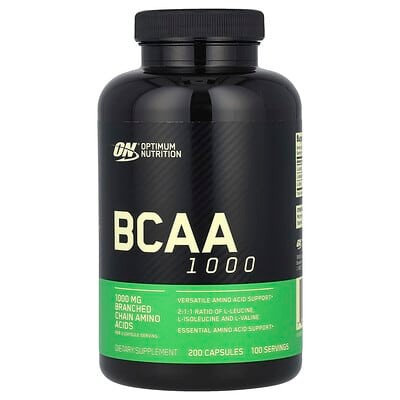
Leucine
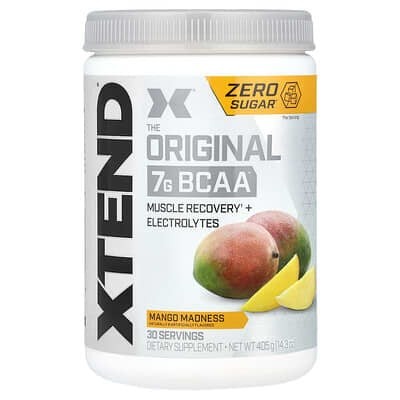
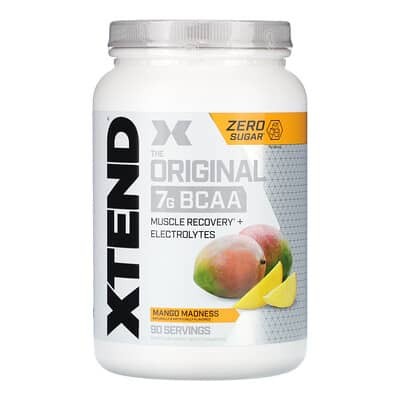
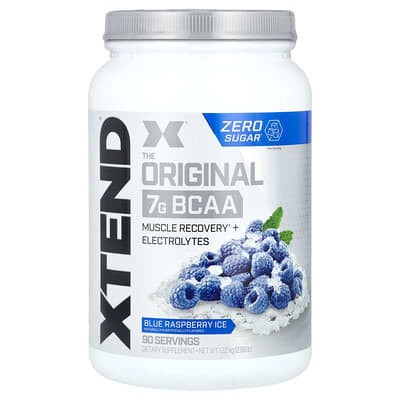
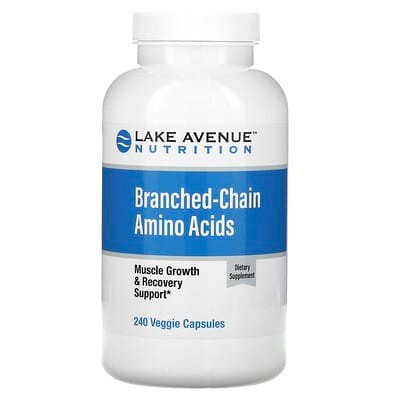
amino acidLeucine is one of three branched-chain amino acids (BCAAs), along with isoleucine and valine. As an essential amino acid, it cannot be produced by the body and must be obtained through diet or supplementation. It plays a role in various physiological processes, most notably acting as a stimulator of muscle protein synthesis. Leucine primarily activates the mTOR (mammalian target of rapamycin) pathway, which regulates cell growth, proliferation, and protein synthesis. This activation is involved in muscle repair, growth, and recovery following exercise. Beyond muscle building, leucine also contributes to the regulation of blood sugar levels and energy production. Due to its role in muscle metabolism, leucine is often used by athletes and those looking to maintain or increase muscle mass. It is frequently included in BCAA or complete amino acid formulations to support athletic performance, aid in recovery, and help prevent muscle breakdown, especially during intense training or calorie restriction.
No public comparison lists found.
4 safety notes
- Individuals with Maple Syrup Urine Disease (MSUD) should avoid leucine due to inability to metabolize BCAAs.
- Pregnant or breastfeeding women should consult a healthcare professional before supplementing.
- Monitor blood sugar levels if diabetic, as high doses may influence glucose metabolism.
- Excessive intake might lead to BCAA imbalance, potentially affecting niacin and vitamin B6 levels.
Studies
Positive Interactions