
Nutrient quality
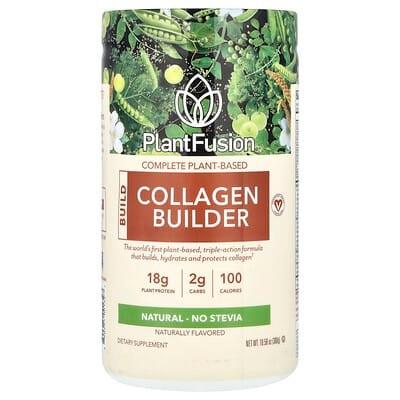
Protein, vitamin C, ceramides, and hyaluronic acid provide useful skin-support breadth. Small added amino-acid amounts and incomplete mineral forms reduce functional depth.
 iHerb iHerb | $ 34.48 | |
 Amazon Amazon | $ 34.48 |
The 18 gram protein serving offers the strongest support for meeting daily amino acid needs. Added vitamin C, glycine, and proline fit collagen synthesis, but the free amino acid amounts are small relative to the base protein.
Wheat ceramides and hyaluronic acid add a clear skin-hydration angle. Amla, white tea, boron, and an enzyme blend are secondary features without enough supplied detail to define a distinct benefit.
A natural no-stevia flavor may appeal to users avoiding that sweetener. High sodium, twelve servings, and a premium daily cost make the product a specialized choice rather than an efficient protein powder.
Protein, vitamin C, ceramides, and hyaluronic acid provide useful skin-support breadth. Small added amino-acid amounts and incomplete mineral forms reduce functional depth.
Most specialty actives have specific amounts and useful names. Proprietary protein and enzyme blends, missing inactive ingredients, and incomplete amino-acid detail limit transparency.
The aggregate rating is mixed despite a substantial feedback volume. No detailed comments are supplied to explain recurring taste, texture, or tolerance concerns.
Meaningful protein and broad skin-support ingredients partly justify the premium positioning. The high serving cost and hidden blend composition reduce category value.

Protein, vitamin C, proline, glycine, ceramides, hyaluronic acid, and polyphenols address skin structure, hydration, barrier function, and oxidative defense. Branded wheat ceramides and a disclosed hyaluronic acid amount make the formula unusually broad for a plant-based option.
The product does not supply collagen itself, and the added proline and glycine amounts are small beside the total protein blend. Hyaluronic acid is also modest, while the large proprietary protein blend prevents full amino acid review.
No linked studies yet.
| Ingredient | Amount per serving |
|---|---|
Calories | 100 Calorie(s) |
Total Fat | 2.5 Gram(s) |
Total Carbohydrates | 2 Gram(s) |
Protein | 18 Gram(s) |
Vitamin C (Ascorbic Acid) | 150 mg |
Vitamin D3 | 12.5 mcg |
Vitamin K2 (Menaquinone-7) | 50 mcg |
Calcium | 10 mg |
Iron | 3 mg |
Sodium | 390 mg |
Potassium | 20 mg |
PlantFusion Amino Acid Infused Protein Blend | 21 Gram(s) |
PlantFusion Proprietary Enzyme Blend | 100 mg |
OxyPhyte White Tea extract (Polyphenols) | 100 mg |
L-Proline | 100 mg |
Glycine | 100 mg |
Saberry (Emblica officinalis) (Amla) fruit extract (Beta-Glucogallin, Gallic Acid) | 50 mg |
Hyaluronic Acid | 50 mg |
PhytoCeramides (Ceramosides Triticum vulgare seed extract) | 30 mg |
FruitX-B-Boron (Calcium Fructoborate) | 1.5 mg |
The 390 mg sodium amount fits the preferred range for replacing sweat losses during activity. Its sodium source and potassium form are not identified, and no buffering or trace-mineral support is listed. The serving cost reflects a complex protein formula rather than an electrolyte-focused product, while the included vitamin K2 can oppose warfarin's effect and requires consistent intake for people using that medicine.
Explicit L-proline labeling provides confidence in the active isomer, but the amount is modest for targeted structural support. The powder discloses the dose clearly, yet its complex protein blend is less minimal than a single-ingredient powder and its proline-specific value is poor. The 390 mg sodium serving may matter for people following a sodium-restricted diet.
Generic MK-7 is clearly identified at a maintenance amount below the main clinical target. The powder contains dietary fat but remains expensive for its underdosed K2 contribution. People using warfarin or another vitamin K antagonist should keep vitamin K intake consistent and follow their anticoagulation plan.
Published studies used for the product analysis and the top-ranked studies for each ingredient and goal.