
Nutrient quality
Rhodiola and some companion extracts are identifiable, but most of the blend lacks form detail. Key disclosed ingredients are modest and hidden blend contents prevent confirmation of a meaningful full dose.
 Vitacost Vitacost | $ 37.34 | |
 Amazon Amazon | $ 37.34 | |
 iHerb iHerb | $ 37.34 | |
 Pure Formulas Pure Formulas | $ 37.34 | |
| iHerb | $ 37.34 |
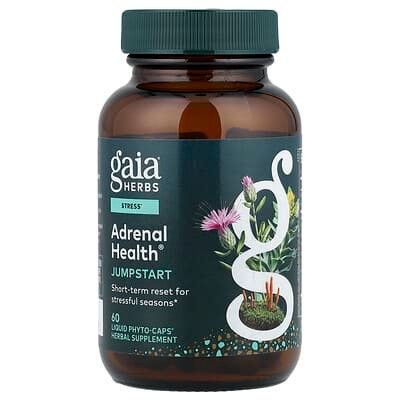
60 mg of Siberian Rhodiola and 150 mg Rhaponticum and 40 mg cordyceps provide the transparent portion of the adaptogen formula. The combination is relevant to stress-related fatigue and daytime resilience rather than immediate stimulant energy.
A 700 mg proprietary extract blend accounts for most of the formula but does not reveal its ingredient-level amounts. Rhodiola rosavins and salidrosides are also not stated, so potency cannot be matched to characterized extracts.
The two-capsule serving may suit users who value an all-in-one adaptogen product. Very poor value and incomplete disclosure make a simpler, fully labeled rhodiola or holy-basil product easier to evaluate.
Rhodiola and some companion extracts are identifiable, but most of the blend lacks form detail. Key disclosed ingredients are modest and hidden blend contents prevent confirmation of a meaningful full dose.
Some named actives have amounts, but the largest extract blend lacks ingredient-level quantities. A proprietary extract blend hides most of the formula and its key doses.
The supplied aggregate rating indicates strong satisfaction, though no experience details are provided. The large response count gives the aggregate rating a dependable base.
Formula limitations make the cost difficult to justify. The serving cost is high relative to the disclosed formula.
| Ingredient | Amount per serving |
|---|---|
Calories | 5 Calorie(s) |
Total Carbohydrates | 1 Gram(s) |
Rhaponticum carthamoides (Stemmacantha carthamoides) root extract | 150 mg |
Siberian Rhodiola (Rhodiola rosea) root extract | 60 mg |
organic Cordyceps (Cordyceps militaris) Mushroom fruiting body extract | 40 mg |
Proprietary Extract Blend | 700 mg |
The clearly identified Rhodiola rosea extract uses a practical liquid phyto-cap form, but its active-marker standardization is not disclosed. The 60 mg serving is below the usual effective range even though the individual amount is transparent. Missing standardization and incomplete excipient details make both quality and value difficult to confirm.