Impact
High effect
Typical dose:100–600 mg
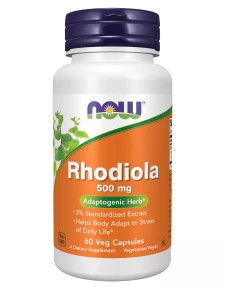
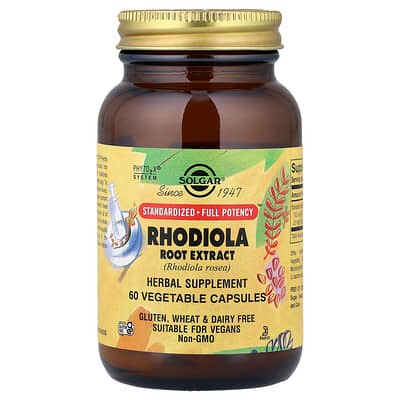
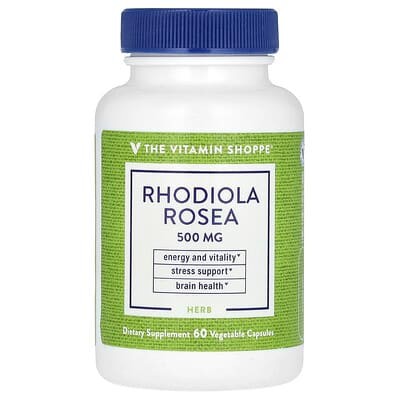
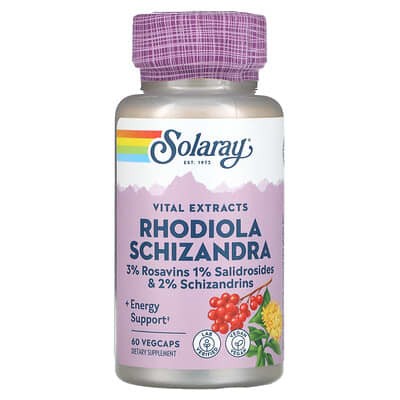
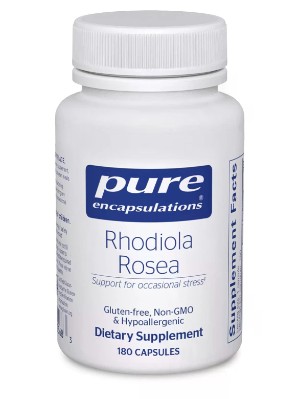
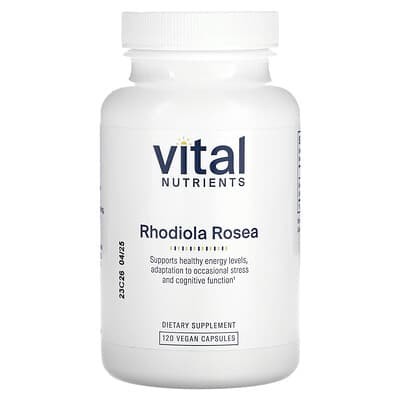
Rhodiola rosea helps the body adapt to physical and mental stressors. It has an acute effect on reducing the feeling of 'burnout,' enhancing concentration, and improving mood by influencing levels of neurotransmitters like serotonin and dopamine.
- Focuses on
- Most relevant for
- Individuals facing high-stress workloads, burnout, or fatigue who need to maintain mental performance.
Potential benefits
- Focus Under Pressure.Standardized extracts help maintain attention and reduce errors during demanding cognitive tasks, even under conditions of sleep deprivation.
- Mental Endurance.Rhodiola acts as an adaptogen to improve mental work capacity and decrease the cognitive impairment caused by stress-related fatigue.
- Short-Term Memory Support.Evidence suggests it may improve short-term memory accuracy and associative thinking when performance is compromised by exhaustion.
Limitations
- Fatigue-Specific Benefits.Current research primarily supports cognitive improvements in people who are already fatigued or stressed; benefits for well-rested individuals are not established.
- Evidence Quality Constraints.Some observed improvements in reaction time and memory come from single-arm trials or combination therapies with ginkgo, which require further high-quality validation.
- Extract Standardization.Clinical evidence is largely based on specific standardized extracts like SHR-5, and results may not generalize to all rhodiola preparations.
Study evidence
7 studiesRhodiola may support attention and mental performance when stress or fatigue is reducing performance. The favorable evidence mainly concerns standardized extracts in these settings, and it does not establish a broad or lasting cognitive benefit in well-rested people.
View goal