
Nutrient quality
Algae provides a useful non-fish omega source, though the specific fatty-acid forms are not disclosed. The core amounts may contribute, but they are modest relative to stronger category products.
 iHerb iHerb | $ 34.29 | |
| iHerb | $ 34.29 | |
 Vitacost Vitacost | $ 37.73 | |
 Amazon Amazon | $ 34.29 | |
| Vitacost | $ 37.73 |
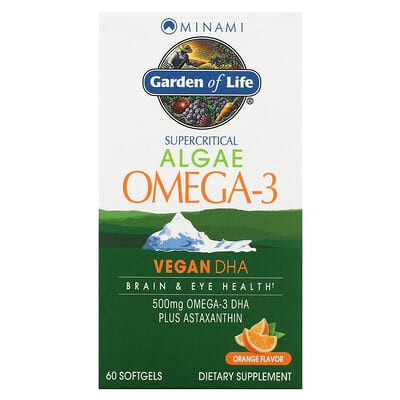
The softgel supplies 500 mg of total omega-3 fats with 1.5 mg of astaxanthin. An algae-based formula may suit people avoiding fish-derived oils.
EPA and DHA are not separated, so the most relevant fatty-acid contribution cannot be assessed. Astaxanthin is modest for targeted use, and its source is not identified.
Plant-based users seeking light skin and omega support are the clearest fit. Anyone wanting a precise EPA, DHA, or astaxanthin dose should select a more fully specified label.
Algae provides a useful non-fish omega source, though the specific fatty-acid forms are not disclosed. The core amounts may contribute, but they are modest relative to stronger category products.
Total omega fatty acids and astaxanthin have amounts, but DHA and EPA are not separated. No proprietary blend hides the listed actives.
The supplied aggregate rating metric is very favorable, though it gives no specific experience details. The substantial response count gives the aggregate metric a dependable base.
Formula quality is reasonable for the cost, with some limitations. The serving cost is moderate relative to the disclosed formula.

Omega-3 fats and astaxanthin address skin barrier balance and oxidative stress through complementary pathways. Human evidence is relevant for both, but the astaxanthin amount is below the range commonly used for visible skin outcomes.
The omega-3 total is useful, while individual fatty acids and the astaxanthin source are not identified. The softgel format suits these fat-soluble actives and keeps the formula focused.
| Ingredient | Amount per serving |
|---|---|
Total Omega-3 Fatty Acids | 500 mg |
Astaxanthin | 1.5 mg |
The softgel combines astaxanthin with omega fats that support absorption, but the astaxanthin source and manufacturing standard are not identified. The dose is below the usual clinical range even though the active amount is stated clearly. High cost per active amount and missing oxidation-protection details limit its appeal for astaxanthin-focused use.
The algal source and astaxanthin offer sustainable sourcing with strong oxidative protection. The molecular form and EPA-to-DHA breakdown are not supplied, and concentration cannot be confirmed without total oil weight. Its cost per disclosed omega-3 gram is high.
Published studies used for the product analysis and the top-ranked studies for each ingredient and goal.