
Nutrient quality
A substantial complete-protein amount provides the main nutritional strength. Unspecified protein and mineral forms plus limited heart-specific design reduce confidence in quality and intended-use fit.
 Vitacost Vitacost | $ 43.99 | |
 iHerb iHerb | $ 41.26 |
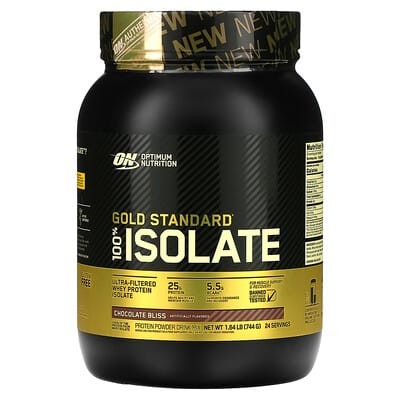
A 25 g whey-isolate serving provides concentrated complete protein in a lean format. The very small fat and carbohydrate amounts suit users who want protein without many added calories.
Low cholesterol is a practical advantage compared with many whey powders. Sodium is moderate and potassium is modest, so the mineral profile does not make this a targeted heart-support formula.
The isolate identity improves clarity around the protein source. However, the supplied data omits inactive ingredients and processing details, leaving flavoring, sweeteners, and tolerance factors uncertain.
A substantial complete-protein amount provides the main nutritional strength. Unspecified protein and mineral forms plus limited heart-specific design reduce confidence in quality and intended-use fit.
Protein and basic nutrition totals are clear enough to judge the main serving. Missing source ingredients, mineral forms, full directions, and non-active ingredients prevent complete label assessment.
The supplied average is strong and supported by substantial response volume. No comment-level evidence is available to assess repeated complaints or alignment with the intended use.
A substantial complete-protein serving provides practical nutritional value. Incomplete source disclosure and weak heart-specific utility limit the quality case at the stated category cost.
| Ingredient | Amount per serving |
|---|---|
Calories | 110 Calorie(s) |
Total Fat | 0.5 Gram(s) |
Cholesterol | 5 mg |
Sodium | 190 mg |
Total Carbohydrates | 1 Gram(s) |
Protein | 25 Gram(s) |
Calcium | 150 mg |
Iron | 0.5 mg |
Potassium | 240 mg |
The sodium amount is too low for intense athletic replenishment. Potassium is included, but neither electrolyte source is identified and no buffering minerals are shown. The protein-focused formula has favorable carbohydrate content but limited value as a sodium product.
The 240 mg potassium amount offers moderate support but falls below the collection median. Its chemical form is not disclosed, which limits confidence in bioavailability. The serving cost is high for the potassium delivered because the powder is primarily positioned as a protein supplement.
Published studies used for the product analysis and the top-ranked studies for each ingredient and goal.