

Nutrient quality
The iron amount is potent and directly supports deficiency-oriented use. A harsh sulfate form and aggressive dose create substantial tolerance and overdosing concerns.
 iHerb iHerb | $ 4.93 |
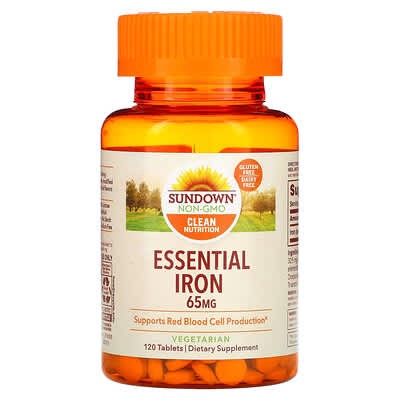
Ferrous sulfate supplies 65 mg of iron in a simple one-active tablet. That amount may be useful when a clinician has identified a substantial need, but it is far beyond a light maintenance dose.
Ferrous sulfate is effective yet commonly harder on the stomach than chelated forms. Constipation, nausea, abdominal discomfort, and dark stools are practical concerns at this amount.
The clear label, large tablet count, and very low serving cost are genuine strengths. Safety and tolerability matter more than price here, so monitoring iron status is important during use.
The iron amount is potent and directly supports deficiency-oriented use. A harsh sulfate form and aggressive dose create substantial tolerance and overdosing concerns.
The active form and amount are clearly disclosed without a proprietary blend. Missing full use guidance and non-active tablet ingredients leave practical gaps for a high-dose product.
The supplied average is strong and supported by very large response volume. No comment-level evidence is available to assess repeated complaints or alignment with the intended use.
Very low serving cost and a clearly measured active support strong economic value. Harsh form quality and a dose unsuitable for routine use reduce practical value.

The high-potency iron amount can support energy when iron deficiency limits oxygen transport. Ferrous sulfate is effective, but it is more likely to cause nausea, constipation, or stomach upset than gentler chelated forms.
The 65 mg serving is better suited to a confirmed iron need and professional guidance than casual energy use. A single-tablet formula is clear and focused, but it offers no vitamin C or blood-building cofactors.

Iron can help hair recovery when iron deficiency is confirmed, making the ingredient highly relevant for a specific group. The 65 mg ferrous sulfate amount is a treatment-level serving rather than routine general hair support.
People with adequate iron should not use this as a hair supplement because excess iron offers no benefit and can be harmful. The high amount commonly causes constipation or nausea and poses serious overdose risk, particularly for children.

Iron may improve energy and work capacity when deficiency is causing fatigue. The 65 mg amount is not a general productivity enhancer for people with adequate iron status.
Ferrous sulfate provides a clearly disclosed single-mineral dose without absorption cofactors. Iron can cause nausea or constipation and should not be used at this amount without a demonstrated need because excess iron can be harmful.
| Ingredient | Amount per serving |
|---|---|
Iron (Ferrous Sulfate) | 65 mg |
High-potency ferrous sulfate delivers a substantial iron amount at very low cost. The form may cause more digestive discomfort than chelated iron, and no absorption cofactors are included. Single-tablet convenience is strong, but the high dose is better suited to a clearly established iron need.
Published studies used for the product analysis and the top-ranked studies for each ingredient and goal.