
Nutrient quality
The named egg-white source provides good protein quality with a substantial protein amount. Small amounts of carbohydrate and fat slightly reduce protein density, while the mineral forms remain unspecified.
 iHerb iHerb | $ 44.10 | |
 Vitacost Vitacost | $ 44.10 | |
| Vitacost | $ 44.10 | |
 Daily Vita Daily Vita | $ 42.30 | |
 Pure Formulas Pure Formulas | $ 40.71 |
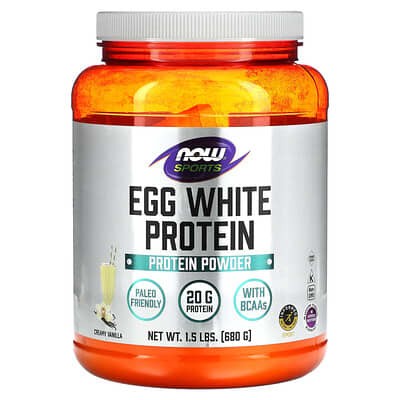
A 20 g egg-white protein dose in 110 calories is a useful middle ground between a snack and a larger shake. Fat stays at 0.5 g and carbohydrate at 4 g, while the named egg source improves protein transparency.
Potassium is 331 mg and sodium is 320 mg, leaving almost no advantage in their balance. The protein content adds nutritional value, but the mineral profile is not a reason to choose it for heart-focused support.
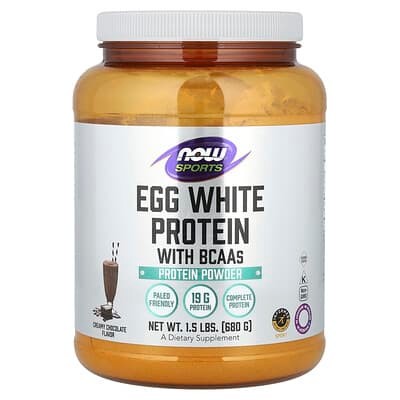
The creamy chocolate format suits people who want flavor without much fat. A relatively costly serving and limited cardiovascular breadth are meaningful drawbacks, and the egg ingredient rules it out for anyone with an egg allergy.
The named egg-white source provides good protein quality with a substantial protein amount. Small amounts of carbohydrate and fat slightly reduce protein density, while the mineral forms remain unspecified.
The nutrition panel clearly states protein, macronutrient, sodium, and potassium amounts. The underlying protein ingredients, serving directions, and non-active ingredients are missing from the supplied details.
The supplied average rating is positive and is supported by limited review count. No detailed feedback is available to assess repeated complaints or purpose-specific experiences.
A named complete-protein source supports formula quality. The smaller package and high qualitative serving cost weaken serving value and competitiveness.
| Ingredient | Amount per serving |
|---|---|
Calories | 110 Calorie(s) |
Total Fat | 0.5 Gram(s) |
Cholesterol | 5 mg |
Sodium | 320 mg |
Total Carbohydrates | 4 Gram(s) |
Protein | 20 Gram(s) |
Vitamin D | 0 mcg |
Calcium | 27 mg |
Iron | 1 mg |
Potassium | 331 mg |
The sodium amount is well suited to typical athletic replenishment, but its source form is not disclosed. Potassium adds supporting electrolyte coverage, though its chemical form is unclear. The formula's protein content helps explain its higher serving cost, while the carbohydrate load remains moderate.
Potassium approaches the collection median, but the chemical source is not disclosed. The egg protein adds substantial purpose beyond the mineral, although the serving is costly. A single value likely reflects elemental content, while missing form detail prevents a quality assessment.
Published studies used for the product analysis and the top-ranked studies for each ingredient and goal.