
Nutrient quality
Citrate, aspartate, chelated selenium, and buffered vitamin C provide strong form quality. Potassium and magnesium are useful for hydration, while many trace minerals are token additions.
.
 iHerb iHerb | $ 20.99 | |
 Pure Formulas Pure Formulas | $ 20.99 | |
 Amazon Amazon | $ 25.00 |
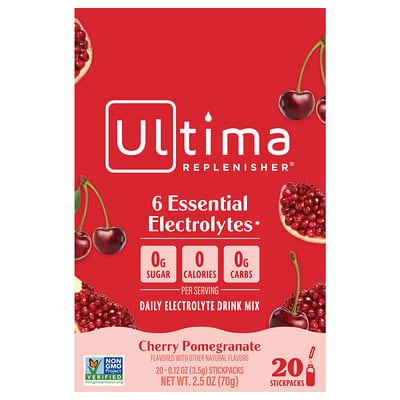
Each packet combines potassium, magnesium, sodium, chloride, calcium, phosphorus, and trace nutrients in a carbohydrate-free drink. Aspartate, citrate, phosphate, and chelated forms provide generally sound ingredient quality.
The mineral amounts fit routine hydration more than intense rehydration. Sodium and chloride are modest, while several trace elements contribute little practical depth at their small amounts.
Packets are convenient for travel, work, or gym bags, but the serving supply is short. Users paying for portability should not expect stronger electrolyte potency than the tub formats.
Citrate, aspartate, chelated selenium, and buffered vitamin C provide strong form quality. Potassium and magnesium are useful for hydration, while many trace minerals are token additions.
.All meaningful active amounts are clearly disclosed. The supplied data does not include a complete inactive ingredient list.
.The aggregate satisfaction measure is supported by adequate volume. Missing feedback themes leave recurring complaints and purpose fit uncertain.
.The price is difficult to justify for the formula quality and dose. Each serving is costly relative to its effective value.
.
Potassium and magnesium provide modest support for vascular tone and electrolyte balance. Their amounts are better suited to routine hydration than to a targeted cardiovascular intervention.
Most trace nutrients are present at very small amounts and do not add meaningful heart-health depth. Potassium can accumulate in people with impaired kidney function or those using potassium-sparing diuretics, ACE inhibitors, or angiotensin receptor blockers.
| Ingredient | Amount per serving |
|---|---|
Calories | 0 Calorie(s) |
Total Carbohydrates | 0 Gram(s) |
Vitamin A (Beta-Carotene) | 1500 IU |
Vitamin C (Calcium Ascorbate) | 100 mg |
Calcium (Calcium Ascorbate, Calcium Citrate) | 65 mg |
Phosphorus (Potassium Phosphate) | 70 mg |
Magnesium (Magnesium Citrate) | 100 mg |
Zinc (Zinc Citrate) | 1 mg |
Selenium (Selenium Amino Acid Chelate) | 1.25 mcg |
Copper (Copper Citrate) | 0.2 mg |
Manganese (Manganese Citrate) | 0.2 mg |
Chromium (Chromium Nicotinate Glycinate Chelate) | 5 mcg |
Molybdenum (Sodium Molybdate) | 3.5 mcg |
Chloride (Sodium Chloride) | 79 mg |
Sodium (Sodium Chloride) | 55 mg |
Potassium (Potassium Aspartate, Potassium Phosphate) | 250 mg |
Potassium phosphate is fully identified, yet it does not mirror the calcium-phosphate structure preferred for bone-focused support. The phosphorus amount falls at the lower end of the targeted range and comes in a convenient single packet. The packet format carries a notably higher serving cost than the collection norm.
Potassium comes from a useful blend of aspartate and phosphate, though phosphate is the less versatile form. The moderate serving falls short of the collection's effective-dose benchmark. Single-serve convenience carries a higher cost without improving potency.
The single-serve electrolyte powder provides beta-carotene at a modest multivitamin-level dose. Its source is not identified, and the dry mix contains no stated fat for absorption. The mineral formula adds utility, but the serving format is costly for the vitamin A delivered.
Published studies used for the product analysis and the top-ranked studies for each ingredient and goal.