Impact
Situational effect
Typical dose:50–200 mg
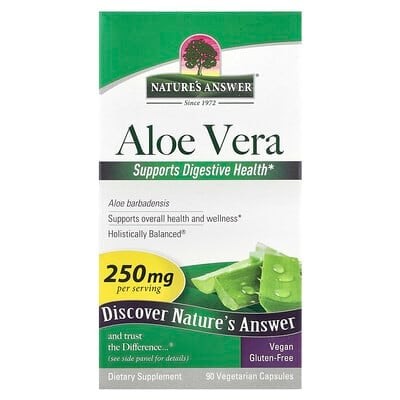
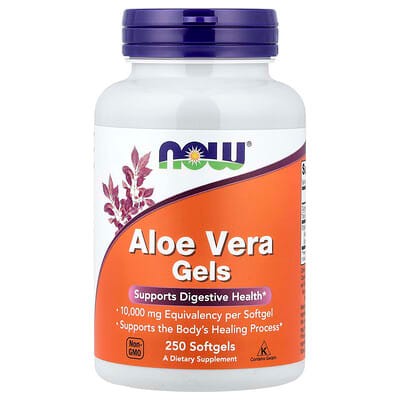
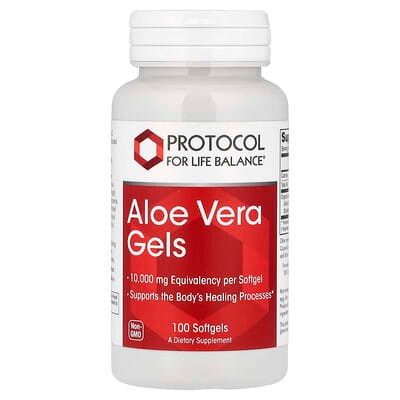
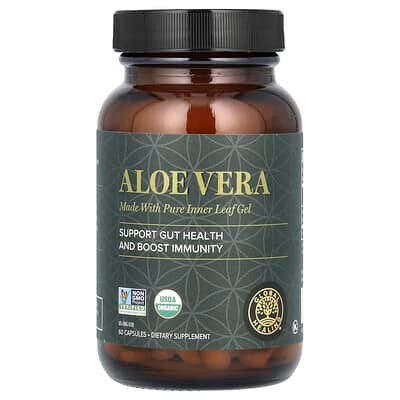
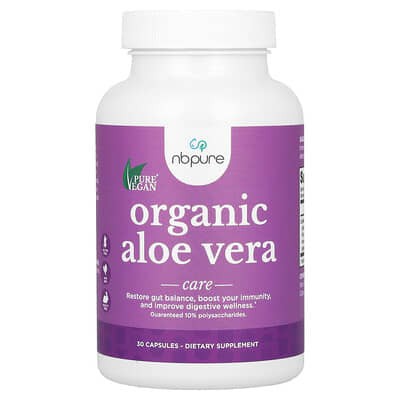
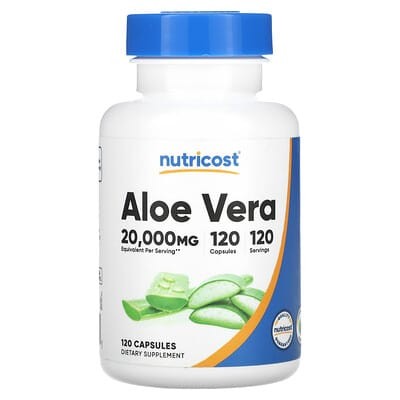
The inner leaf gel of Aloe vera has demulcent properties, creating a soothing, protective coating over mucous membranes. This can provide relief from irritation associated with acid reflux or gastritis. It's critical to use a product purified of aloin, the plant's natural laxative component.
- Focuses on
- Most relevant for
- Individuals seeking to manage symptoms of irritable bowel syndrome or mild inflammatory bowel issues.
Potential benefits
- IBS symptom management.Some pooled data suggests aloe may reduce global symptoms of irritable bowel syndrome, though individual clinical trials show inconsistent results regarding overall relief.
- Inflammatory bowel support.Preliminary research indicates that oral aloe gel may help improve clinical response and reduce tissue inflammation in patients with mild to moderate ulcerative colitis.
- Soothing mucosal lining.Unconfirmed. Traditionally used for its demulcent properties to coat and soothe the esophagus and stomach, though specific clinical trials for reflux or gastritis are not included in the provided evidence.
Limitations
- Inconsistent evidence.Large randomized trials have failed to show that aloe is superior to placebo for improving quality of life or consistently relieving symptoms in IBS patients.
- Limited general applicability.Most research focuses on specific medical conditions like ulcerative colitis; there is no evidence establishing a benefit for general digestive maintenance in healthy individuals.
- Contextual constraints.Positive results seen with topical aloe ointments for radiation-induced bowel symptoms cannot be assumed to translate to oral supplements for general digestion.
Things to consider
Ensure the product is purified of aloin, a natural component of the aloe leaf that acts as a potent laxative and can cause abdominal pain or cramping.
Study evidence
7 studiesAloe may ease some symptoms in specific digestive conditions, but evidence for oral products is mixed and does not establish a general digestive benefit. Promising findings from aloe ointments for radiation-related bowel symptoms cannot be assumed to transfer to supplements.
View goal