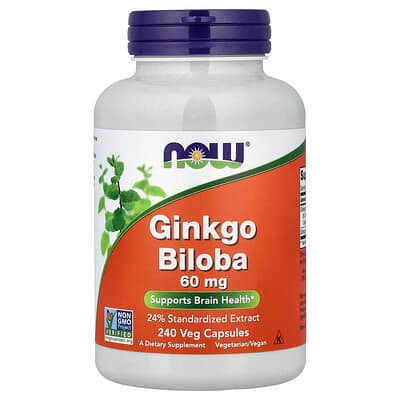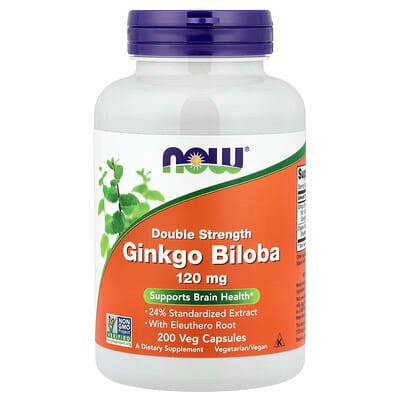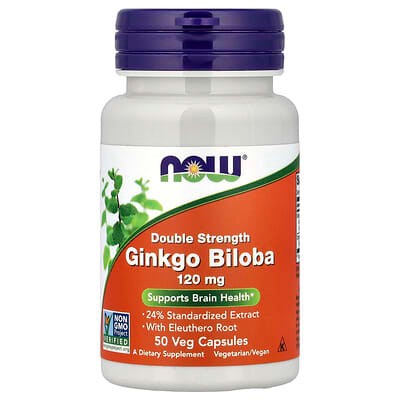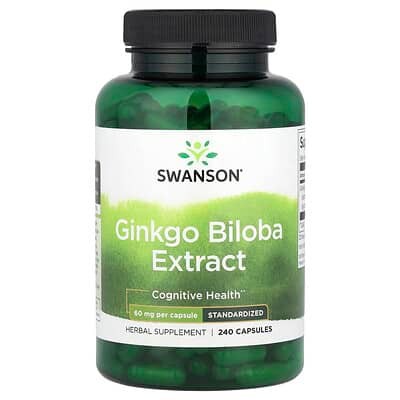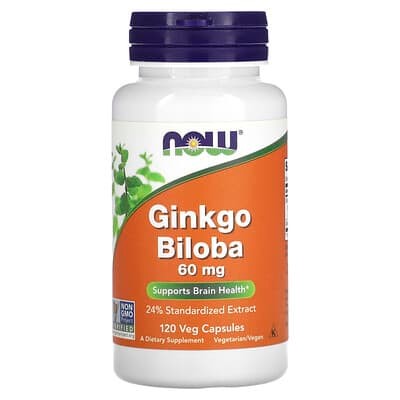
Ginkgo

botanical

Ginkgo biloba is an ancient tree species with fan-shaped leaves that have been used in traditional medicine for thousands of years. Its leaf extract contains flavonoids and terpenoids, compounds believed to underlie its health benefits. These antioxidants help neutralize free radicals and reduce oxidative stress. Ginkgo's effects are linked to enhanced blood flow, particularly microcirculation in the brain. Improved cerebral circulation is thought to support memory, focus, and mental clarity. Ginkgo may also support peripheral circulation elsewhere in the body. Researchers also study ginkgo's anti-inflammatory properties and its role in neurotransmitter regulation. These areas of research explain its use in supplements intended to support brain health, mental sharpness, and age-related cognitive decline.

Natural sources
Leaves of the Ginkgo Biloba tree

Ingredient forms

No public comparison lists found.

Timing & Intake
AnytimeWith food
Taking this botanical with food is often recommended to support absorption and minimize the possibility of gastrointestinal upset. Consistent daily use is typically suggested for optimal results.
Optimal Dosage
Minimum120 mg
Maximum240 mg
Safety & Toxicity
4 safety notes
  • Individuals with bleeding disorders, those taking blood-thinning medications, or those scheduled for surgery should avoid Ginkgo due to its potential to increase bleeding risk.
  • Use with caution in individuals prone to seizures, as Ginkgo may lower the seizure threshold in some cases.
  • Pregnant or breastfeeding women should consult a healthcare professional before using Ginkgo.
  • Discontinue use and consult a doctor if severe side effects occur.
Goals
Cognitive Support
Impact
High effect
Typical dose:120–240 mg

Ginkgo biloba is one of the most studied herbs for cognitive health. Its primary mechanism is enhancing circulation in the brain, which has shown the most significant benefits for memory and attention in older adults experiencing age-related cognitive decline.

Focuses on
MemoryFocusBrain Protection
Most relevant for
Older adults experiencing age-related cognitive decline or those with mild-to-moderate dementia seeking to support daily mental function.

Potential benefits

  • Dementia Symptom Support.Low-certainty evidence suggests potential modest improvements in global cognition and daily activities for individuals with mild-to-moderate dementia.
  • Selective Memory Recall.Some studies in healthy middle-aged or older adults show improved performance on specific demanding memory tasks, such as free recall of appointments.
  • Post-Stroke Recovery Support.Exploratory data indicates specialized preparations may help improve cognitive scores and executive function during recovery from acute ischemic stroke.

Limitations

  • Inconsistent General Enhancement.Research on healthy young and older adults often shows no significant improvement in general memory, mood, or attention compared to a placebo.
  • Limited Efficacy for MCI.Large-scale reviews indicate that Ginkgo probably has little to no measurable effect on cognition or daily living in people with Mild Cognitive Impairment (MCI).
  • Lack of Prevention Data.Long-term studies do not establish that taking Ginkgo prevents the onset of dementia or significantly alters the rate of cognitive decline in the general population.
Things to consider

Use caution if you have a bleeding disorder or are taking blood-thinning medications, as Ginkgo may increase the risk of bleeding. Some users may experience minor side effects or increased risk of adverse events with certain preparations.

Study evidence

87 studies

Ginkgo extracts may provide modest cognitive and daily-function benefits in some people with dementia, but findings are inconsistent. The available research offers little support for mild cognitive impairment or reliable enhancement in healthy people, and it does not establish prevention of dementia.

View goal
Mental Focus
Impact
Moderate effect
Typical dose:120–240 mg

Ginkgo biloba has antioxidant and anti-inflammatory properties and is well-studied for its ability to increase circulation within the brain. This can lead to modest but noticeable improvements in mental sharpness and processing speed, especially in older adults.

Focuses on
AlertnessProcessing Speed
Most relevant for
Individuals experiencing age-related cognitive decline or those interested in specific aspects of mental processing speed.

Potential benefits

  • Speed of attention.High acute doses of standardized extracts have shown potential to increase the speed of performing attention-based tasks in healthy young adults.
  • Cognitive flexibility.Some research suggests ginkgo may improve task-switching ability and processing efficiency in older adults with subjective memory concerns.
  • Attention in cognitive impairment.In individuals with mild neurocognitive disorders, standardized ginkgo extracts may help support attention and executive functioning.

Limitations

  • Inconsistent in healthy adults.Large pooled analyses of healthy individuals have found no significant or reliable overall benefit for attention, memory, or executive function.
  • Variable dose effects.Evidence is conflicting; while higher doses may improve attention speed, some studies found that a typical 120mg dose actually slowed attention responses.
  • Uncertain clinical impact.Reviews of ginkgo for cognitive decline show inconsistent and unreliable results, with modern large-scale trials often failing to find benefits.
Things to consider

Ginkgo may interact with blood-thinning medications like aspirin. Most clinical evidence is based on specific standardized extracts, such as EGb 761, which may differ from other available preparations.

Study evidence

28 studies

Ginkgo has not shown a reliable mental-focus benefit in healthy adults. Some trials report improvements on specific attention tasks, but pooled evidence is largely negative; findings in people with cognitive impairment or from combination products do not establish everyday focus enhancement.

View goal
Brain Health
Impact
Situational effect
Typical dose:120–240 mg

Ginkgo biloba extract is known to increase circulation, which can be particularly beneficial for cognitive function in older adults. By improving blood flow, it may support memory and processing speed, though its effects in young, healthy individuals are less pronounced.

Focuses on
MemoryFocusBrain ProtectionBrain Nutrients
Most relevant for
Adults with mild to moderate dementia or age-related cognitive decline seeking support for memory and daily tasks.

Potential benefits

  • Dementia Cognitive Support.Specific standardized extracts may provide modest improvements in cognitive test scores and mental performance for individuals with mild to moderate dementia.
  • Daily Functioning.Research indicates potential benefits for maintaining activities of daily living and stabilizing global clinical status in patients with vascular or Alzheimer's dementia.
  • Cerebral Blood Flow.Unconfirmed. Ginkgo is frequently used to improve circulation and nutrient delivery to the brain, though its direct impact on cognitive enhancement in healthy individuals is unproven.

Limitations

  • Limited Healthy Benefit.Systematic reviews of healthy young and elderly individuals show no reliable evidence that ginkgo improves memory, attention, or executive function.
  • Prevention Failure.Clinical trials have not established that ginkgo prevents the onset of dementia or significantly delays cognitive decline in cognitively intact older adults.
  • MCI Effectiveness.Current evidence suggests ginkgo probably has little to no effect on cognition or progression to dementia for those already diagnosed with Mild Cognitive Impairment.
Things to consider

Clinical trials in elderly populations have noted a potential increased risk of stroke and transient ischemic attacks. Some individuals with cognitive complaints may experience a higher frequency of minor side effects compared to placebo.

Study evidence

90 studies

Ginkgo extracts may modestly improve cognition and daily functioning in some people with dementia, but findings are inconsistent. The available research does not show a reliable cognitive boost in healthy people or establish prevention of dementia, and benefits cannot be assumed for all Ginkgo products.

View goal
Eye Health
Impact
Situational effect
Typical dose:120–240 mg

Ginkgo biloba is known for its ability to enhance microcirculation. This effect may extend to the small blood vessels of the eye, improving blood flow to the optic nerve and retina. This makes it a situationally useful supplement for conditions where vascular health is a concern, such as normal-tension glaucoma.

Focuses on
Macular DefenseRetinaEye Circulation
Most relevant for
Individuals seeking to support eye health specifically in the context of vascular-related conditions like normal-tension glaucoma or macular degeneration.

Potential benefits

  • Retinal Blood Flow.Ginkgo extract may enhance microcirculation in the eye, increasing blood flow and velocity in the retinal areas of patients with normal-tension glaucoma.
  • Visual Field Improvement.Clinical studies show that Ginkgo may improve visual field indices and performance in individuals with pre-existing damage from normal-tension glaucoma.
  • Visual Function Support.Preliminary research suggests Ginkgo may help improve visual acuity in dry macular degeneration and color vision in early stage diabetic retinopathy.

Limitations

  • Unproven for Prevention.Current research has not established whether Ginkgo can prevent the progression of macular degeneration or other age-related eye diseases.
  • Population Specificity.Most benefits are observed in people with specific eye conditions; there is no clear evidence that Ginkgo improves basic visual pathways in healthy adults.
  • Inconsistent Evidence.Many vision findings are based on small sample sizes or short durations, making the long-term effectiveness of Ginkgo for vision support uncertain.
Things to consider

Ginkgo may reduce platelet aggregation and interact with blood-thinning medications; it may also inhibit certain microsomal enzymes.

Study evidence

11 studies

Ginkgo has shown preliminary benefits for some vision measures in people with specific eye conditions, including glaucoma and macular degeneration. The evidence remains limited and does not establish that it prevents progressive vision loss or improves eyesight in otherwise healthy people.

View goal
Productivity Boost
Impact
Situational effect
Typical dose:120–240 mg

Ginkgo Biloba is a well-researched botanical known to enhance circulation to the brain. This action supports short-term memory, processing speed, and executive function, making it a useful tool for tasks requiring sharp cognitive performance and focus.

Focuses on
Processing Speed
Most relevant for
Healthy adults seeking short-term support for attention-intensive tasks or those with age-related cognitive concerns.

Potential benefits

  • Speed of Attention.Unconfirmed. Some trials suggest high acute doses may improve reaction times on attention-based tasks for several hours, though lower doses may have the opposite effect. The link to real-world productivity remains unproven.
  • Short-term Memory Accuracy.Unconfirmed. Standardized extracts have shown modest improvements in secondary memory quality and task accuracy during controlled cognitive tests in healthy volunteers. Whether this translates to increased work output is unconfirmed.

Limitations

  • Inconsistent Cognitive Outcomes.Findings are mixed; some studies show improved memory but slower attention speeds, while others found no benefit for alertness or simulated driving performance.
  • Clinical Population Bias.Much of the supportive evidence is derived from studies on dementia and cognitive impairment, which may not accurately reflect benefits for healthy individuals.
  • Lack of Productivity Data.Research focuses on isolated laboratory computer tests rather than measuring practical productivity metrics like task completion, work efficiency, or sustained concentration.
Things to consider

Standardized extracts like EGb 761 are the most studied forms. Note that 120 mg doses have sometimes shown a negative effect on attention speed despite memory improvements.

Study evidence

23 studies

Ginkgo has not been shown to reliably boost everyday productivity in healthy people. Some research reports improvements in selected memory or attention tasks, but results are inconsistent, and benefits seen in dementia cannot be assumed to improve work or study performance.

View goal
Productivity Boost
Impact
Situational effect
Typical dose:120–240 mg

Ginkgo Biloba is a well-researched botanical known to enhance circulation to the brain. This action supports short-term memory, processing speed, and executive function, making it a useful tool for tasks requiring sharp cognitive performance and focus.

Focuses on
Mental EnergyProcessing Speed
Most relevant for
Healthy adults looking for short-term cognitive support during focused tasks or older adults managing age-related cognitive changes.

Potential benefits

  • Cognitive Performance.Unconfirmed. Standardized extracts have shown potential to improve laboratory measures of memory and attention speed, though a reliable productivity boost in healthy adults is unproven.
  • Mental Flexibility.Unconfirmed. Ginkgo may support mental flexibility and planning in some individuals, which are components of productivity, but actual work output has not been directly studied.
  • Acute Task Accuracy.Unconfirmed. Higher doses may temporarily enhance accuracy during mental arithmetic tasks, yet it is unconfirmed if this translates to better everyday professional or academic performance.

Limitations

  • Focus on Impairment.The most consistent evidence for cognitive improvement is found in populations with dementia or mild impairment, rather than healthy people seeking a boost.
  • Inconsistent Attention Effects.Lower doses may improve memory but have been observed to actually decrease attention speed in healthy volunteers.
  • Absence of Real-World Data.Most studies use computerized tests in lab settings; evidence for improvements in alertness, driving performance, or long-term productivity is largely null.
Things to consider

Effects are highly dependent on the specific extract and dose used; standardized extracts like EGb 761 are the most studied. Results in healthy individuals are often inconsistent and may not reflect real-world benefits.

Study evidence

23 studies

Ginkgo has not been shown to reliably boost everyday productivity in healthy people. Some research reports improvements in selected memory or attention tasks, but results are inconsistent, and benefits seen in dementia cannot be assumed to improve work or study performance.

View goal

Studies

Research connections will load here.
Interactions
Sources

Up to five highest-ranked published examples per goal. Study counts and charts include all published studies for the connection.

  1. Efficacy of Ginkgo biloba extract EGb 761® in dementia with behavioural and psychological symptoms: A systematic review.
    von Gunten A; Schlaefke S; Überla K · The world journal of biological psychiatry : the official journal of the World Federation of Societies of Biological Psychiatry · 2017
    Meta-analysis1,628 participants4 studies pooledBrain HealthCognitive Support
  2. Efficacy of ginkgo diterpene lactone meglumine on cognitive function in patients with acute ischemic stroke: a predefined exploratory analysis of a multicenter, double-blind, randomized controlled trial.
    Tian X; Xu Q; Xia X; Zhang Y; Meng X; Wang A · Journal of neurology · 2024
    Randomized trial3,163 participantsCognitive Support
  3. A placebo-controlled, double-blind, randomized trial of an extract of Ginkgo biloba for dementia. North American EGb Study Group.
    Le Bars PL; Katz MM; Berman N; Itil TM; Freedman AM; Schatzberg AF · JAMA · 1997
    Randomized trial309 participantsCognitive SupportProductivity Boost
  4. Alleviating neuropsychiatric symptoms in dementia: the effects of Ginkgo biloba extract EGb 761. Findings from a randomized controlled trial.
    Bachinskaya N; Hoerr R; Ihl R · Neuropsychiatric disease and treatment · 2011
    Randomized trial410 participantsCognitive Support
  5. Efficacy and safety of a once-daily formulation of Ginkgo biloba extract EGb 761 in dementia with neuropsychiatric features: a randomized controlled trial.
    Ihl R; Bachinskaya N; Korczyn AD; Vakhapova V; Tribanek M; Hoerr R; Napryeyenko O; GOTADAY Study Group · International journal of geriatric psychiatry · 2013
    Randomized trial410 participantsCognitive Support
  6. Ginkgo biloba Extract EGb 761 in the Treatment of Patients with Mild Neurocognitive Impairment: A Systematic Review.
    Hort J; Duning T; Hoerr R · Neuropsychiatric disease and treatment · 2023
    Systematic review946 participants9 studies pooledMental Focus
  7. Proof of efficacy of the Ginkgo biloba special extract EGb 761 in outpatients suffering from mild to moderate primary degenerative dementia of the Alzheimer type or multi-infarct dementia.
    Kanowski S; Herrmann WM; Stephan K; Wierich W; Hörr R · Phytomedicine : international journal of phytotherapy and phytopharmacology · 2012
    Randomized trial216 participantsMental Focus
  8. Proof of efficacy of the ginkgo biloba special extract EGb 761 in outpatients suffering from mild to moderate primary degenerative dementia of the Alzheimer type or multi-infarct dementia.
    Kanowski S; Herrmann WM; Stephan K; Wierich W; Hörr R · Pharmacopsychiatry · 1996
    Randomized trial216 participantsMental Focus
  9. Ginkgo biloba extract improved cognitive and neurological functions of acute ischaemic stroke: a randomised controlled trial.
    Li S; Zhang X; Fang Q; Zhou J; Zhang M; Wang H; Chen Y; Xu B; Wu Y; Qian L; Xu Y · Stroke and vascular neurology · 2021
    Randomized trial348 participantsMental Focus
  10. Ginkgo biloba in the Aging Process: A Narrative Review.
    Barbalho SM; Direito R; Laurindo LF; Marton LT; Guiguer EL; Goulart RA; Tofano RJ; Carvalho ACA; Flato UAP; Capelluppi Tofano VA; Detregiachi CRP; Bueno PCS; Girio RSJ; Araújo AC · Antioxidants (Basel, Switzerland) · 2024
    Narrative review14 studies pooledMental Focus
  11. Efficacy and adverse effects of ginkgo biloba for cognitive impairment and dementia: a systematic review and meta-analysis.
    Tan MS; Yu JT; Tan CC; Wang HF; Meng XF; Wang C; Jiang T; Zhu XC; Tan L · Journal of Alzheimer's disease : JAD · 2015
    Meta-analysis2,561 participants9 studies pooledBrain Health
  12. Ginkgo biloba extract EGb 761 is safe and effective in the treatment of mild dementia - a meta-analysis of patient subgroups in randomised controlled trials.
    Riepe M; Hoerr R; Schlaefke S · The world journal of biological psychiatry : the official journal of the World Federation of Societies of Biological Psychiatry · 2025
    Meta-analysis782 participants4 studies pooledBrain HealthProductivity Boost
  13. Ginkgo biloba extract EGb 761® improves cognition and overall condition after ischemic stroke: Results from a pilot randomized trial.
    Cui M; You T; Zhao Y; Liu R; Guan Y; Liu J; Liu X; Wang X; Dong Q · Frontiers in pharmacology · 2023
    Randomized trial201 participantsBrain HealthProductivity Boost
  14. Ginkgo biloba extract EGb 761® in dementia with neuropsychiatric features: a randomised, placebo-controlled trial to confirm the efficacy and safety of a daily dose of 240 mg.
    Herrschaft H; Nacu A; Likhachev S; Sholomov I; Hoerr R; Schlaefke S · Journal of psychiatric research · 2012
    Randomized trial410 participantsBrain Health
  15. Effect of Ginkgo biloba extracts in the prevention of posterior capsule opacification after cataract surgery: A randomized clinical trial.
    Amiri AA; Jafari R; Amiri AA; Rad HA; Daneshvar F; Charati JY; Amiri AA · Oman journal of ophthalmology · 2025
    Randomized trial144 participantsEye Health
  16. Effect of Ginkgo biloba extract on preexisting visual field damage in normal tension glaucoma.
    Quaranta L; Bettelli S; Uva MG; Semeraro F; Turano R; Gandolfo E · Ophthalmology · 2003
    Randomized trial27 participantsEye Health
  17. [Ginkgo extract in impaired vision--treatment with special extract EGb 761 of impaired vision due to dry senile macular degeneration].
    Fies P; Dienel A · Wiener medizinische Wochenschrift (1946) · 2002
    Randomized trial99 participantsEye Health
  18. Short-term effects of Ginkgo biloba extract on peripapillary retinal blood flow in normal tension glaucoma.
    Park JW; Kwon HJ; Chung WS; Kim CY; Seong GJ · Korean journal of ophthalmology : KJO · 2012
    Randomized trial30 participantsEye Health
  19. [The course of color vision in early diabetic retinopathy treated with Ginkgo biloba extract. A preliminary double-blind versus placebo study].
    Lanthony P; Cosson JP · Journal francais d'ophtalmologie · 1989
    Randomized trial29 participantsEye Health
  20. Dietary Flavonoids and Human Cognition: A Meta-Analysis.
    Cheng N; Bell L; Lamport DJ; Williams CM · Molecular nutrition & food research · 2022
    Meta-analysis5,519 participants80 studies pooledProductivity Boost
  21. Efficacy and safety of Ginkgo biloba extract EGb 761 in mild cognitive impairment with neuropsychiatric symptoms: a randomized, placebo-controlled, double-blind, multi-center trial.
    Gavrilova SI; Preuss UW; Wong JW; Hoerr R; Kaschel R; Bachinskaya N; GIMCIPlus Study Group · International journal of geriatric psychiatry · 2015
    Randomized trial160 participantsProductivity Boost