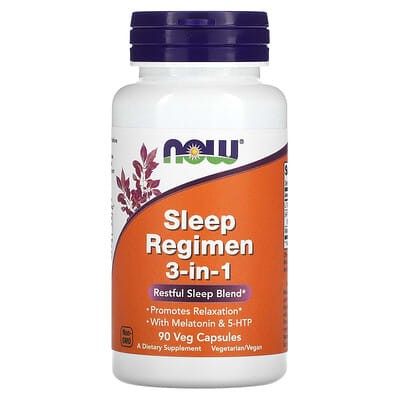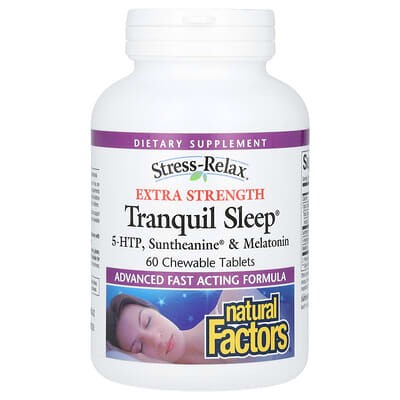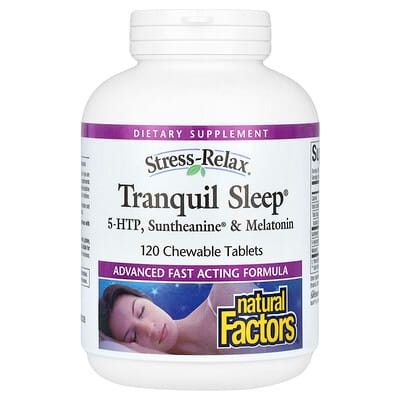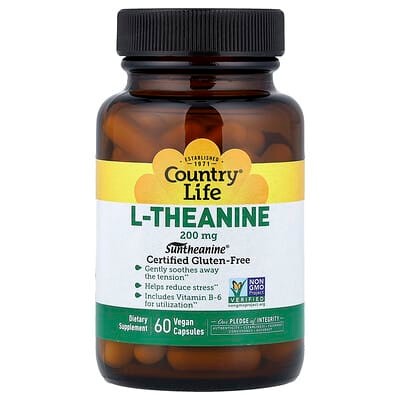
Theanine

amino acid

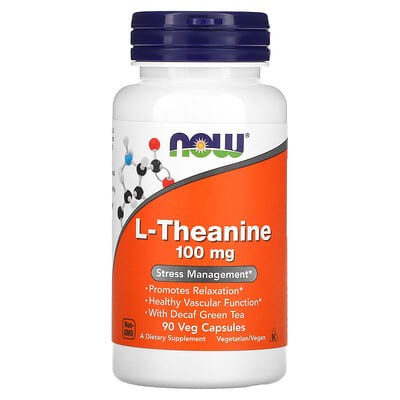
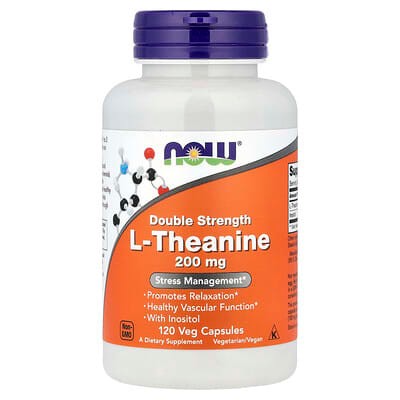
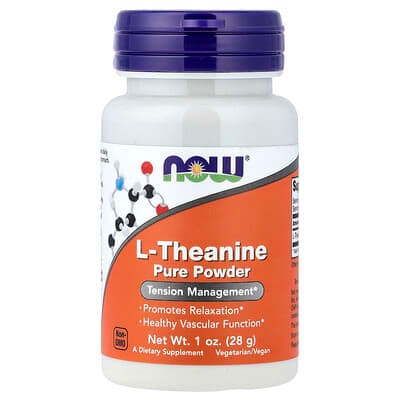
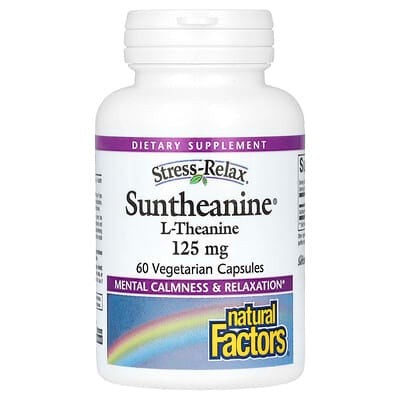
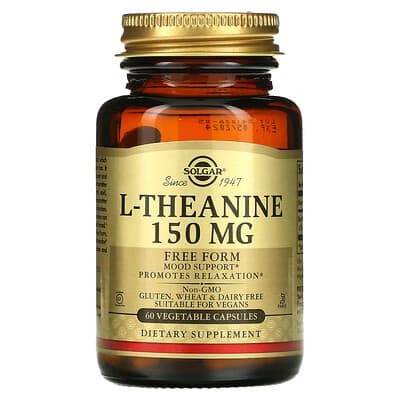
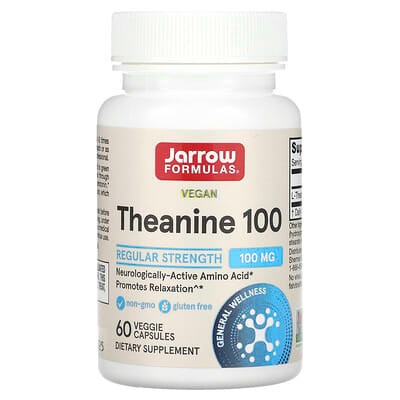
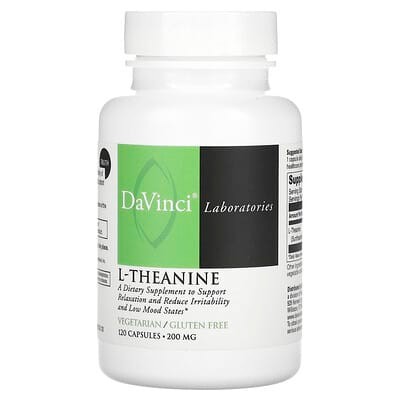
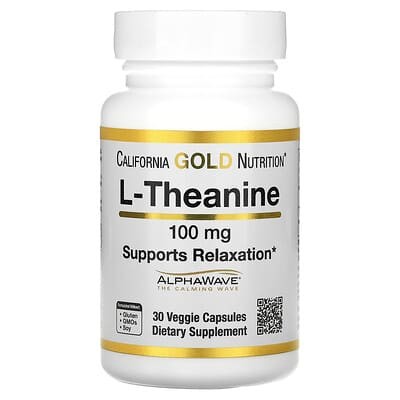
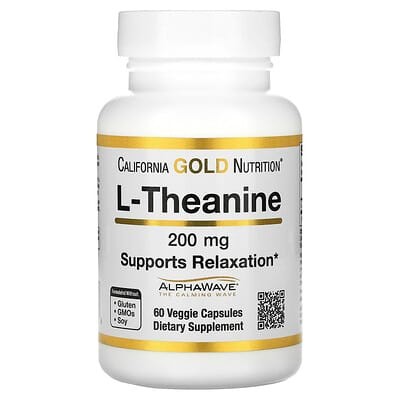
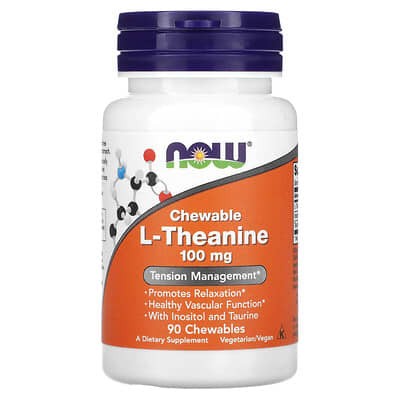
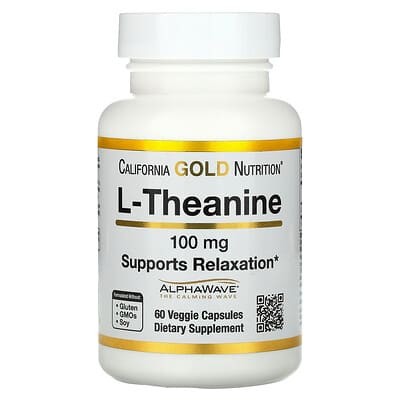
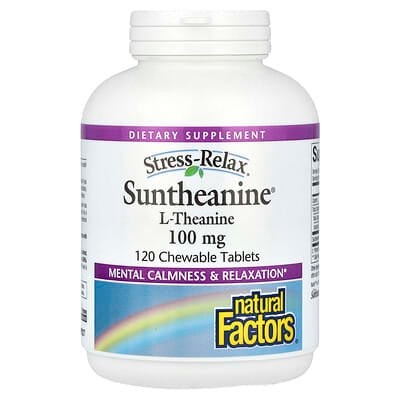
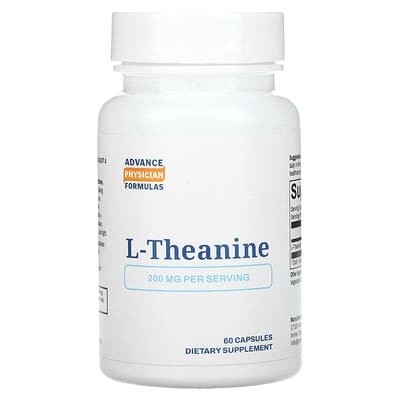
Theanine is an amino acid derived from glutamic acid, found mainly in green and black tea leaves. L-theanine is not commonly incorporated into proteins. It crosses the blood-brain barrier and increases alpha brain wave activity, which is associated with wakeful relaxation. By influencing GABA, dopamine, and serotonin, theanine helps reduce stress and anxiety while improving focus and concentration. This calm alertness makes it useful for cognitive performance and everyday stress management without the sedative effects of some other relaxation aids. Consumed in tea or as a supplement, theanine is also valued for its potential to improve sleep quality by promoting relaxation before bedtime. It is generally well tolerated, with a low incidence of side effects, and is used to support mental well-being and cognitive function.

Natural sources
Green tea (Camellia sinensis)Black tea (Camellia sinensis)Some mushrooms (e.g., Bay Bolete)

Ingredient forms

No public comparison lists found.

Optimal Dosage
Minimum100 mg
Maximum400 mg
Safety & Toxicity
3 safety notes
  • Individuals with naturally low blood pressure should use with caution due to potential mild hypotensive effects.
  • Pregnant or breastfeeding women should consult a healthcare professional before use.
  • Individuals with existing medical conditions or those taking medications should consult a healthcare professional.
Goals
Cognitive Support
Impact
High effect
Typical dose:100–400 mg

Found in green tea, L-Theanine is an amino acid that modulates neurotransmitters like GABA and dopamine. It is highly effective at taking the 'edge' off stimulants like caffeine, resulting in smooth, focused energy and reduced anxiety.

Focuses on
Reaction speedSelective attentionTask accuracyAttentional processingShort-term focus
Most relevant for
Healthy adults seeking to sharpen their reaction speed and accuracy during focused, short-term tasks.

Potential benefits

  • Improved Attention Speed.Meta-analyses indicate that theanine can significantly improve choice reaction times, helping individuals respond more quickly to specific visual or auditory information.
  • Enhanced Task Accuracy.Evidence suggests theanine, especially when used alongside caffeine, may reduce errors in tasks that require sustained monitoring or switching between different rules.
  • Support for Aging Brains.Unconfirmed. Preliminary research in middle-aged and older adults suggests theanine may help maintain attention and working memory, though these specific age-related benefits require more confirmation.

Limitations

  • Limited to Simple Tasks.Cognitive gains are most consistent for simple response tasks and do not reliably extend to complex executive functions or higher-order problem-solving.
  • Mixed Caffeine Synergy.While often combined for focus, certain doses and ratios of theanine can actually eliminate the performance-enhancing effects typically provided by caffeine.
  • Inconsistent Outcomes.Results vary significantly across studies, with some trials reporting no cognitive improvements or even slower processing in specific mental tasks.
Things to consider

Theanine may cause headaches or increased mental fatigue in some users. Its cognitive effects are typically short-term and task-specific rather than providing a broad or lasting increase in mental capacity.

Study evidence

25 studies

Theanine can improve some short-term measures of attention, but its effects are task-dependent and do not consistently extend to broader cognition. Benefits seen with caffeine combinations cannot be assigned to theanine alone, and some trials report no benefit or poorer performance.

View goal

Mental Focus
Impact
High effect
Typical dose:100–400 mg

Found primarily in green tea, L-Theanine modulates neurotransmitters like dopamine and GABA. It provides a non-drowsy relaxation effect that can mitigate the jitteriness of caffeine, leading to a synergistic improvement in smooth, sustained mental focus.

Focuses on
Reaction speedTask accuracyVisual attentionAlpha wave activitySleep-deprived focus
Most relevant for
Healthy adults seeking to maintain concentration during repetitive tasks or support attention while sleep-deprived.

Potential benefits

  • Task Accuracy.Evidence suggests that theanine can help reduce error rates and improve target-distractor discrimination during monotonous or long-duration tasks.
  • Visual Reaction Speed.Some studies show theanine may improve reaction times on simple visual tasks, helping users respond more quickly to relevant information.
  • Calm Alertness.Unconfirmed. Theanine increases alpha brain wave activity linked to relaxation without drowsiness, though it is unproven whether this physiological change reliably improves actual focus performance.

Limitations

  • Task-Specific Benefits.Focus improvements are often limited to simple visuomotor tasks and may not extend to complex executive functions or higher-order cognitive processing.
  • Mixed Caffeine Interaction.While often paired with caffeine, some research indicates theanine may actually diminish or eliminate the cognitive and mood benefits provided by caffeine at certain doses.
  • Inconsistent Evidence.Meta-analyses highlight that beneficial effects on focus are not confirmed across all testing methods, with some participants showing no significant improvement.
Things to consider

Theanine may slow reaction times in certain contexts or counteract the stimulating effects of caffeine depending on the dose and ratio used.

Study evidence

19 studies

Theanine may modestly improve selected attention tasks, but effects on mental focus are inconsistent. Benefits seen with caffeine cannot be attributed to theanine alone, and the available research does not establish a reliable improvement in sustained concentration or everyday performance.

View goal
Productivity Boost
Impact
High effect
Typical dose:100–400 mg

L-Theanine is an amino acid that can cross the blood-brain barrier and increase alpha brain wave activity, which is associated with a state of 'relaxed wakefulness'. It can modulate neurotransmitters like GABA and dopamine, improving focus and attention without sedation.

Focuses on
Faster reaction timesVisual attentionWorking memoryAttention focusTask accuracy
Most relevant for
Healthy adults looking to improve focus and response speed during mentally demanding or detail-oriented tasks.

Potential benefits

  • Enhanced Attention Speed.Meta-analysis shows that a single dose can significantly improve choice reaction times, indicating sharper focus during attention-based tasks.
  • Working Memory Support.Some evidence suggests it may reduce errors and improve the number of correct responses in tasks involving working memory and executive function.
  • Productivity Output Translation.Unconfirmed. While theanine supports specific cognitive processes like attention, its effectiveness in increasing real-world work output or professional productivity remains unproven.

Limitations

  • No Fatigue Relief.Pooled research indicates theanine does not reduce fatigue, which may limit its usefulness in maintaining productivity when tired.
  • Task-Specific Results.Effects are not universal across all types of focus; some studies have observed slower reaction times on certain visual attention tests.
  • Inconsistent Stress Benefits.Longer-term studies show that reductions in perceived stress may be similar to those of a placebo, complicating its role in stress-heavy environments.
Things to consider

Research indicates that while theanine may help lower caffeine-induced blood pressure increases, it may not significantly reduce the feeling of caffeine jitters.

Study evidence

5 studies

Theanine may modestly improve attention on certain laboratory tasks, but this has not established better everyday productivity. Findings vary across tests, fatigue relief is not supported by pooled evidence, and stress-related improvements are less consistent than attention effects.

View goal
Sleep Support
Impact
High effect
Typical dose:100–400 mg

L-theanine has been investigated in small human studies of stress and sleep. Some sleep measures improved, while results differed across studies and populations. Benefits for anxiety or insomnia and the risk of next-day drowsiness remain uncertain.

Focuses on
Subjective sleep qualitySleep satisfactionDaytime functioningSleep onset latencyRelaxation
Most relevant for
Individuals seeking a non-sedative option to improve perceived sleep quality, especially when sleep is impacted by stress or caffeine.

Potential benefits

  • Subjective Sleep Quality.Meta-analyses and clinical trials indicate that theanine can improve self-reported sleep quality scores and overall satisfaction with rest.
  • Daytime Functioning.Research suggests theanine may help reduce subjective daytime dysfunction related to poor sleep without the grogginess associated with traditional sedatives.
  • Caffeine-Disruption Support.Theanine has been shown to suppress the increase in wakefulness after sleep onset specifically caused by caffeine consumption.

Limitations

  • Inconsistent Clinical Results.Studies in specific populations, such as those with anxiety or ADHD, show mixed results for objective measures like total sleep time and insomnia severity.
  • Ingredient Isolation.A significant portion of available research uses theanine in combination with other supplements, making its independent impact less certain.
  • Lower Hypnotic Efficacy.In comparative trials for insomnia, theanine was found to be significantly less effective at improving sleep than melatonin.
Things to consider

While theanine promotes relaxation without typical sedation, its efficacy for treating clinical insomnia or reducing anxiety symptoms remains uncertain.

Study evidence

8 studies

Theanine may modestly improve perceived sleep quality and some sleep-related difficulties, but results are inconsistent. Evidence is stronger for selected self-reported outcomes than for reliably treating insomnia, and research combining theanine with other ingredients limits conclusions about theanine alone.

View goal
Stress Relief
Impact
High effect
Typical dose:100–400 mg

This amino acid, commonly found in green tea, can cross the blood-brain barrier and influence neurotransmitter levels. It enhances GABA, serotonin, and dopamine, leading to a quick-acting reduction in mental and physical stress while improving focus.

Focuses on
Task-induced stressPhysiological tensionCortisol regulationSituational anxietyNon-drowsy relaxation
Most relevant for
Individuals seeking to mitigate immediate mental tension or physical stress responses during demanding tasks without experiencing a drop in wakefulness.

Potential benefits

  • Acute Tension Relief.Helps lower subjective feelings of pressure and physiological markers like salivary cortisol when facing immediate mental challenges or stressful events.
  • Cognitive Ease.Supports a relaxed mental state during high-pressure situations, assisting with composure without the heavy-headed feeling typical of traditional relaxation aids.
  • Physical Stress Modulation.May help maintain more consistent heart rate and blood pressure levels for individuals who experience significant physical reactivity to stressful environments.

Limitations

  • Variable Baseline Efficacy.While effective for situational stressors, evidence for reducing everyday baseline stress is inconsistent, with some trials showing no significant change over placebo.
  • Ineffective for Clinical Anxiety.Clinical research indicates it does not provide additional relief for diagnosed Generalized Anxiety Disorder when used alongside standard medical treatments.
  • High Placebo Response.Significant stress reduction is often observed in placebo groups during clinical trials, suggesting that user expectations can heavily influence the perceived benefit.
Things to consider

Some research indicates that it may slightly increase reaction times during tasks that require rapid visual processing.

Study evidence

16 studies

Theanine may reduce some immediate stress responses and feelings of tension, especially during stressful tasks. Evidence for sustained everyday Stress Relief is less certain, and trials have not consistently shown better mood or anxiety outcomes than placebo, including in generalized anxiety disorder.

View goal
Brain Health
Impact
Moderate effect
Typical dose:100–200 mg

This amino acid, commonly found in green tea, induces a state of wakeful relaxation without causing drowsiness. It is particularly effective at smoothing out the 'jitters' from caffeine while synergistically enhancing its positive effects on focus and attention.

Focuses on
Visual attentionMental alertnessStress responseReaction timeBrainwave activity
Most relevant for
Adults seeking to support focused attention and mental calmness during stressful or demanding tasks.

Potential benefits

  • Improved Attentional Speed.Human trials suggest theanine can improve reaction times and accuracy during visual processing tasks and sustained attention challenges.
  • Induces Relaxed Alertness.Clinical studies show increases in alpha-band brainwaves, which represent a state of wakeful relaxation without causing drowsiness.
  • Stress Response Mitigation.May help reduce physiological markers of stress, such as cortisol, and improve self-reported anxiety levels during acute mental pressure.

Limitations

  • Inconsistent Mood Outcomes.Meta-analyses indicate that while attention benefits are robust, effects on anxiety and stress can be modest or inconsistent across different studies.
  • Limited Cognitive Scope.There is no strong evidence that theanine improves general memory, complex reasoning, or long-term brain health markers like BDNF.
  • Potential for Performance Decrements.Some research noted that theanine alone might increase headache frequency or slightly decrease performance in specific tasks like serial subtraction.
Things to consider

Beneficial effects on focus are often enhanced when combined with caffeine, which may also help mitigate caffeine-induced jitters or increased heart rate.

Study evidence

17 studies

Theanine may improve selected attention tasks and support a calmer response to stress, but cognitive results are not uniform. The available human evidence concerns performance and mood measures rather than lasting brain protection or prevention of cognitive decline.

View goal
Showing 6 of 9 goals

Studies

Research connections will load here.
Sources

Up to five highest-ranked published examples per goal. Study counts and charts include all published studies for the connection.

  1. Assessing the effects of caffeine and theanine on the maintenance of vigilance during a sustained attention task.
    Foxe JJ; Morie KP; Laud PJ; Rowson MJ; de Bruin EA; Kelly SP · Neuropharmacology · 2012
    Randomized trial27 participantsCognitive SupportBrain Health
  2. Effects of Tea (Camellia sinensis) or its Bioactive Compounds l-Theanine or l-Theanine plus Caffeine on Cognition, Sleep, and Mood in Healthy Participants: A Systematic Review and Meta-Analysis of Randomized Controlled Trials.
    Payne ER; Aceves-Martins M; Dubost J; Greyling A; de Roos B · Nutrition reviews · 2025
    Meta-analysis50 studies pooledMental FocusCognitive SupportBrain Health
  3. Effects of L-Theanine Administration on Stress-Related Symptoms and Cognitive Functions in Healthy Adults: A Randomized Controlled Trial.
    Hidese S; Ogawa S; Ota M; Ishida I; Yasukawa Z; Ozeki M; Kunugi H · Nutrients · 2020
    Randomized trial30 participantsBrain HealthSleep SupportCognitive Support
  4. Dose-response effect of L-theanine on psychomotor speed, sustained attention, and inhibitory control: a double-blind, placebo-controlled, crossover study.
    Dassanayake TL; Wijesundara D; Kahathuduwa CN; Weerasinghe VS · Nutritional neuroscience · 2023
    Randomized trial32 participantsCognitive Support
  5. Acute effects of theanine, caffeine and theanine-caffeine combination on attention.
    Kahathuduwa CN; Dassanayake TL; Amarakoon AMT; Weerasinghe VS · Nutritional neuroscience · 2018
    Clinical trial20 participantsMental FocusCognitive Support
  6. Effects of l-Theanine on Cognitive Function in Middle-Aged and Older Subjects: A Randomized Placebo-Controlled Study.
    Baba Y; Inagaki S; Nakagawa S; Kaneko T; Kobayashi M; Takihara T · Journal of medicinal food · 2021
    Randomized trialMental FocusBrain HealthProductivity Boost
  7. Safety and Efficacy of AlphaWave® L-Theanine Supplementation for 28 Days in Healthy Adults with Moderate Stress: A Randomized, Double-Blind, Placebo-Controlled Trial.
    Moulin M; Crowley DC; Xiong L; Guthrie N; Lewis ED · Neurology and therapy · 2024
    Randomized trial30 participantsStress ReliefMental FocusProductivity Boost
  8. Effect of L-theanine on selective attention in a traffic-related reaction task in sleep-deprived young adults: a double-blind placebo-controlled, crossover study.
    Karunaratne UW; Dassanayake TL · Nutritional neuroscience · 2025
    Randomized trial24 participantsMental Focus
  9. Cognitive and affective effects of L-Theanine: a systematic review and meta-analysis of 31 randomized trials.
    Gerolymos C; Saddier E; Boyer L; Fond G · Molecular psychiatry · 2026
    Meta-analysis1,168 participants31 studies pooledProductivity Boost
  10. Effects of L-theanine on cognition, mood and sleep: evidence from human trials.
    Cotter J; Kilpatrick HE · Frontiers in nutrition · 2026
    Narrative reviewProductivity Boost
  11. Time for tea: mood, blood pressure and cognitive performance effects of caffeine and theanine administered alone and together.
    Rogers PJ; Smith JE; Heatherley SV; Pleydell-Pearce CW · Psychopharmacology · 2008
    Randomized trial48 participantsProductivity Boost
  12. Comparison Between Efficacy of Oral Melatonin and Oral L-theanine in Improving Sleep in Cancer Patients Suffering From Insomnia: A Randomised Double-blinded Placebo-controlled Study.
    Kurdi MS; As A; Ladhad DA; Mitragotri MV; Baiju A · Indian journal of palliative care · 2024
    Randomized trial120 participantsSleep Support
  13. The effects of L-theanine consumption on sleep outcomes: A systematic review and meta-analysis.
    Bulman A; D'Cunha NM; Marx W; Turner M; McKune A; Naumovski N · Sleep medicine reviews · 2025
    Meta-analysis897 participants19 studies pooledSleep Support
  14. In Search of a Safe Natural Sleep Aid.
    Rao TP; Ozeki M; Juneja LR · Journal of the American College of Nutrition · 2016
    Narrative reviewSleep Support
  15. L-theanine in the adjunctive treatment of generalized anxiety disorder: A double-blind, randomised, placebo-controlled trial.
    Sarris J; Byrne GJ; Cribb L; Oliver G; Murphy J; Macdonald P; Nazareth S; Karamacoska D; Galea S; Short A; Ee C; Birling Y; Menon R; Ng CH · Journal of psychiatric research · 2020
    Randomized trial46 participantsSleep Support
  16. Anti-Stress, Behavioural and Magnetoencephalography Effects of an L-Theanine-Based Nutrient Drink: A Randomised, Double-Blind, Placebo-Controlled, Crossover Trial.
    White DJ; de Klerk S; Woods W; Gondalia S; Noonan C; Scholey AB · Nutrients · 2016
    Randomized trial34 participantsStress Relief
  17. L-theanine relieves positive, activation, and anxiety symptoms in patients with schizophrenia and schizoaffective disorder: an 8-week, randomized, double-blind, placebo-controlled, 2-center study.
    Ritsner MS; Miodownik C; Ratner Y; Shleifer T; Mar M; Pintov L; Lerner V · The Journal of clinical psychiatry · 2011
    Randomized trial60 participantsStress ReliefMood Support
  18. A Randomized, Triple-Blind, Placebo-Controlled, Crossover Study to Investigate the Efficacy of a Single Dose of AlphaWave® L-Theanine on Stress in a Healthy Adult Population.
    Evans M; McDonald AC; Xiong L; Crowley DC; Guthrie N · Neurology and therapy · 2021
    Randomized trialBrain HealthStress Relief
  19. Comparison of the effects of two amino acids, Gamma-aminobutyric acid (GABA) and L-theanine, on sedation, anxiety, and cognition in preoperative surgical patients - A randomized controlled study.
    Deshpande SS; Kurdi M; Baiju A; Athira AS; Sarasamma AG; Gangadharan AK · Journal of anaesthesiology, clinical pharmacology · 2025
    Randomized trial168 participantsMood SupportStress Relief
  20. l-theanine adjunct to sertraline for major depressive disorder: A randomized, double-blind, placebo-controlled clinical trial.
    Shamabadi A; Kafi F; Arab Bafrani M; Asadigandomani H; A Basti F; Akhondzadeh S · Journal of affective disorders · 2023
    Randomized trial60 participantsMood Support
  21. The Effects of Green Tea Amino Acid L-Theanine Consumption on the Ability to Manage Stress and Anxiety Levels: a Systematic Review.
    Williams JL; Everett JM; D'Cunha NM; Sergi D; Georgousopoulou EN; Keegan RJ; McKune AJ; Mellor DD; Anstice N; Naumovski N · Plant foods for human nutrition (Dordrecht, Netherlands) · 2020
    Systematic review9 studies pooledMood Support
  22. Anti-stress effect of theanine on students during pharmacy practice: positive correlation among salivary α-amylase activity, trait anxiety and subjective stress.
    Unno K; Tanida N; Ishii N; Yamamoto H; Iguchi K; Hoshino M; Takeda A; Ozawa H; Ohkubo T; Juneja LR; Yamada H · Pharmacology, biochemistry, and behavior · 2014
    Randomized trial20 participantsMood Support