Impact
Highest effect
Typical dose:100–400 mg
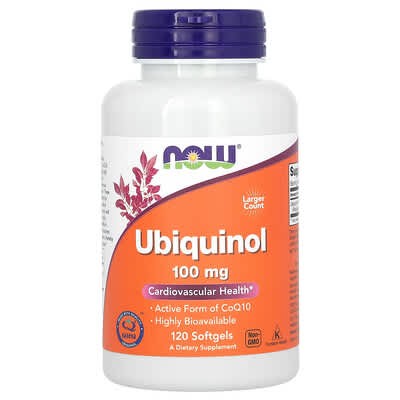
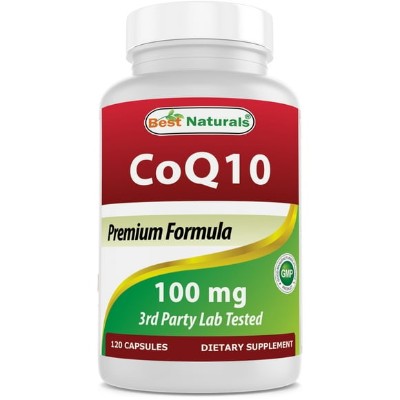
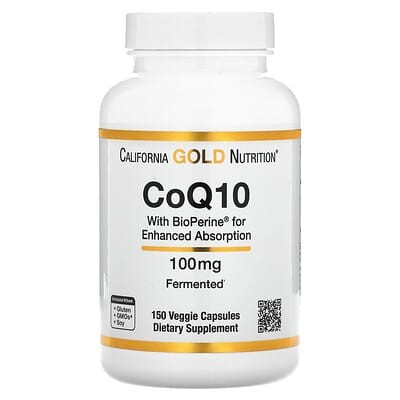
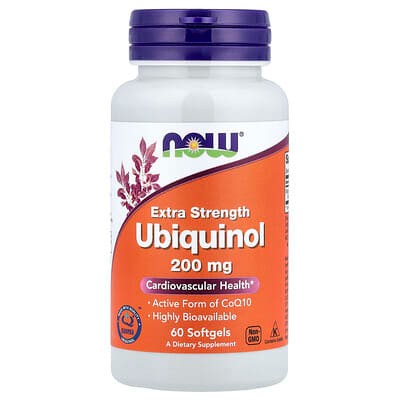
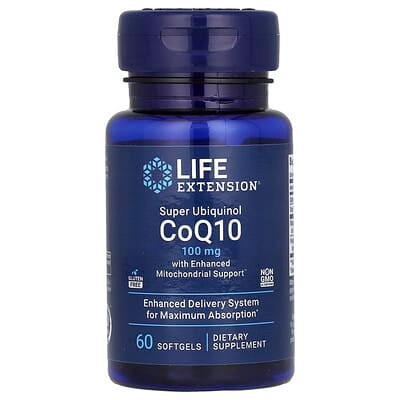
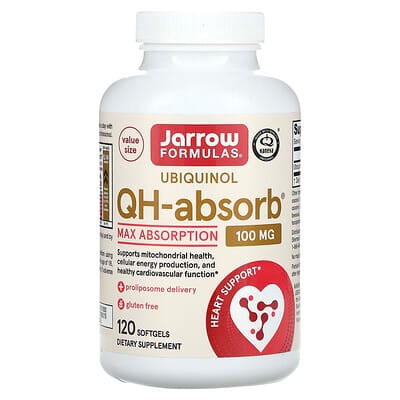
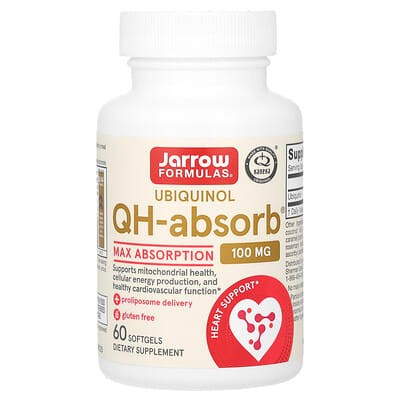
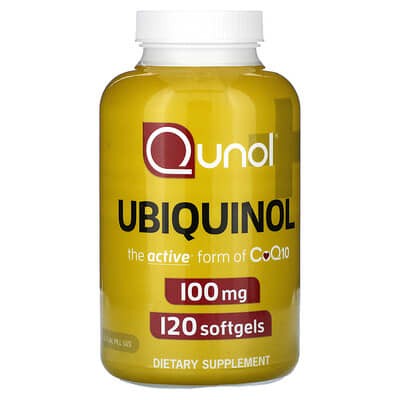
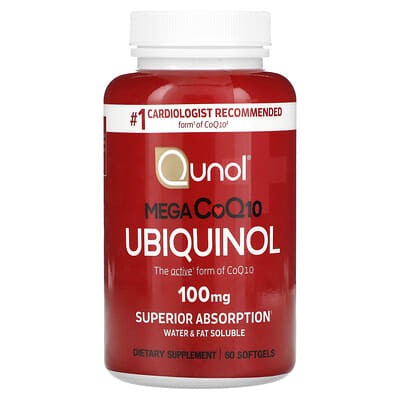
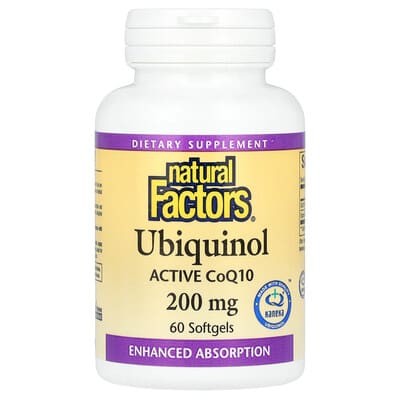
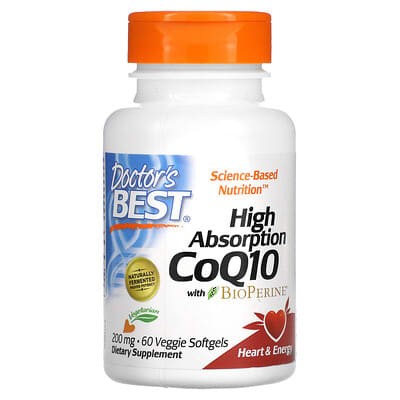
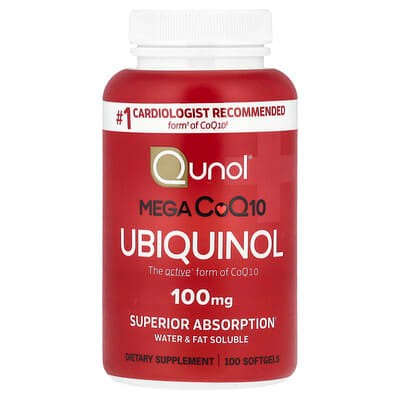
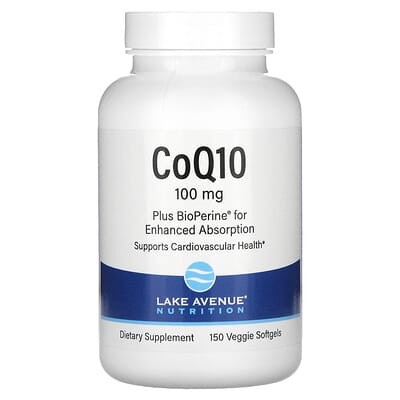
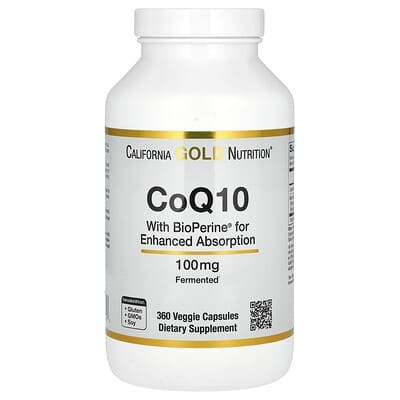
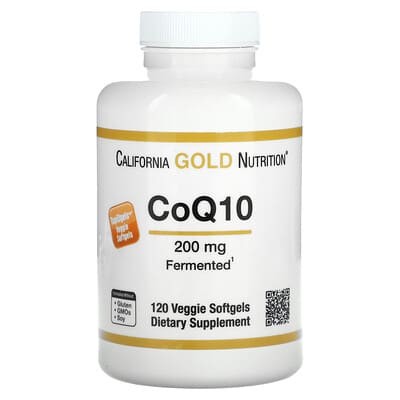
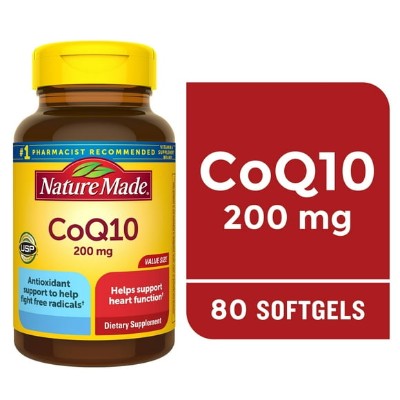
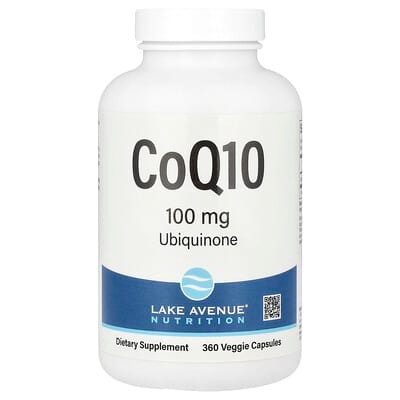
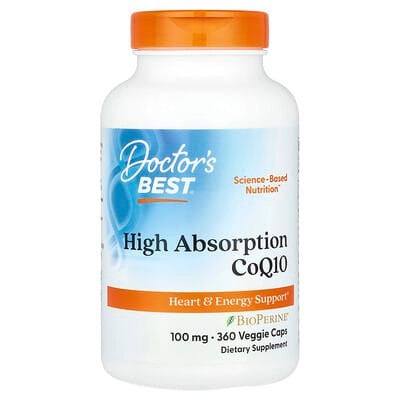
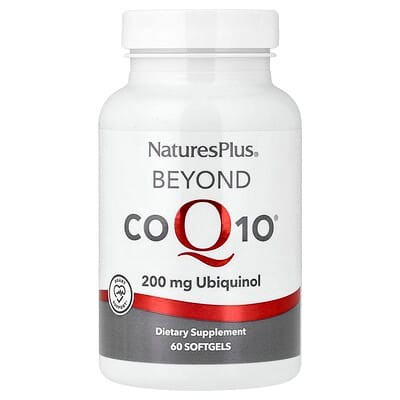
CoQ10 is essential for the function of high-energy organs like the heart, liver, and brain. Supplementing can help combat age-related declines in cellular energy, reduce oxidative stress, and support cardiovascular health. The ubiquinol form offers superior bioavailability.
Study evidence
6 studiesCoenzyme Q-10 has promising findings for some age-related conditions and skin changes, but the available research does not establish that oral supplementation slows aging. Benefits from combinations or topical products cannot be assumed for Coenzyme Q-10 supplements alone.
View goal