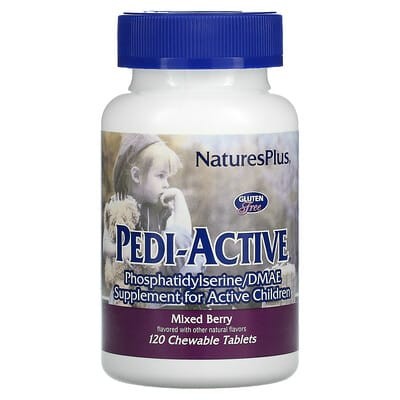
Deanol

non-nutrient_non-botanical

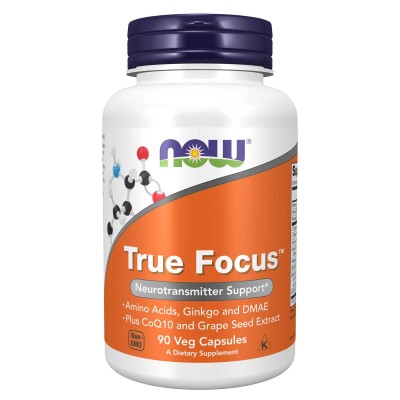
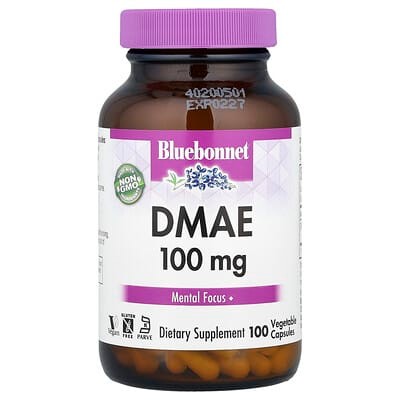
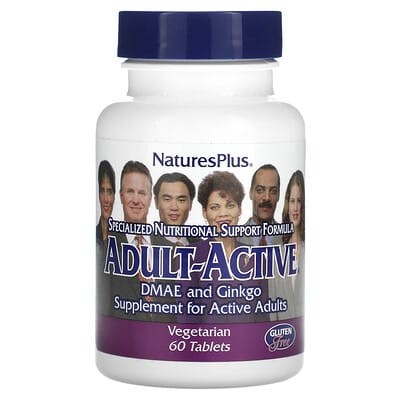
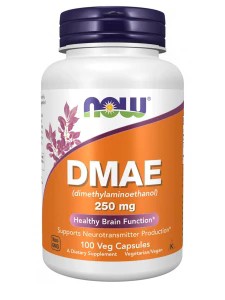
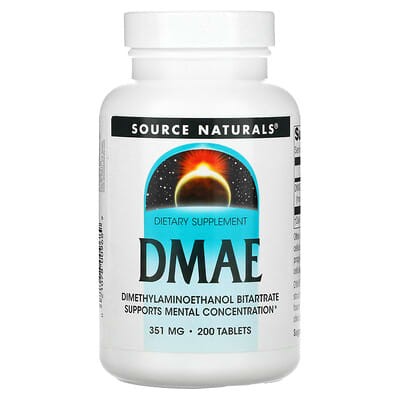
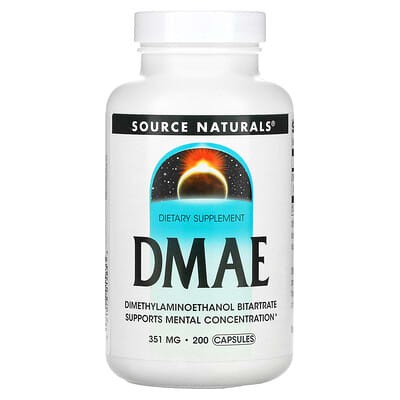
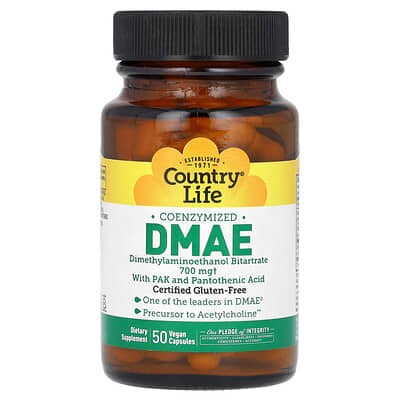
Deanol, or 2-(dimethylamino)ethanol, is an organic compound synthesized in small quantities within the brain. It is structurally similar to choline and is considered a precursor to acetylcholine, a neurotransmitter that plays a role in memory, learning, attention, and muscle contraction. Its effects are believed to involve increasing acetylcholine levels to support cognitive function. In addition to its neurochemical roles, Deanol is a popular ingredient in topical skincare products. It is used for its proposed ability to firm the skin, improve skin tone, and reduce the appearance of wrinkles. These benefits are often attributed to its potential to stabilize cell membranes and provide protection against free radical damage. Although not an essential nutrient, Deanol is frequently found in dietary supplements aimed at cognitive enhancement, focus, and memory support. It is also included in some sports nutrition formulations, as it may help support mood and athletic performance.

Natural sources
SalmonSardinesAnchovies

No public comparison lists found.

Optimal Dosage
Minimum100 mg
Maximum400 mg
Safety & Toxicity
Toxicity Threshold800 mg
Toxicity EffectHeadache, irritability
4 safety notes
  • Pregnant or breastfeeding individuals should avoid Deanol due to insufficient safety data.
  • Individuals with epilepsy or bipolar disorder should consult a healthcare professional before use, as Deanol may exacerbate symptoms.
  • May worsen symptoms in individuals with certain mental health conditions due to its potential to affect neurotransmitter levels.
  • Discontinue use if experiencing severe side effects such as high blood pressure, confusion, or severe muscle cramps.
Goals
Cognitive Support
Impact
Limited evidence
Typical dose:100–500 mg
The theory that Deanol (DMAE) significantly increases brain acetylcholine levels is not well-supported by robust clinical data. Human studies have yielded mixed to negative results regarding its efficacy for improving memory or focus, and its mechanism of action remains unclear.

Study evidence

2 studies

The available evidence does not establish that deanol improves everyday memory or cognition. Favorable findings concern a related compound tested against drug-induced memory impairment, while direct research on deanol in people with dementia did not show cognitive improvement.

View goal
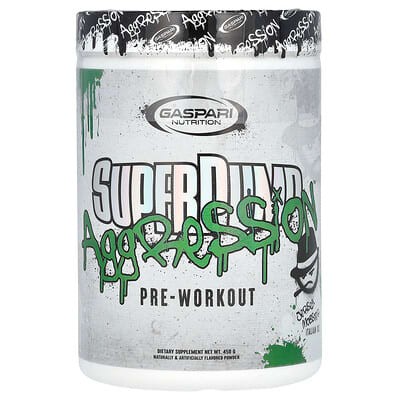
Studies

Research connections will load here.
Sources

Up to five highest-ranked published examples per goal. Study counts and charts include all published studies for the connection.

  1. Senile dementia: treatment with deanol.
    Ferris SH; Sathananthan G; Gershon S; Clark C · Journal of the American Geriatrics Society · 1977
    Single-arm trial14 participantsCognitive Support
  2. Effects of dimethylaminoethanol pyroglutamate (DMAE p-Glu) against memory deficits induced by scopolamine: evidence from preclinical and clinical studies.
    Blin O; Audebert C; Pitel S; Kaladjian A; Casse-Perrot C; Zaim M; Micallef J; Tisne-Versailles J; Sokoloff P; Chopin P; Marien M · Psychopharmacology · 2010
    Randomized trial24 participantsCognitive Support