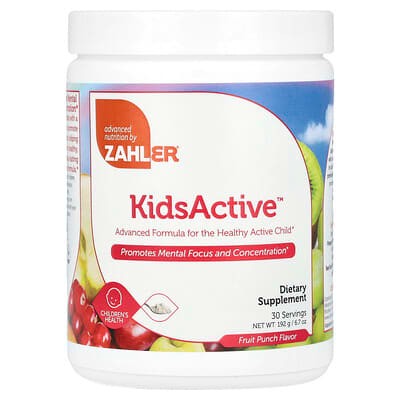


About this product
The gap between a child-focused formula and adult supporting findings is the main limitation. B vitamins, magnesium and zinc provide nutrients used in normal energy and nerve function, but those roles do not establish better attention or mood in children. Suitability depends on age and actual nutritional needs, which the supplied information does not resolve.
Magnesium at 300 mg and zinc at 15 mg have clear amounts, but both use oxide forms with less favorable absorption findings. Calcium source proportions are missing, and many other ingredient forms are unspecified. The mineral contribution therefore looks less compelling for the cost than the long ingredient list suggests.
Phosphatidylserine, dimethylglycine and deanol broaden the focus beyond basic nutrition. The cognitive findings are inconsistent and do not establish child-specific benefits, while some supporting phospholipid details are unresolved. A deanol-specific warning is recorded without its wording, leaving an additional information gap to resolve before use.
Pros
Mineral and B-vitamin amounts are disclosed Normal nutrient roles provide a clearer rationale than the attention claims
Cons
Supporting findings do not establish benefits for children Magnesium and zinc use less favorable oxide forms Many ingredient forms and calcium source shares are unspecified The broad mix offers limited value across several central ingredients
Warnings
The child-focused serving includes 300 mg magnesium and 15 mg zinc; adult comparisons do not establish age-appropriate suitability, so have the intended serving reviewed for the child. Deanol is listed at 100 mg, and the supporting details flag a specific warning without providing its wording; obtain the complete label warning before use.