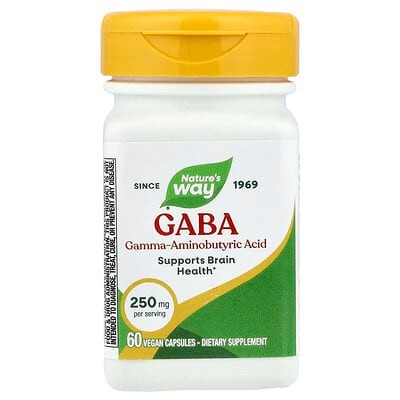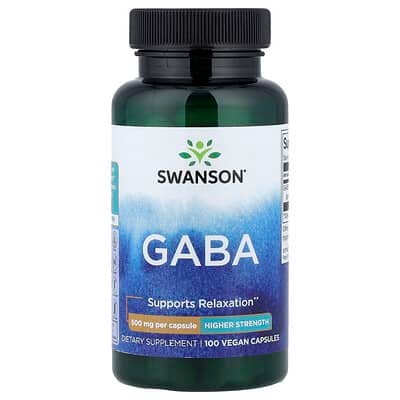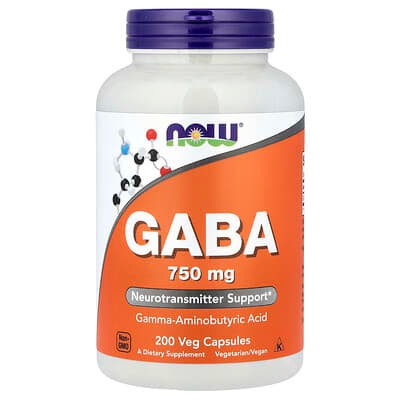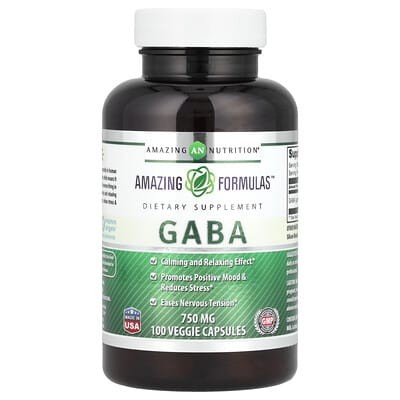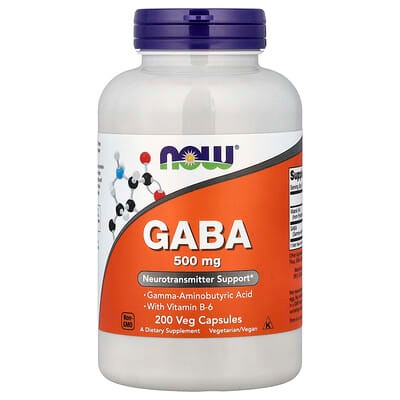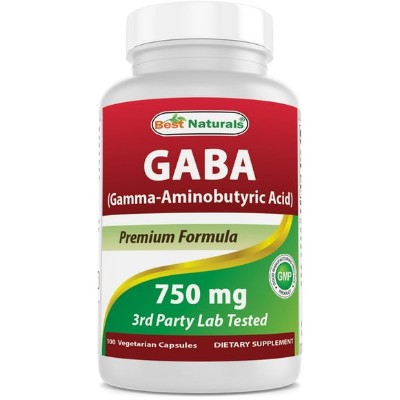
GABA

non-nutrient_non-botanical

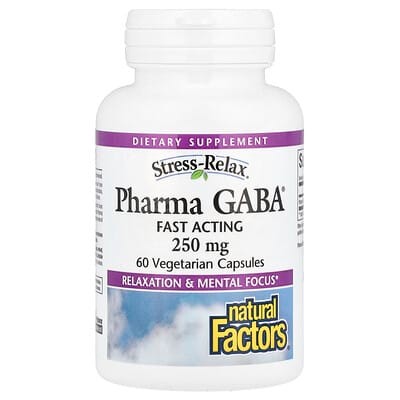
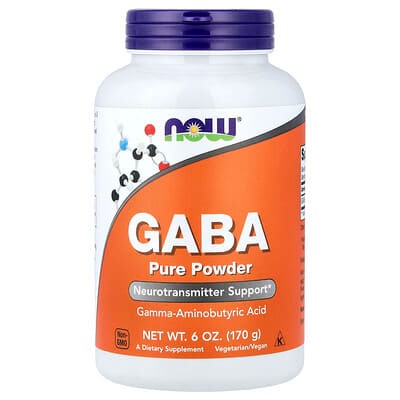
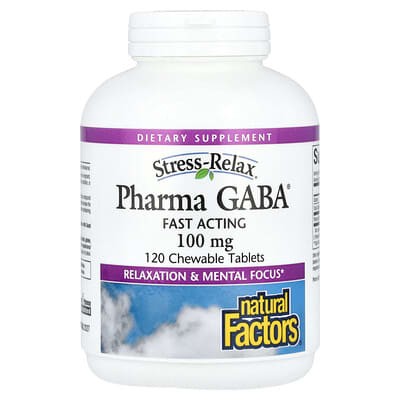
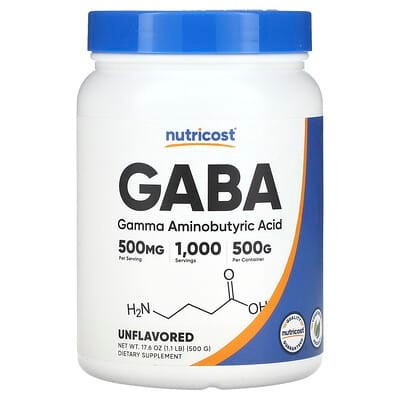
GABA (gamma-aminobutyric acid) is an amino acid that functions as a primary inhibitory neurotransmitter, helping to regulate nerve cell activity. This process balances brain signals to prevent overstimulation and promote calmness. The body naturally produces it from glutamic acid. Dietary supplementation is often used to support sleep quality and help manage feelings of stress or anxiety. While its ability to cross the blood-brain barrier after oral intake is a subject of ongoing discussion, users frequently report benefits related to tranquility and rest. The potential mechanisms involve interaction with GABA receptors, possibly through the enteric nervous system or by influencing vagal nerve activity. It remains a common choice for those seeking natural support for mental balance and restful sleep.

Natural sources
Fermented foods (e.g., kimchi, yogurt, tempeh)Certain teas (e.g., green tea, black tea)Some fruits and vegetables (e.g., tomatoes, spinach, broccoli, sweet potatoes)Grains (e.g., rice, barley, oats)

No public comparison lists found.

Optimal Dosage
Minimum100 mg
Maximum300 mg
Safety & Toxicity
Toxicity Threshold500 mg
Toxicity EffectDrowsiness, impaired coordination
4 safety notes
  • Do not exceed recommended dosages.
  • Consult a healthcare professional before use if pregnant, nursing, or have a medical condition.
  • May cause drowsiness; avoid driving or operating heavy machinery until you know how it affects you.
  • Discontinue use if adverse reactions occur.
Goals
Stress Relief
Impact
High effect
Typical dose:100–750 mg
Supplementing with GABA can promote rapid feelings of relaxation and calm by reducing neuronal excitability. While its ability to cross the blood-brain barrier is debated, many users report a tangible felt effect in reducing acute feelings of anxiety and physical tension, likely through its influence on the enteric nervous system.

Study evidence

6 studies

GABA may reduce short-term stress responses and mental fatigue during demanding tasks, but the supporting research is limited and context-specific. Findings from fortified foods, surgery-related anxiety and brain GABA measurements do not establish dependable relief of ongoing everyday stress from supplements.

View goal

Mood Support
Impact
Limited evidence
Typical dose:100–750 mg
While GABA is the brain's primary inhibitory neurotransmitter, supplemental GABA struggles to pass from the bloodstream into the brain. Any perceived calming effects are likely mediated by the enteric nervous system in the gut rather than direct central nervous system activity.

Study evidence

12 studies

GABA supplements show preliminary signs of improving mood during stress and in women with overweight who are exercising, but the evidence is limited. Research linking the brain’s own GABA to mood disorders does not establish that taking GABA reliably improves everyday mood.

View goal
Sleep Support
Impact
Limited evidence
Typical dose:100–750 mg
GABA helps regulate signaling in the brain, but taking it by mouth is not equivalent to increasing its activity there. Human sleep studies are limited and do not establish a reliable benefit. Current findings do not clearly explain whether or how oral GABA improves sleep.

Study evidence

4 studies

Small studies suggest oral GABA may help some people fall asleep more easily or sleep more efficiently. Evidence remains preliminary and comes from selected populations; lower brain GABA in insomnia does not by itself show that a supplement corrects the problem.

View goal

Studies

Research connections will load here.
Interactions
Sources

Up to five highest-ranked published examples per goal. Study counts and charts include all published studies for the connection.

  1. Oral intake of γ-aminobutyric acid affects mood and activities of central nervous system during stressed condition induced by mental tasks.
    Yoto A; Murao S; Motoki M; Yokoyama Y; Horie N; Takeshima K; Masuda K; Kim M; Yokogoshi H · Amino acids · 2012
    Randomized trial63 participantsStress ReliefMood Support
  2. GABA Supplementation, Increased Heart-Rate Variability, Emotional Response, Sleep Efficiency and Reduced Depression in Sedentary Overweight Women Undergoing Physical Exercise: Placebo-Controlled, Randomized Clinical Trial.
    Guimarães AP; Seidel H; Pires LVM; Trindade CO; Baleeiro RDS; Souza PM; Silva FGDE; Coelho DB; Becker LK; Oliveira EC · Journal of dietary supplements · 2024
    Randomized trial30 participantsStress ReliefSleep Support
  3. Relieving occupational fatigue by consumption of a beverage containing γ-amino butyric acid.
    Kanehira T; Nakamura Y; Nakamura K; Horie K; Horie N; Furugori K; Sauchi Y; Yokogoshi H · Journal of nutritional science and vitaminology · 2011
    Clinical trial30 participantsStress Relief
  4. Cortical gamma-aminobutyric acid and glutamate in posttraumatic stress disorder and their relationships to self-reported sleep quality.
    Meyerhoff DJ; Mon A; Metzler T; Neylan TC · Sleep · 2014
    Case-control study45 participantsStress Relief
  5. Comparison of the effects of two amino acids, Gamma-aminobutyric acid (GABA) and L-theanine, on sedation, anxiety, and cognition in preoperative surgical patients - A randomized controlled study.
    Deshpande SS; Kurdi M; Baiju A; Athira AS; Sarasamma AG; Gangadharan AK · Journal of anaesthesiology, clinical pharmacology · 2025
    Randomized trial168 participantsStress Relief
  6. Peripartum neuroactive steroid and γ-aminobutyric acid profiles in women at-risk for postpartum depression.
    Deligiannidis KM; Kroll-Desrosiers AR; Mo S; Nguyen HP; Svenson A; Jaitly N; Hall JE; Barton BA; Rothschild AJ; Shaffer SA · Psychoneuroendocrinology · 2017
    Cohort study56 participantsMood Support
  7. The role of neurotransmitters in mediating the relationship between brain alterations and depressive symptoms in patients with inflammatory bowel disease.
    Wang J; Liu G; Xu K; Ai K; Huang W; Zhang J · Human brain mapping · 2023
    Case-control study69 participantsMood Support
  8. Occipital gamma-aminobutyric acid and glutamate-glutamine alterations in major depressive disorder: An mrs study and meta-analysis.
    Truong V; Cheng PZ; Lee HC; Lane TJ; Hsu TY; Duncan NW · Psychiatry research. Neuroimaging · 2021
    Observational studyMood Support
  9. Systematic review of gamma-aminobutyric-acid inhibitory deficits across the reproductive life cycle.
    Vigod SN; Strasburg K; Daskalakis ZJ; Blumberger DM · Archives of women's mental health · 2014
    Systematic review11 studies pooledMood Support
  10. Safety and Efficacy of Gamma-Aminobutyric Acid from Fermented Rice Germ in Patients with Insomnia Symptoms: A Randomized, Double-Blind Trial.
    Byun JI; Shin YY; Chung SE; Shin WC · Journal of clinical neurology (Seoul, Korea) · 2020
    Randomized trial40 participantsSleep Support
  11. Analysis of the Effects of Known Sleep-Support Supplements in Relation to Life Habits, Sleep Conditions, and Sleep Problems.
    Imafuku F; Yamamoto K; Tanaka E; Aoki R; Nishino S · Nutrients · 2023
    Randomized trial160 participantsSleep Support
  12. Reduced γ-aminobutyric acid in occipital and anterior cingulate cortices in primary insomnia: a link to major depressive disorder?
    Plante DT; Jensen JE; Schoerning L; Winkelman JW · Neuropsychopharmacology : official publication of the American College of Neuropsychopharmacology · 2012
    Case-control study40 participantsSleep Support