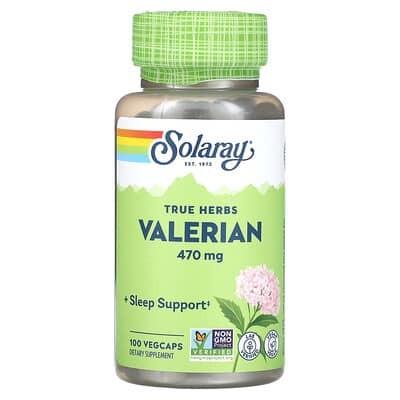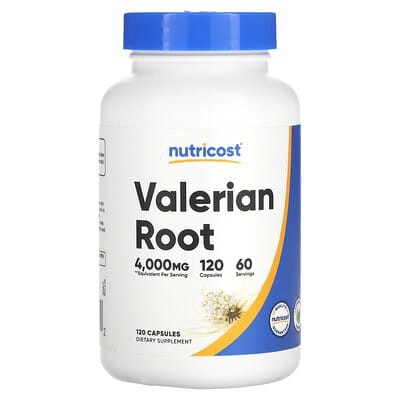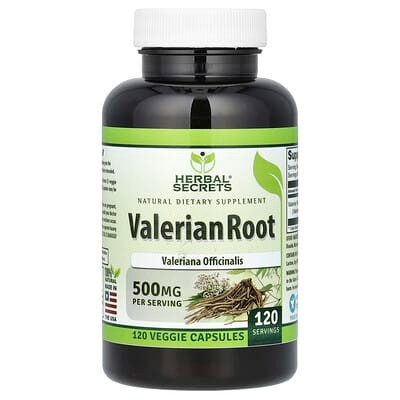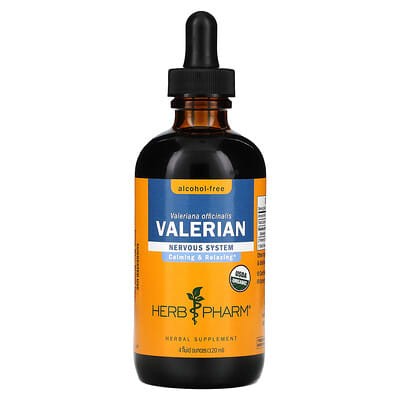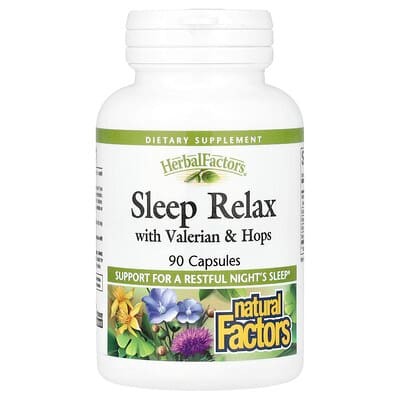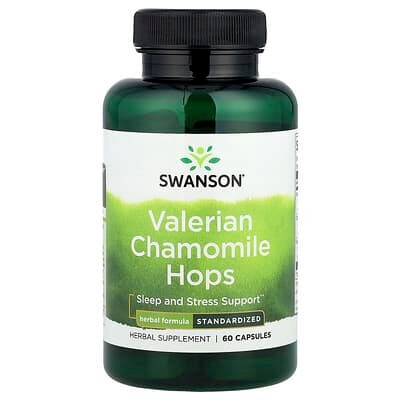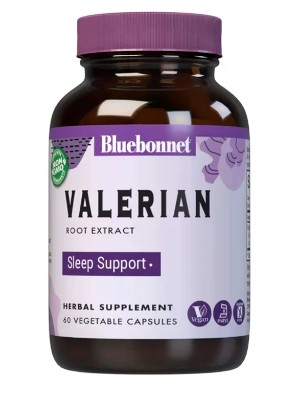
Valerian

botanical

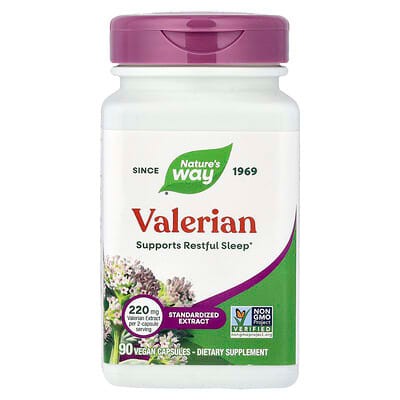
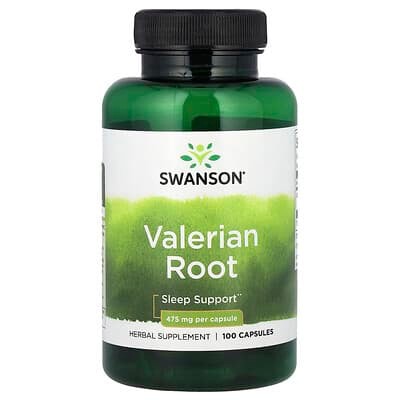
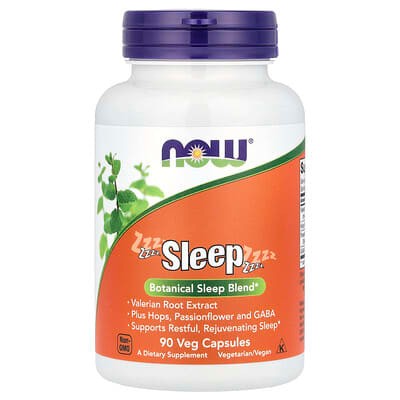
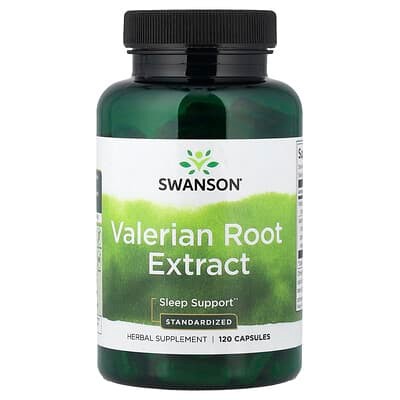
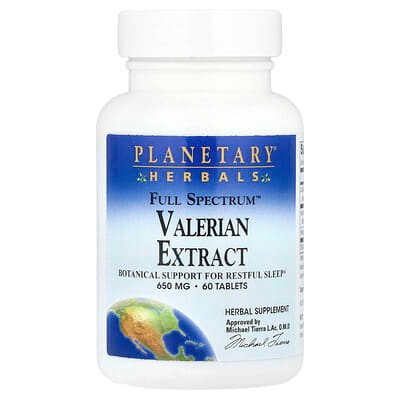
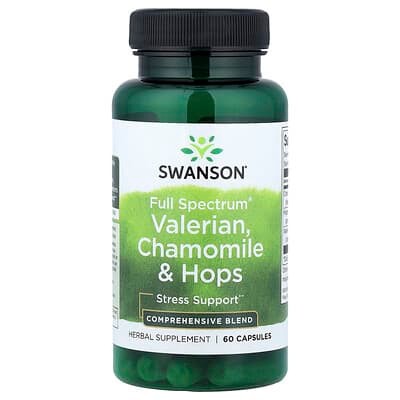
Valerian is a perennial flowering plant native to Europe and Asia. Its roots have been used in traditional herbal remedies for centuries. Its mild sedative effects make it a common choice for improving sleep onset and duration and managing occasional nervousness or mild stress. Its effects are believed to come from compounds including valerenic acid, iridoids such as valepotriates, and flavonoids. These may interact with receptors for gamma-aminobutyric acid (GABA), a neurotransmitter that helps regulate nerve impulses. The resulting calming effect is often compared with that of some anxiety-reducing medications, although it is typically milder. Traditional uses range from insomnia to digestive discomfort. Today, valerian is mainly used for its anxiety-reducing and sleep-inducing properties. When used as directed, it can support relaxation and sleep without commonly causing residual drowsiness on waking.

Natural sources
Valerian plant (Valeriana officinalis) root

Ingredient forms

No public comparison lists found.

Timing & Intake
Pre BedTake with Water, preferably 30 minutes to 2 hours before bedtime for sleep support.
Often taken in the evening or shortly before bedtime to support relaxation and sleep. It can also be taken during the day for anxiety, although it may cause drowsiness.
Optimal Dosage
Minimum400 mg
Maximum900 mg
Safety & Toxicity
6 safety notes
  • Avoid driving or operating heavy machinery after taking Valerian due to its potential to cause drowsiness and impair coordination.
  • Not recommended for pregnant or breastfeeding women without prior consultation with a healthcare professional.
  • Individuals with liver disease or those taking other medications affecting the liver should use Valerian with caution and under medical supervision.
  • Discontinue use if allergic reactions or severe adverse effects occur.
  • Avoid concurrent use with alcohol or other central nervous system depressants without medical guidance, as it may lead to excessive sedation.
  • Not intended for long-term continuous use without professional medical advice.
Goals
Mood Support
Impact
Situational effect
Typical dose:300–900 mg

Valerian root acts on GABA receptors in the brain, helping to calm the nervous system, reduce anxiety, and ease the transition into sleep. By addressing sleep disturbances and nervous tension, it provides indirect but significant support for emotional well-being.

Focuses on
Calm
Most relevant for
Individuals whose mood fluctuations or mild anxiety are linked to poor sleep quality or stressful situational events.

Potential benefits

  • Situational Stress Relief.Clinical trials suggest valerian may reduce acute anxiety and promote relaxation during high-stress events, such as dental procedures.
  • Sleep-Associated Anxiety Support.Some research indicates that improving sleep quality with valerian can indirectly lead to a reduction in daytime anxiety and feelings of stress.
  • General Mood Stability.Unconfirmed. While its GABA-related mechanism is often used for relaxation, evidence for supporting general mood or depression is currently unproven and inconsistent.

Limitations

  • Inconsistent Anxiety Findings.Several large trials and systematic reviews found that valerian was no more effective than a placebo for reducing symptoms of generalized anxiety or stress.
  • Narrow Population Evidence.Positive results are often confined to specific groups, such as those with insomnia; research in menopausal women has shown no benefit for depression or anxiety.
  • Variable Extract Potency.The chemical makeup of valerian varies significantly by species and batch, leading to unpredictable results across different products.
Things to consider

Valerian may cause drowsiness, daytime sleepiness, or dizziness; use caution when driving or operating machinery.

Study evidence

17 studies

Valerian may reduce anxiety in some sleep-related or situational settings, but results are inconsistent and do not establish dependable mood support. Controlled trials and reviews include substantial null findings, with limited evidence for treating anxiety disorders or improving depression.

View goal
Sleep Support
Impact
Situational effect
Typical dose:300–900 mg

Valerian is a common ingredient in herbal sleep products. Studies have not consistently demonstrated a meaningful benefit for insomnia, and long-term safety is uncertain. Traditional use and proposed calming mechanisms should not be treated as proof that it improves sleep.

Focuses on
Falling AsleepStaying AsleepEvening Calm
Most relevant for
Individuals seeking a traditional herbal option for mild or occasional perceptions of poor sleep quality rather than chronic insomnia.

Potential benefits

  • Perceived Sleep Quality.Multiple meta-analyses suggest that users often report a subjective improvement in how well they slept, even when objective measurements show no change.
  • Perceived Sleep Onset.Unconfirmed. Some clinical trials indicate users feel they fall asleep faster, though pooled data across all studies show inconsistent results for this specific timing.
  • Specific Extract Support.Unconfirmed. Evidence from high-quality trials using specific standardized extracts has shown improvements in both self-reported and measured sleep efficiency in young adults.

Limitations

  • Uncertain Insomnia Efficacy.Major systematic reviews and clinical guidelines find insufficient evidence to support valerian as a reliable treatment for diagnosed chronic insomnia.
  • Lack of Objective Improvement.While people may feel more rested, objective tests such as polysomnography often fail to show measurable changes in sleep duration or nighttime awakenings.
  • High Product Variability.Chemical differences between plant sources and different extraction methods lead to significant inconsistency in potency and effectiveness across products.
Things to consider

May cause a temporary reduction in alertness or a feeling of drowsiness for a few hours after ingestion; avoid driving or operating machinery immediately after use.

Study evidence

31 studies

Valerian may help some people feel that they sleep better, but its overall effectiveness for insomnia remains uncertain. Objective improvements are inconsistent, and positive findings from particular extracts or combinations with other herbs do not establish a dependable benefit from all Valerian products.

View goal
Stress Relief
Impact
Situational effect
Typical dose:300–600 mg

Valerian root contains compounds that interact with GABA receptors in the brain. This interaction helps to calm the nervous system, reduce the time it takes to fall asleep, and improve sleep quality for those whose minds race at night due to stress.

Focuses on
CalmNight Recovery
Most relevant for
Individuals experiencing situational stress or anxiety that interferes with their sleep quality.

Potential benefits

  • Situational Relaxation.Clinical trials in dental and laboratory settings suggest valerian can reduce feelings of pressure and help manage physiological stress markers like heart rate and blood pressure during stressful tasks.
  • Easing Stress-Induced Insomnia.Studies on individuals with sleep complaints found that valerian use decreased subjective anxiety scores and improved the ability to relax before bed.
  • GABA Pathway Modulation.Unconfirmed. Valerian is thought to interact with GABA receptors to calm the nervous system, though research is inconsistent regarding its effectiveness for broad stress relief outside of sleep or medical settings.

Limitations

  • Lack of Clinical Consistency.Multiple systematic reviews have found insufficient or contradictory evidence to recommend valerian for the treatment of generalized anxiety disorders or persistent everyday stress.
  • Product Variability.The effectiveness of valerian may vary significantly depending on the quality of the extract, the specific constituents present, and whether the whole root is used.
  • Context-Specific Evidence.Many supportive findings are limited to specific populations, such as patients undergoing dental surgery, which may not translate to general stress management.
Things to consider

Commonly reported side effects include drowsiness and vivid dreams. It may be most effective when used consistently over several weeks rather than as a one-time dose.

Study evidence

18 studies

Valerian may ease anxiety in some settings, particularly when sleep complaints or medical procedures are involved. However, results are inconsistent, and systematic reviews find insufficient evidence for a reliable effect on anxiety disorders or broad everyday stress relief.

View goal

Studies

Research connections will load here.
Sources

Up to five highest-ranked published examples per goal. Study counts and charts include all published studies for the connection.

  1. Standardized Extract of Valeriana officinalis Improves Overall Sleep Quality in Human Subjects with Sleep Complaints: A Randomized, Double-Blind, Placebo-Controlled, Clinical Study.
    Chandra Shekhar H; Joshua L; Thomas JV · Advances in therapy · 2024
    Randomized trial80 participantsMood SupportSleep SupportStress Relief
  2. Chemotypic diversity and neuroactive potential of Valeriana jatamansi Jones: a systematic review on phytochemistry, pharmacology and standardisation challenges.
    Nisar S; Jan N; Hassan I; Andleeb L; Shabir PA · Natural product research · 2026
    Meta-analysis12 studies pooledMood Support
  3. Valerian Root in Treating Sleep Problems and Associated Disorders-A Systematic Review and Meta-Analysis.
    Shinjyo N; Waddell G; Green J · Journal of evidence-based integrative medicine · 2021
    Meta-analysis6,894 participants60 studies pooledMood Support
  4. Assessment of Valeriana officinalis l. (Valerian) for Conscious Sedation of Patients During the Extraction of Impacted Mandibular Third Molars: A Randomized, Split-Mouth, Double-Blind, Crossover Study.
    Farah GJ; Ferreira GZ; Danieletto-Zanna CF; Luppi CR; Jacomacci WP · Journal of oral and maxillofacial surgery : official journal of the American Association of Oral and Maxillofacial Surgeons · 2020
    Randomized trial20 participantsMood Support
  5. Effectiveness and safety of oral sedation in adult patients undergoing dental procedures: a systematic review.
    Araújo JO; Bergamaschi CC; Lopes LC; Guimarães CC; de Andrade NK; Ramacciato JC; Motta RHL · BMJ open · 2021
    Systematic review327 participants12 studies pooledStress ReliefMood Support
  6. Comparison the effect of valerian and gabapentin on RLS and sleep quality in hemodialysis patients: A randomized clinical trial.
    Hajizadeh I; Jamshidi M; Kazemi M; Kargar H; Sadeghi T · Therapeutic apheresis and dialysis : official peer-reviewed journal of the International Society for Apheresis, the Japanese Society for Apheresis, the Japanese Society for Dialysis Therapy · 2023
    Randomized trial40 participantsSleep Support
  7. Efficacy and tolerability of valerian extract LI 156 compared with oxazepam in the treatment of non-organic insomnia--a randomized, double-blind, comparative clinical study.
    Ziegler G; Ploch M; Miettinen-Baumann A; Collet W · European journal of medical research · 2003
    Randomized trial202 participantsSleep Support
  8. Effects of a Valerian-Hops Extract Combination (Ze 91019) on Sleep Duration and Daytime Cognitive and Psychological Parameters in Occasional Insomnia: A Randomized Controlled Feasibility Trial.
    Schicktanz N; Gerhards C; Schlitt T; Aerni A; Müggler E; de Quervain D; Papassotiropoulos A; Boonen G; Drewe J; Butterweck V · Brain and behavior · 2025
    Randomized trial40 participantsSleep Support
  9. Valerian for sleep: a systematic review and meta-analysis.
    Bent S; Padula A; Moore D; Patterson M; Mehling W · The American journal of medicine · 2006
    Meta-analysis1,093 participants16 studies pooledSleep Support
  10. Effects of Passiflora incarnata and Valeriana officinalis in the control of anxiety due to tooth extraction: a randomized controlled clinical trial.
    Velasquez ACA; Tsuji M; Dos Santos Cordeiro L; Petinati MFP; Rebellato NLB; Sebastiani AM; da Costa DJ; Scariot R · Oral and maxillofacial surgery · 2024
    Randomized trial54 participantsStress Relief
  11. Effect of kava and valerian on human physiological and psychological responses to mental stress assessed under laboratory conditions.
    Cropley M; Cave Z; Ellis J; Middleton RW · Phytotherapy research : PTR · 2002
    Non-randomized trial54 participantsStress Relief
  12. Stress-induced insomnia treated with kava and valerian: singly and in combination.
    Wheatley D · Human psychopharmacology · 2019
    Single-arm trial24 participantsStress Relief