
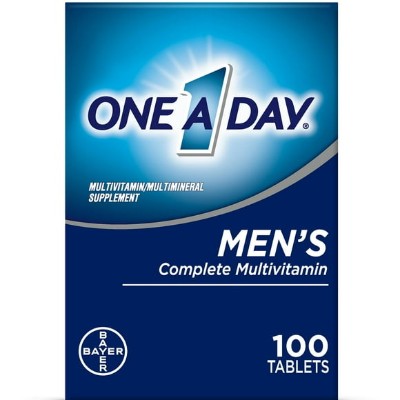

$25.50 $0.85 per serving


Product analysis
Clinical Strength Prostate Health combines plant ingredients with nutrients that support normal immune and antioxidant functions when intake is low. Several plant preparations and the composition of the sterol mix are not fully specified, making the combination harder to compare.
AI assessment of the formula, label and price. How scoring works
Nutrient Quality47
Vitamin D3 and the zinc preparation are clearly identified, while selenium quality information may need updating. Several plant preparations and the sterol composition remain less clear, limiting comparison of the whole formula.
Ingredient Transparency67
Ingredient amounts are disclosed, but several forms and the blend contents are unspecified. That limits how fully you can compare the combination.
Value For Money29
Many of the assessed ingredients are costly for their amounts, particularly lycopene, turmeric and resveratrol. Flax has a more favorable serving-cost comparison, while several other contributions remain uncertain.
Customer Satisfaction89
Customer ratings are favorable across thousands of reviews. The feedback describes satisfaction and does not prove effectiveness or safety.
Product Focus46
The clearest nutritional roles concern normal immune function and filling zinc or selenium shortfalls. Hair and skin findings depend on the particular preparations, while broader metabolism and aging benefits remain uncertain.
- Format
Softgel - Container
- 90 Softgel(s)
- Per serving
- $0.85
- Also available
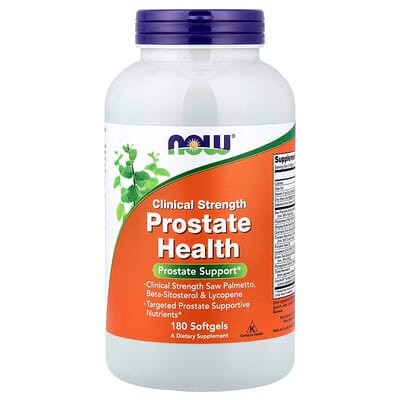 Clinical Strength Prostate Health$43.00
- Customer rating
- 4.6 · 19,833 ratings
Goals

Impact
High effect
Vitamin D · 400 IUZinc · 15 mg
Saw palmetto and pumpkin seed oil relate to androgen-associated thinning, while zinc can help address shedding associated with low intake. Both botanical preparations differ from the named trial formulations, limiting transfer of their results. Selenium contributes to antioxidant biology but has uncertain routine hair benefits and can worsen hair loss in excess. Vitamin D receives limited amount-based support here; its associations with hair loss do not establish routine regrowth.
How this product is rated for Hair Health
Ingredient fit55
Hair-related ingredients sit within a broader formula containing actives aimed at other purposes. The recognized amounts provide partial support against the supplied comparison anchors; some are lower or unresolved.
Goal fit
Hair-related ingredients sit within a broader formula containing actives aimed at other purposes.
Dose adequacy
The recognized amounts provide partial support against the supplied comparison anchors; some are lower or unresolved.
Pathways68
The main recognized connection is dht and androgen signalling, with limited certainty about actual hair outcomes.
Depth
The main recognized connection is dht and androgen signalling, with limited certainty about actual hair outcomes.
Breadth
The recognized coverage spans androgen signalling and antioxidant protection.
Evidence89
Zinc supplies the strongest recognized evidence contribution, with the ingredient-specific limitations described above.
Evidence strength
Zinc supplies the strongest recognized evidence contribution, with the ingredient-specific limitations described above.
Studied preparation
Saw Palmetto, Pumpkin Seed Oil are not established as the preparations used in the relevant trials.
Formulation logic95
The recognized ingredients have no missing required partners or configured conflicts. Amount-based qualifications remain relevant.
Partner coverage
No missing required partner was identified among the recognized ingredients.
Conflicts
No configured ingredient conflict was identified; this is not a general safety finding.
Effective doses
Vitamin D fall below the comparison’s minimum amount criterion; the other recognized ingredients meet it.

Impact
High effect
Vitamin D · 400 IUGreen Tea · 100 mg
Resveratrol has limited cognitive evidence from selected older populations, but its 10 mg per serving falls below the saved minimum amount comparison. Green tea and lycopene have antioxidant or skin-related research, without establishing broad preservation of aging-related function from these preparations. Quercetin studies used a drug combination in disease pilots, so they do not establish isolated quercetin benefit or lifespan extension.
How this product is rated for Longevity
Ingredient fit55
The saved findings recognize several antioxidant-related ingredients within a broader formula.
Goal fit
The saved findings recognize several antioxidant-related ingredients within a broader formula.
Dose adequacy
Several amounts partly meet their comparisons; resveratrol and vitamin D fall below the saved minimum.
Pathways60
The saved findings concentrate on antioxidant defence.
Depth
The saved findings concentrate on antioxidant defence.
Breadth
One route reaches substantial coverage; broad coverage of other aging-related routes is limited.
Evidence82
Green tea leads the saved evidence finding, without establishing routine longevity benefit.
Evidence strength
Green tea leads the saved evidence finding, without establishing routine longevity benefit.
Studied preparation
The included ingredients receive a positive saved preparation finding; exact clinical preparation equivalence remains limited.
Formulation logic100
The included ingredients need no missing partner, and no configured ingredient conflict was found.
Partner coverage
The included ingredients work independently or have their required partner.
Conflicts
No configured ingredient conflict was found.
Effective doses
All included ingredients meet the saved minimum amount comparison; this does not prove a clinically effective anti-aging dose.

Impact
High effect
Zinc · 15 mgResveratrol · 10 mgSelenium · 70 mcgLycopene · 10 mgGreen Tea · 100 mg
Lycopene may modestly reduce selected signs of UV-related skin stress, although small studies have produced mixed findings. This concerns measured skin responses rather than established broad improvements in appearance or hydration. Zinc can help skin repair when zinc intake is low. The gelatin claim does not resolve a collagen amount or tested peptide preparation.
How this product is rated for Skin Health
Ingredient fit57
The formula includes relevant skin-related ingredients, but the amount match is uneven and some declared ingredients have no assessed skin role.
Goal fit
Relevant skin ingredients sit within a broader formula containing ingredients without an assessed skin contribution.
Dose adequacy
The counted amounts provide a partial match to the saved comparison, with unresolved amounts reducing the finding.
Pathways60
UV antioxidant defence is the strongest recorded connection; this describes the assigned ingredient roles, not a demonstrated product effect. The recorded coverage is concentrated in one skin role.
Depth
UV antioxidant defence is the strongest recorded connection; this describes the assigned ingredient roles, not a demonstrated product effect.
Breadth
Only one skin pathway met the coverage threshold, so the recorded reach is narrow.
Evidence87
Lycopene leads the saved evidence finding, but its supplied clinical limitations still apply. Preparation matching does not remove those limitations.
Evidence strength
Lycopene leads the saved evidence finding, but its supplied clinical limitations still apply.
Studied preparation
The counted ingredients passed the saved preparation comparison; this does not confirm that the complete product matches a skin trial.
Formulation logic100
The counted contributions have no missing required partner or configured conflict. They all pass the saved minimum amount comparison.
Partner coverage
No required ingredient partner was missing among the counted contributions; no added combination benefit is established.
Conflicts
No configured ingredient conflict was identified among the evaluated contributions.
Effective doses
Every counted ingredient passed the saved minimum amount threshold; that threshold is not proof of clinical effectiveness.

Impact
Moderate effect
Vitamin D · 400 IUGreen Tea · 100 mg
Zinc may help when low zinc contributes to ongoing low-level inflammation. Getting enough supports normal immune function, but extra zinc isn't known to provide the same benefit when your intake is already adequate. The other ingredients don't turn this conditional nutrient benefit into a predictable reduction in inflammation or joint symptoms.
How this product is rated for Inflammation
Ingredient fit58
Zinc relates to inflammation mainly when zinc levels are low.
Goal fit
Zinc relates to inflammation mainly when zinc levels are low.
Dose adequacy
The selected serving supplies Zinc 15 mg, Lycopene 10 mg, Selenium 70 mcg. These amounts are comparisons, not guarantees of symptom relief.
Pathways18
The connection concerns processes involved in inflammation; it does not predict a noticeable reduction in pain or other symptoms.
Depth
The strongest connection concerns oxidative and mitochondrial stress, a process involved in inflammation rather than a prediction of symptom relief.
Breadth
The ingredients provide a limited connection across different inflammation processes.
Evidence68
Zinc may help when low zinc contributes to ongoing low-level inflammation. Getting enough supports normal immune function, but extra zinc isn't known to provide the same benefit when your intake is already adequate.
Evidence strength
Zinc may help with inflammation related to low zinc; benefits when zinc intake is adequate are unclear.
Studied preparation
The named ingredient forms are compatible with the preparation context used here; that does not guarantee the same practical benefit.
Formulation logic100
No particular ingredient conflict is identified. A required extra partner is not identified for the ingredients with a contribution.
Partner coverage
No required additional ingredient partner is identified for the ingredients with a contribution.
Conflicts
No particular conflict between the ingredients is identified.
Effective doses
The relevant ingredients have declared amounts within their comparison ranges; this does not guarantee that they improve symptoms.

Impact
Moderate effect
Vitamin D · 400 IUSelenium · 70 mcgZinc · 15 mg
Zinc and selenium contribute to normal immune and antioxidant functions. The serving provides 15 mg zinc and 70 mcg selenium, offering nutritional support where intake is inadequate; the smaller vitamin D amount makes a limited contribution in the saved assessment.
How this product is rated for Everyday Health
Ingredient fit44
The formula has broad purposes, with only part of its ingredients closely related to everyday health. The assessed quantities provide a partial match to the saved benchmarks.
Goal fit
The formula has broad purposes, with only part of its ingredients closely related to everyday health.
Dose adequacy
The assessed quantities provide a partial match to the saved benchmarks.
Pathways55
The main recorded contribution relates to normal antioxidant and immune functions. One main mechanism meets the saved coverage benchmark, so support is relatively healthed.
Depth
The main recorded contribution relates to normal antioxidant and immune functions.
Breadth
One main mechanism meets the saved coverage benchmark, so support is relatively healthed.
Evidence82
Selenium provides the strongest evidence contribution among the assessed ingredients. Qualifying ingredients are recorded as matching studied preparations.
Evidence strength
Selenium provides the strongest evidence contribution among the assessed ingredients.
Studied preparation
Qualifying ingredients are recorded as matching studied preparations.
Formulation logic100
The assessed ingredients can contribute independently or have their required partners. No ingredient conflict was flagged by the saved checks.
Partner coverage
The assessed ingredients can contribute independently or have their required partners.
Conflicts
No ingredient conflict was flagged by the saved checks.
Effective doses
All counted ingredients meet the saved minimum amount threshold.

Impact
Moderate effect
Zinc · 15 mgVitamin D · 400 IU
Zinc may help restore testosterone when low zinc is contributing to reduced levels. That makes its usefulness depend on a nutritional shortage, rather than taking extra to boost hormones when you already get enough. A zinc serving doesn't tell you whether testosterone is low or whether zinc is the cause.
How this product is rated for Testosterone Support
Ingredient fit46
Zinc may help restore testosterone when low zinc is contributing to reduced levels, without an increase when zinc is already adequate.
Goal fit
Zinc may help restore testosterone when low zinc is contributing to reduced levels, without an increase when zinc is already adequate.
Dose adequacy
Zinc provides 15 mg per serving; that amount alone doesn't show how much testosterone will change.
Pathways13
Zinc deficiency can reduce testosterone production, making nutritional need central to its relevance.
Depth
Zinc deficiency can reduce testosterone production, making nutritional need central to its relevance.
Breadth
The useful hormone connection is zinc replacement when needed, rather than multiple independent testosterone effects.
Evidence90
Zinc may help restore testosterone when low zinc is contributing to reduced levels, without an increase when zinc is already adequate.
Evidence strength
Zinc may help restore testosterone when low zinc is contributing to reduced levels, without an increase when zinc is already adequate.
Studied preparation
Nettle declarations do not securely connect the preparation to a demonstrated increase in circulating testosterone.
Formulation logic100
Zinc does not depend on a companion ingredient here. No particular ingredient conflict is identified.
Partner coverage
Zinc does not require another listed ingredient for its potential role here.
Conflicts
No particular conflict among the listed ingredients is identified.
Effective doses
Zinc provides 15 mg per serving; that amount alone doesn't show how much testosterone will change.
Stinging Nettle Not classified
No linked studies yet.
Ingredients
| Ingredient | Amount per serving | Score |
|---|---|---|
Calories | 10 Calorie(s) | |
Total Fat | 1 Gram(s) | |
Vitamin D3 (Cholecalciferol) | 400 IU | |
Zinc (TRAACS Zinc Glycinate Chelate) | 15 mg | |
Selenium (Albion Selenium Glycinate Complex) | 70 mcg | |
Saw Palmetto extract (Fatty Acids) | 320 mg | |
Phytosterols (Beta-Sitosterol, Plant Sterols) | 850 mg | |
Stinging Nettle root extract | 240 mg | |
Quercetin (Quercetin Dihydrate) | 200 mg | |
Turmeric root extract (Curcuminoids) | 100 mg | |
Pumpkin seed Oil | 1 Gram(s) | |
Lycopene | 10 mg | |
Green Tea extract (EGCG) | 100 mg | |
Pomegranate extract | 100 mg | |
natural Trans-Resveratrol (Japanese Knotweed extract) | 10 mg | |
LinumLife Complex | 25 mg |
Stinging Nettle · 240 mg OverallScore78
Each serving lists 240 mg of nettle extract. The evaluation records a root-or-leaf claim, but the saved details do not identify which part.
How this ingredient is rated
Composition and Label Disclosure80
The evaluation records a root-or-leaf claim, but the saved details do not identify which part. The saved facts identify the preparation as nettle extract, without a specified ratio or marker claim.
Root or Leaf Identity Disclosure
The evaluation records a root-or-leaf claim, but the saved details do not identify which part.
Nettle Preparation and Marker Detail
The saved facts identify the preparation as nettle extract, without a specified ratio or marker claim.
Composition and Label Disclosure100
Each serving lists 240 mg of nettle extract.
Nettle Amount Disclosure
Each serving lists 240 mg of nettle extract.
Commercial Price and Usability30
The whole-product price is about $0.85 per serving.
Selected-Serving Price Comparison
The whole-product price is about $0.85 per serving.
Zinc (TRAACS Zinc Glycinate Chelate) · 15 mg OverallScore70
A serving provides 15 mg of zinc as zinc bisglycinate. The whole-product serving costs about $0.85.
How this ingredient is rated
Active Ingredient Quality & Bioavailability100
Zinc Bisglycinate is the named zinc form.
Zinc Form Bioavailability
Zinc Bisglycinate is the named zinc form.
Dose, Safety & Label Transparency61
The serving provides 15 mg of zinc; the copper amount is unknown, so their balance cannot be assessed.
Elemental Dose Transparency
The saved facts specify 15 mg of zinc itself per serving and identify its source.
Zinc Dosage Safety & Effectiveness
A serving provides 15 mg of zinc.
Zinc-to-Copper Mineral Balance
The copper amount is unknown in the saved facts, so the zinc-to-copper balance cannot be assessed.
Value30
A whole-product serving costs about $0.85 and supplies 15 mg of zinc.
Price Per Serving Efficiency
A whole-product serving costs about $0.85 and supplies 15 mg of zinc.
Flax · 25 mg OverallScore63
25 mg flax seed lignan extract is listed per serving. The whole-product serving costs about $0.85, a price that does not isolate flax.
How this ingredient is rated
Composition and Label Disclosure
No composition or bioavailability criteria were evaluated.
Composition and Label Disclosure60
The saved facts list 25 mg flax seed lignan extract per serving.
Amount and Label Disclosure
The saved facts list 25 mg flax seed lignan extract per serving.
Commercial Price and Usability70
The whole-product serving costs about $0.85; that is not a price for flax alone.
Commercial Price per Labeled Serving
The whole-product serving costs about $0.85; that is not a price for flax alone.
Alternative products
Report alternatives
Sources
Published studies used for the product analysis and the top-ranked studies for each ingredient and goal.
- Effect of flaxseed supplementation on blood pressure: a systematic review, and dose-response meta-analysis of randomized clinical trials.
- Dietary supplementation with flaxseed oil lowers blood pressure in dyslipidaemic patients.
- Flaxseed reduces total and LDL cholesterol concentrations in Native American postmenopausal women.
- Effect of flaxseed on blood lipid level in hyperlipidemic patients.
- Effects of flaxseed on blood pressure, body mass index, and total cholesterol in hypertensive patients: A randomized clinical trial.
- A green tea extract high in catechins reduces body fat and cardiovascular risks in humans.
- The effects of green tea supplementation on cardiovascular risk factors: A systematic review and meta-analysis.
- Effect of Green Tea on Blood Pressure in Healthy Individuals: A Meta-Analysis.
- Effects of green tea on lipid profile in overweight and obese women.
- Green tea consumption and risk of cardiovascular and ischemic related diseases: A meta-analysis.
- Effects of lycopene intake on HDL-cholesterol and triglyceride levels: A systematic review with meta-analysis.
- Improvement of vascular endothelial function by intake of lycopene-rich tomato juice in healthy adults: a randomized, placebo-controlled, double-blind, parallel-group comparative study.
- Tomato and lycopene supplementation and cardiovascular risk factors: A systematic review and meta-analysis.
- Lycopene and tomato and risk of cardiovascular diseases: A systematic review and meta-analysis of epidemiological evidence.
- Lycopene and risk of cardiovascular diseases: A meta-analysis of observational studies.
- Consumption of a grape extract supplement containing resveratrol decreases oxidized LDL and ApoB in patients undergoing primary prevention of cardiovascular disease: a triple-blind, 6-month follow-up, placebo-controlled, randomized trial.
- Resveratrol improves lipid profile and recovers heart function in postoperative CABG patients.
- Resveratrol Supplementation and its Potential Benefits in Obesity-related Non-communicable Diseases.
- Chronic resveratrol consumption improves brachial flow-mediated dilatation in healthy obese adults.
- Effect of resveratrol supplementation on lipid profile in subjects with dyslipidemia: A randomized double-blind, placebo-controlled trial.